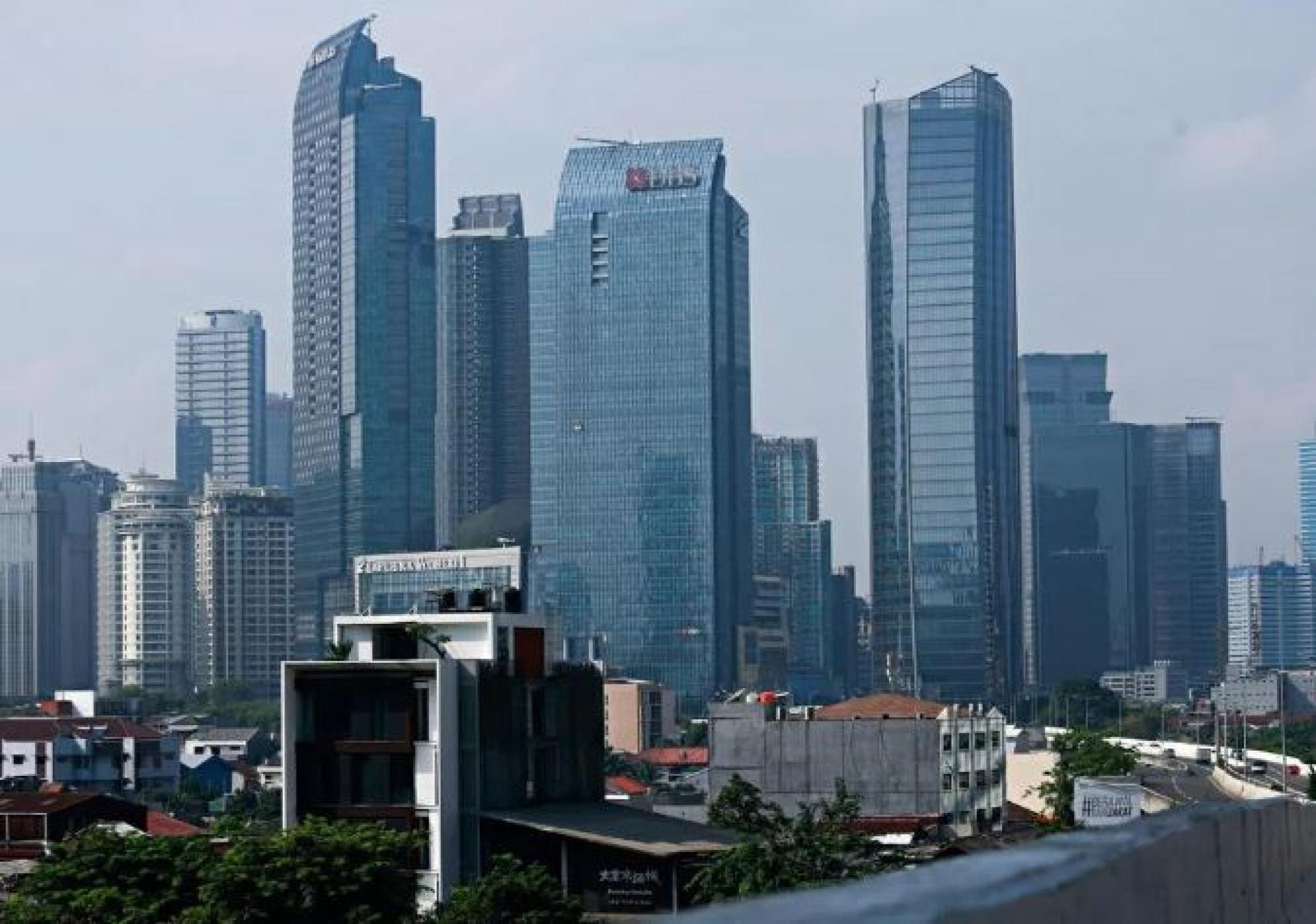
(Jakarta, 21st) — The United Nations recently released its '2025 World Urbanization Prospects' report, listing Indonesia's capital Jakarta as the world's most populous city, with a population nearing 42 million. This figure has sparked controversy, with the Jakarta Special Capital Region government repeatedly clarifying that this is due to a difference in statistical definitions.
Veronika, director of Indonesia's Global Development Research Center, pointed out that the United Nations often adopts the 'metropolitan area' concept for global city comparisons, including Jakarta and the surrounding areas of Bogor, Depok, Tangerang, and Bekasi in the 'Greater Jakarta Metropolitan Area' (Jabodetabek), which enlarges the population figure. By contrast, the number of permanent residents within Jakarta's administrative boundaries is about 12 million, ranking 30th globally.
Jakarta's Special Capital Province Governor Pramono emphasized that the 42 million population cited by the United Nations refers to the metropolitan area, not the administrative city itself. This data better reflects population mobility and urbanization trends, serving as a reference for urban planning and governance, but does not represent official statistics.
Experts point out that the 'most populous' label is not just about rankings, but also signals governance responsibilities. Among the 42 million population, many do not reside within Jakarta's administrative area but instead commute daily across regions for work, study, and life, leading to a mismatch between administrative jurisdiction and actual population burdens.
Against the backdrop of traffic congestion, environmental pollution, and geological subsidence, the Indonesian government has passed a new capital bill and plans to relocate the capital to Nusantara to ease pressure on Greater Jakarta's metropolitan area. Veronika emphasized the core of discussions about Jakarta's population size centers on how to establish cross-regional and cross-level governance mechanisms, rather than simple rankings.
Jakarta's Special Capital Province Governor Pramono emphasized that the 42 million population cited by the United Nations refers to the metropolitan area, not the administrative city itself. This data better reflects population mobility and urbanization trends, serving as a reference for urban planning and governance, but does not represent official statistics.
Experts point out that the 'most populous' label is not just about rankings, but also signals governance responsibilities. Among the 42 million population, many do not reside within Jakarta's administrative area but instead commute daily across regions for work, study, and life, leading to a mismatch between administrative jurisdiction and actual population burdens.
Against the backdrop of traffic congestion, environmental pollution, and geological subsidence, the Indonesian government has passed a new capital bill and plans to relocate the capital to Nusantara to ease pressure on Greater Jakarta's metropolitan area. Veronika emphasized the core of discussions about Jakarta's population size centers on how to establish cross-regional and cross-level governance mechanisms, rather than simple rankings.