(Miri, 8th) The Sarawak government recognizes the Unified Examination Certificate (UEC) of Chinese independent high schools and has long provided funding to support these schools, fully reflecting the enlightened principle of ‘education for education’s sake’ in governance. This not only puts Sarawak ahead of the nation but also demonstrates the government’s respect for a multi-stream education system and its appreciation of talent.
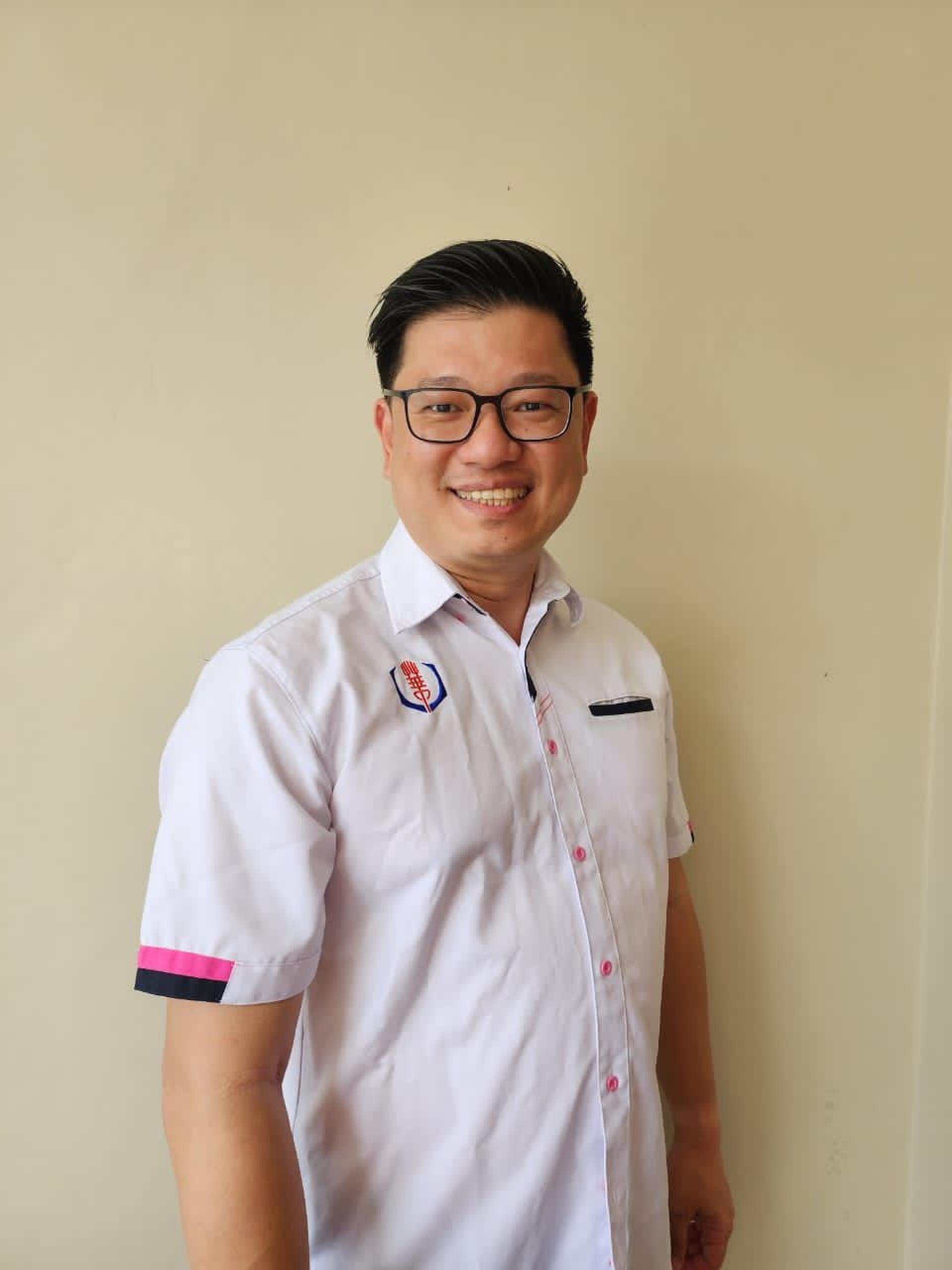
Sarawak United People’s Party (SUPP) Pujut branch executive secretary and Miri City Councillor Fan Hongxiang said in a press statement today that Pujut assemblyman and Miri Mayor Yii Siu Kiong recently awarded scholarships to outstanding UEC students from Pei Min Middle School, which continues the Sarawak government’s long-standing policy of nurturing talent and clearly conveys the government’s recognition of the value of Chinese-language education.
He pointed out that Yii Siu Kiong, in his senior position within SUPP, personally visited the school to reward UEC students, which carries profound meaning. It is a clear declaration to society that any education system cultivating talent for the country and society deserves respect and support.
Fan Hongxiang said that this initiative also continues SUPP’s longstanding support for Chinese independent school education, demonstrating the spirit of diversity and inclusiveness, and regarding Chinese-language education as an indispensable component in a multicultural society.
He noted that since its founding, SUPP has attached great importance to Chinese-language education and has supported the development of Chinese schools through concrete actions. As early as the 1990s, it established the Chinese Charity Trustees Committee’s Chinese Education Fund, which uses part of the rental income from fixed assets to provide sustained financial support and scholarships to Pei Min and Riam Road Middle Schools.
Fan Hongxiang stated that Sarawak’s Chinese-language education system is highly distinctive, especially since many Chinese primary schools adhere to the principle of ‘teaching without discrimination,’ with the number of indigenous students even exceeding that of Chinese students. Students of different ethnicities study, dine, and play on the same campus, naturally integrating without any cultural conflict.
He said the Sarawak government regards a multi-stream education system as an important asset, allocating RM10 million annually to Chinese independent secondary schools. In the context of harmonious ethnic relations and political stability, the recognition of the UEC faces no obstacles from the government.
He added that the Sarawak government has gone further by allowing UEC graduates to apply for civil service positions, admitting them to public universities for free, and allowing them to apply for Sarawak Foundation (Yayasan Sarawak) student loans. This is a concrete affirmation of Chinese language education and investment in human resources. These policies have long been recognized and praised by all sectors of society.
He noted that, by contrast, there is still endless debate in Peninsular Malaysia regarding UEC recognition. Comparatively, the Sarawak government is more open-minded, respects multiculturalism, and is more welcoming and appreciative of talent.
He pointed out that Yii Siu Kiong, in his senior position within SUPP, personally visited the school to reward UEC students, which carries profound meaning. It is a clear declaration to society that any education system cultivating talent for the country and society deserves respect and support.
Fan Hongxiang said that this initiative also continues SUPP’s longstanding support for Chinese independent school education, demonstrating the spirit of diversity and inclusiveness, and regarding Chinese-language education as an indispensable component in a multicultural society.
He noted that since its founding, SUPP has attached great importance to Chinese-language education and has supported the development of Chinese schools through concrete actions. As early as the 1990s, it established the Chinese Charity Trustees Committee’s Chinese Education Fund, which uses part of the rental income from fixed assets to provide sustained financial support and scholarships to Pei Min and Riam Road Middle Schools.
Fan Hongxiang stated that Sarawak’s Chinese-language education system is highly distinctive, especially since many Chinese primary schools adhere to the principle of ‘teaching without discrimination,’ with the number of indigenous students even exceeding that of Chinese students. Students of different ethnicities study, dine, and play on the same campus, naturally integrating without any cultural conflict.
He said the Sarawak government regards a multi-stream education system as an important asset, allocating RM10 million annually to Chinese independent secondary schools. In the context of harmonious ethnic relations and political stability, the recognition of the UEC faces no obstacles from the government.
He added that the Sarawak government has gone further by allowing UEC graduates to apply for civil service positions, admitting them to public universities for free, and allowing them to apply for Sarawak Foundation (Yayasan Sarawak) student loans. This is a concrete affirmation of Chinese language education and investment in human resources. These policies have long been recognized and praised by all sectors of society.
He noted that, by contrast, there is still endless debate in Peninsular Malaysia regarding UEC recognition. Comparatively, the Sarawak government is more open-minded, respects multiculturalism, and is more welcoming and appreciative of talent.