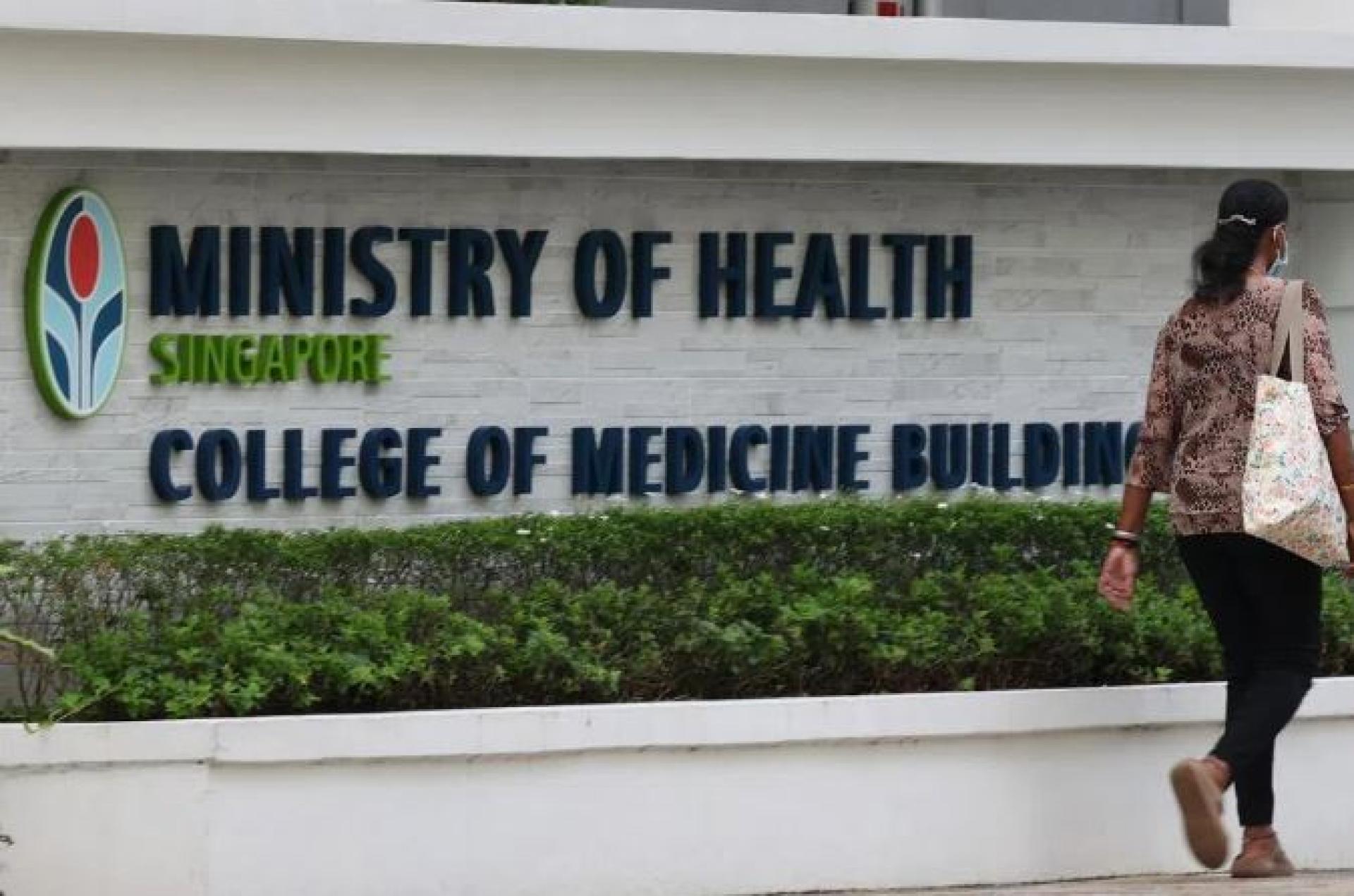
(Singapore, 5th) The Singapore Ministry of Health has announced that, effective immediately, its official Chinese name will be updated to "保健卫生部" (Ministry of Health and Wellness), in order to more accurately reflect the ministry’s current responsibilities and key areas of work. However, its English name, Ministry of Health, will remain unchanged.
Coordinating Minister for Social Policies and Minister for Health Ong Ye Kung announced this renaming decision during the parliamentary Committee of Supply debate on the ministry’s expenditure, stating that the new name takes effect immediately.
He noted that this renaming will not involve any changes to the ministry’s logos, website, or similar elements, and will primarily affect Chinese media reporting in the future. Therefore, the costs involved will be very minimal, but the symbolism is significant.
Ong explained that the addition of the term “保健” (wellness) aims to better reflect the government’s current core policy direction of emphasizing preventive healthcare. He said: “When the name is correct, naturally speech and actions will be proper.”
According to ministry information, adding the word “wellness” demonstrates the government’s focus on promoting population health and strengthening prevention and health promotion; while retaining the word “health” indicates the ministry’s ongoing responsibility in infectious disease control and epidemic response.
The ministry was established in 1955 and was known as the "卫生部" (Ministry of Health) in Chinese at the time. As Singaporean society moves into the stage of super-aging, the challenges faced by public health have also become increasingly complex, including a growing burden of non-communicable chronic diseases.
As a result, the authorities believe that changing the Chinese name will help reflect the ministry’s shifting focus—ensuring pandemic control and medical outcomes, while also placing greater emphasis on extending citizens’ healthy lifespans.
The Ministry of Health and Wellness stated that it will continue to deepen various policy measures in the future to address the challenges brought by population ageing and to promote the overall health of the population, moving towards the goal of being a "super healthy" nation.
He noted that this renaming will not involve any changes to the ministry’s logos, website, or similar elements, and will primarily affect Chinese media reporting in the future. Therefore, the costs involved will be very minimal, but the symbolism is significant.
Ong explained that the addition of the term “保健” (wellness) aims to better reflect the government’s current core policy direction of emphasizing preventive healthcare. He said: “When the name is correct, naturally speech and actions will be proper.”
According to ministry information, adding the word “wellness” demonstrates the government’s focus on promoting population health and strengthening prevention and health promotion; while retaining the word “health” indicates the ministry’s ongoing responsibility in infectious disease control and epidemic response.
The ministry was established in 1955 and was known as the "卫生部" (Ministry of Health) in Chinese at the time. As Singaporean society moves into the stage of super-aging, the challenges faced by public health have also become increasingly complex, including a growing burden of non-communicable chronic diseases.
As a result, the authorities believe that changing the Chinese name will help reflect the ministry’s shifting focus—ensuring pandemic control and medical outcomes, while also placing greater emphasis on extending citizens’ healthy lifespans.
The Ministry of Health and Wellness stated that it will continue to deepen various policy measures in the future to address the challenges brought by population ageing and to promote the overall health of the population, moving towards the goal of being a "super healthy" nation.