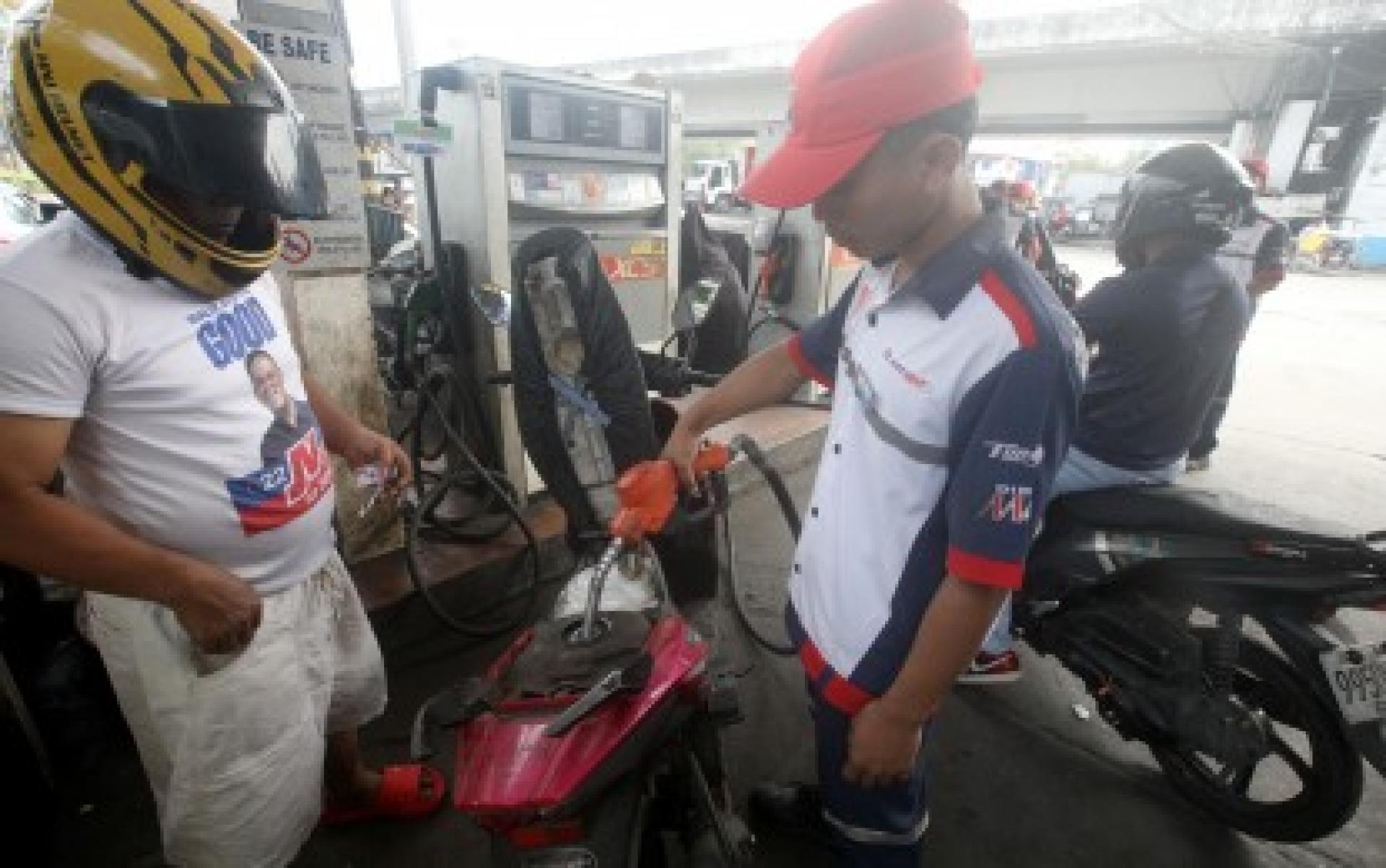
Data released by the Philippine Statistics Authority on Thursday showed that the country's national inflation rate rose to 2.4% in February from 2% in January. The Philippine government stated that despite the acceleration of inflation, the overall situation remains controllable, and authorities are prepared to take measures to address the impact of global oil price fluctuations.
Data shows that the average inflation rate so far this year is 2.2%, which is still within the government's 2026 inflation target range of 2% to 4%.
Philippine Statistics Authority Director Dennis Mapa pointed out at a briefing that last month’s inflation uptick was mainly due to an expanded increase in prices for food and non-alcoholic beverages.
In particular, food inflation accelerated significantly, with a year-on-year increase of 1.6% in February 2026, up from 0.7% in January. The main reason was that the decline in rice prices narrowed, with the drop shrinking from 8.5% in January to 3.4%.
In addition, due to red tide warnings leading to a ban on the sale of shellfish, the price increase for fish rose from 7.3% to 7.7%, further pushing up food prices.
In the non-food sector, inflation was mainly driven by rising house rents and electricity rates. Data shows that the inflation rate for house rents increased from 2.8% to 3%, while inflation for electricity rose from 6.5% to 6.6%.
However, the inflation rate for the information and communications sector dropped from 0.8% in January to 0.7%; the transportation index fell by 0.3% year-on-year, a steeper decline than January's 0.2%.
The Philippine central bank said that although inflation rose in February, the overall inflation outlook remains controllable, with inflation expectations staying stable.
The central bank noted that due to supply-side pressures, its inflation forecast for this year has been slightly revised upward to 3.6%, and it is expected to fall back to 3.2% in 2027, approaching the 3% target level.
The central bank said the Monetary Board will remain vigilant and closely monitor the latest economic data, especially on inflation, and also keep an eye on developments in the Middle East and their potential impact on inflation and economic activity.
On the other hand, Philippine Economic Planning and Development Secretary Arsenio Balisacan stated that the government will take necessary measures to control inflation and cope with the impact of rising international oil prices.
He said that if global oil prices exceed $80 per barrel, the government is considering suspending the collection of excise taxes on petroleum products to ease the burden on the public.
In addition, the government also plans to respond to rising oil prices by reducing fuel consumption, starting with energy-saving measures in government agencies and encouraging private enterprises to cooperate, such as organizing carpooling for employees, providing shuttle bus services, and implementing flexible work arrangements like work-from-home or compressed workweeks.
Balisacan stated that the government will also promote long-term strategies, including developing renewable energy and alternative fuels, promoting green means of transportation, and strengthening energy-saving programs, to reduce dependence on imported oil.
He said that if external shocks intensify, the government is ready to take timely and targeted measures, with a focus on protecting vulnerable households and supporting affected industries, to ensure that the national economy continues to grow amid global uncertainties.
Philippine Statistics Authority Director Dennis Mapa pointed out at a briefing that last month’s inflation uptick was mainly due to an expanded increase in prices for food and non-alcoholic beverages.
In particular, food inflation accelerated significantly, with a year-on-year increase of 1.6% in February 2026, up from 0.7% in January. The main reason was that the decline in rice prices narrowed, with the drop shrinking from 8.5% in January to 3.4%.
In addition, due to red tide warnings leading to a ban on the sale of shellfish, the price increase for fish rose from 7.3% to 7.7%, further pushing up food prices.
In the non-food sector, inflation was mainly driven by rising house rents and electricity rates. Data shows that the inflation rate for house rents increased from 2.8% to 3%, while inflation for electricity rose from 6.5% to 6.6%.
However, the inflation rate for the information and communications sector dropped from 0.8% in January to 0.7%; the transportation index fell by 0.3% year-on-year, a steeper decline than January's 0.2%.
The Philippine central bank said that although inflation rose in February, the overall inflation outlook remains controllable, with inflation expectations staying stable.
The central bank noted that due to supply-side pressures, its inflation forecast for this year has been slightly revised upward to 3.6%, and it is expected to fall back to 3.2% in 2027, approaching the 3% target level.
The central bank said the Monetary Board will remain vigilant and closely monitor the latest economic data, especially on inflation, and also keep an eye on developments in the Middle East and their potential impact on inflation and economic activity.
On the other hand, Philippine Economic Planning and Development Secretary Arsenio Balisacan stated that the government will take necessary measures to control inflation and cope with the impact of rising international oil prices.
He said that if global oil prices exceed $80 per barrel, the government is considering suspending the collection of excise taxes on petroleum products to ease the burden on the public.
In addition, the government also plans to respond to rising oil prices by reducing fuel consumption, starting with energy-saving measures in government agencies and encouraging private enterprises to cooperate, such as organizing carpooling for employees, providing shuttle bus services, and implementing flexible work arrangements like work-from-home or compressed workweeks.
Balisacan stated that the government will also promote long-term strategies, including developing renewable energy and alternative fuels, promoting green means of transportation, and strengthening energy-saving programs, to reduce dependence on imported oil.
He said that if external shocks intensify, the government is ready to take timely and targeted measures, with a focus on protecting vulnerable households and supporting affected industries, to ensure that the national economy continues to grow amid global uncertainties.