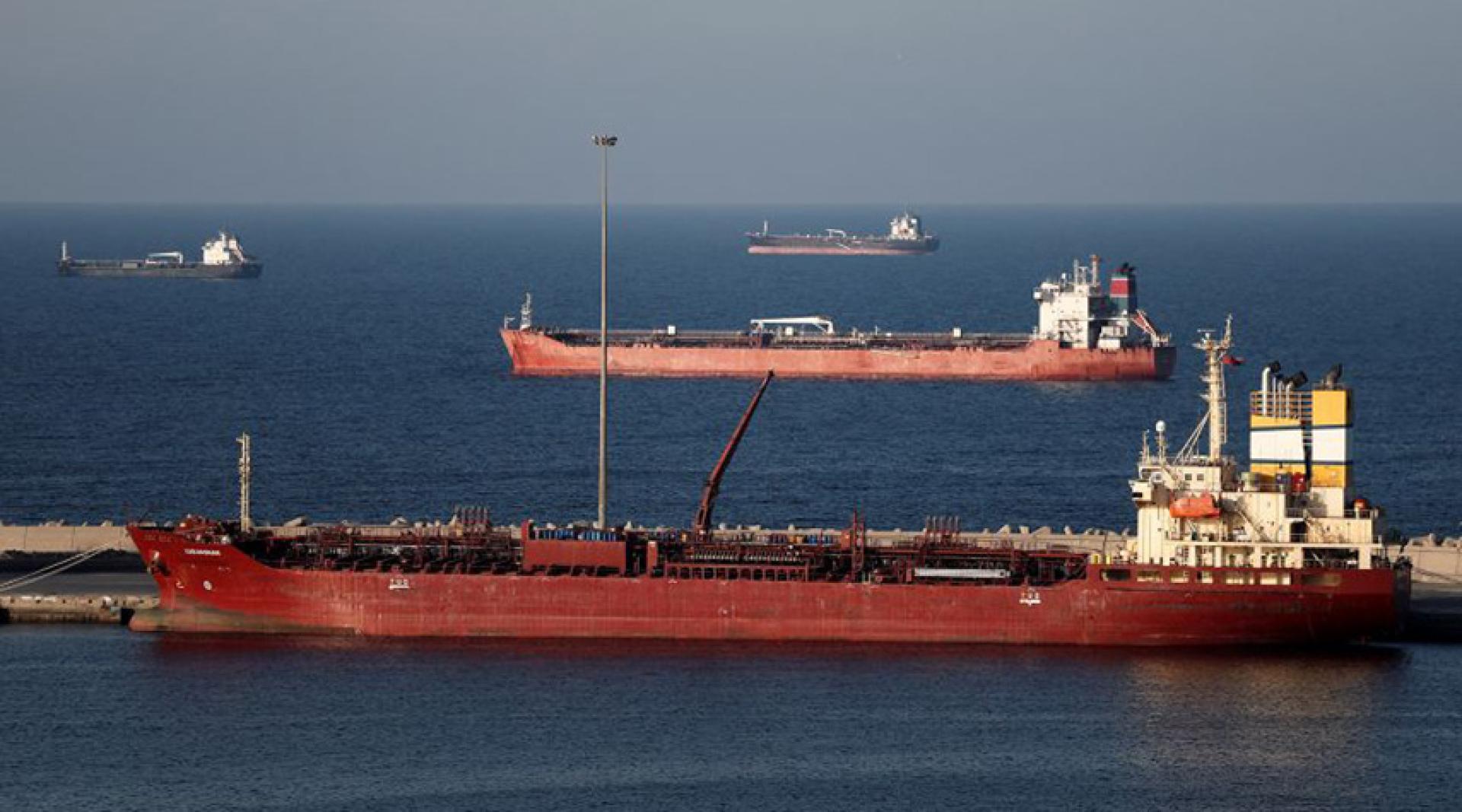
The International Energy Agency stated in its latest monthly oil market report on the 12th that due to ongoing tensions in the Middle East, the global oil market is facing the most severe supply disruption in history. If shipping cannot be restored quickly, the global crude oil supply shortfall will further widen.
The report pointed out that the volume of crude oil and petroleum products transported through the Strait of Hormuz has plummeted from about 20 million barrels per day before the US and Israeli military strikes on Iran to currently "extremely low levels." With limited alternative shipping capacity to bypass the key strait and storage facilities nearing full capacity, Gulf countries have already reduced total daily crude oil output by at least 10 million barrels.
The report estimates that in March, global daily crude oil supply will plummet by about 8 million barrels.
The report says that US and Israeli military strikes on Iran have had a significant impact on global refined oil markets, with over 3 million barrels per day of refining capacity in the Middle East already shut down. Due to insufficient feedstock supply, refining in other regions will also gradually become constrained.
The report shows that since the US and Israeli attack on Iran, international oil prices have fluctuated violently. London Brent crude oil futures prices once soared to nearly $120 per barrel (about 471 ringgit).
In this context, on the 11th, IEA member countries unanimously agreed to release 400 million barrels of strategic oil reserves to alleviate global supply tensions. Data show that as of January, total global crude oil and refined oil inventories reached 8.21 billion barrels, the highest level since February 2021.
The report points out that releasing oil reserves is only a temporary solution. The ultimate impact of US and Israeli military operations against Iran on oil and gas markets and the overall economy depends not only on the intensity of military action and the extent of damage to energy facilities, but more crucially on how long shipping through the Strait of Hormuz remains disrupted.