Abolishing the Teacher Training Management System: Fadhlina - Reducing Teachers’ Burden
Published atDec 14, 2025 01:39 pm
(Kuala Lumpur, 14th) Education Minister Fadhlina stated that the Ministry of Education has decided to abolish the Teacher Training Management System (SPLKPM) in order to reduce teachers’ burden.
She said that the ministry has launched a series of intervention measures, reviewing shortcomings to reduce teachers’ workload. Previously, the ministry announced adjustments to the Student Character Management System (SSDM), and abolishing SPLKPM will likewise have a direct impact on teachers’ welfare and workload.
She emphasized that this is the ministry’s ongoing commitment, and whenever measures that could reduce teachers’ burden are found, the ministry will seriously evaluate and thoroughly consider the impact of these measures on teachers.
She pointed out that SPLKPM has always been one of the systems frequently discussed and questioned among teachers, with some hoping they would no longer be constrained by matters that may disrupt teaching.
“As I’ve mentioned before, we hope teachers can fully devote themselves to the classroom next year, focusing on the new curriculum and new development blueprint. Therefore, we have decided to abolish SPLKPM, to continuously boost teachers’ confidence, and this is also a part of our ongoing efforts to reduce their burden.”
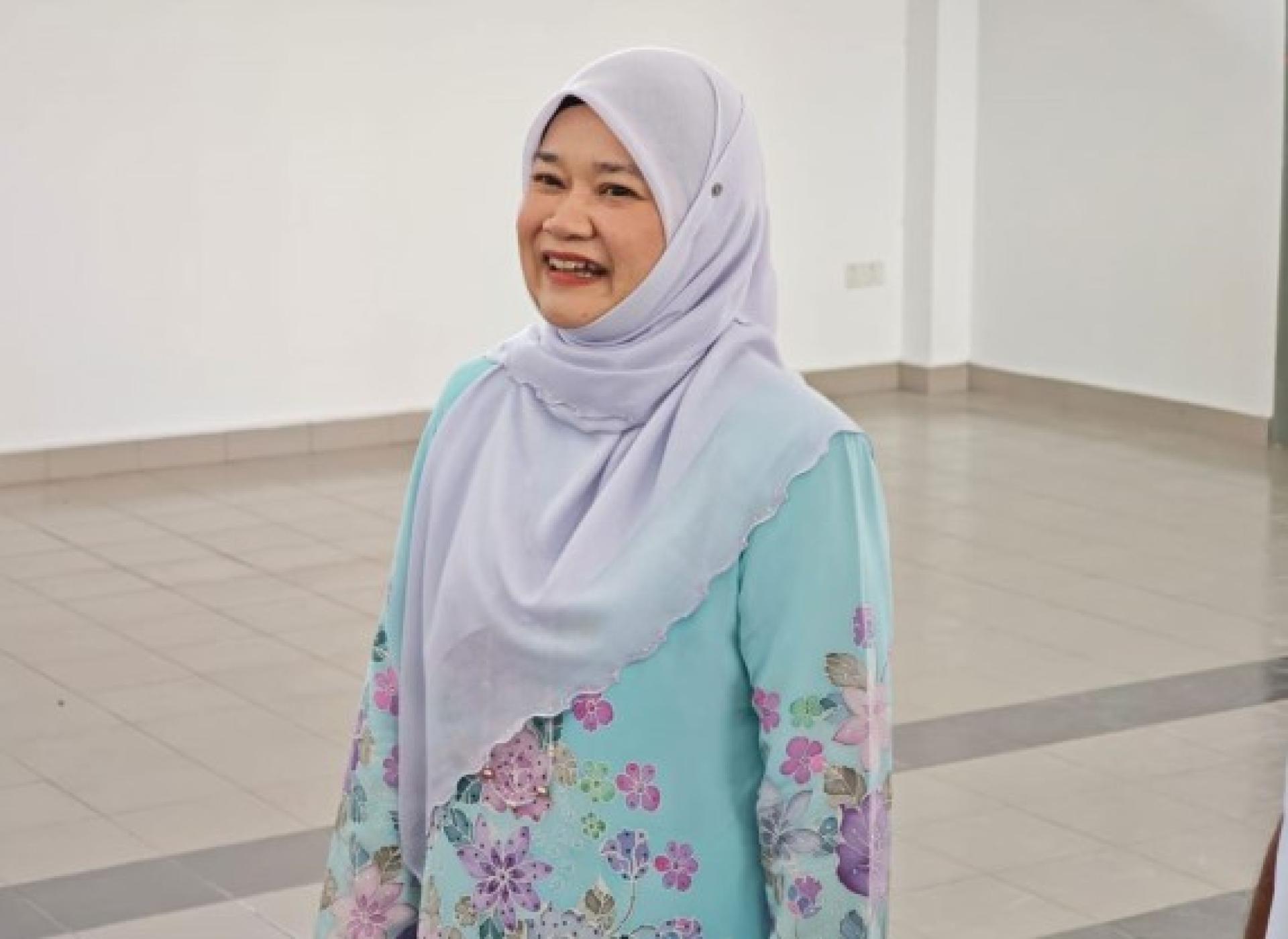
She said this at a press conference after attending a ceremony on Sunday (14th), where the Public Works Department handed over the Seberang Perai Tengah Sheikh Tahir Jalaruddin Religious Secondary School building to the Ministry of Education. 法丽娜。Fadhlina said that the Ministry of Education has released a performance report showcasing the results of reforms over the past three years. Among the most important is the gradual resolution of the nationwide teacher shortage, ensuring that vacancies are continuously filled each year and the shortage is gradually resolved.
“The second is the issue of dilapidated schools. This is one of the ministry’s ongoing efforts and one of the major achievements in our cooperation with the Public Works Department, making sure that the problem of run-down schools, including those in Sabah, Sarawak, and all regions nationwide, is gradually being solved.”
“We have also tabled the bill making it compulsory for students to complete secondary education, which has been passed by Parliament. This demonstrates that all parties stand with us to ensure compulsory lower secondary education becomes an important national responsibility.”
She said other achievements include the book voucher scheme, teacher college allowances, and the K9 and K11 school projects to address dropout issues, which have increased from the initial 8 schools to 30 at present.
Fadhlina said the Industrialized Building System (IBS) modular classroom initiative, carried out in cooperation with the Public Works Department, has made smooth progress since its launch in May this year, with 100% completion of projects.
“This type of construction is a game changer in the field of educational infrastructure, as projects can be finished within a few months.”
She said there are 127 projects nationwide, with Selangor accounting for 70 of them. In solving the issue of overcrowded schools and classes, this is currently one of the most effective methods. Next year, we will ensure all new classrooms are in operation at the start of the new school year. This initiative is an important reform by the Ministry of Education in infrastructure and development.
Regarding the ten recommendations from the Malacca state government to improve student conduct—including withdrawing educational aid from students involved in bullying and other misconduct and implementing appropriate physical punishment (caning)—Fadhlina said the ministry will study and evaluate these proposals carefully.
She thanked the Malacca state government as well as all who have offered valuable suggestions to the ministry, helping it to continually improve.
She pointed out that the ministry has recently launched an initiative called “PAKAT” focusing on preschool education. It brings together parents, parent-teacher associations and the community, providing parents with more space to participate in school affairs and encouraging parents and the community to jointly give input and support to schools.
“Let’s PAKAT (walk together), drive the national education agenda together, and fully participate in school development.”
Among those present was Datuk Balammurugan, Director of the Educational Engineering Division of the Public Works Department.
This article has been translated using our AI technology. While we strive for accuracy,
AI translations
may contain errors. For the most precise information, please refer to the original article.
移交学校钥匙给法丽娜。-fhd.jpg)