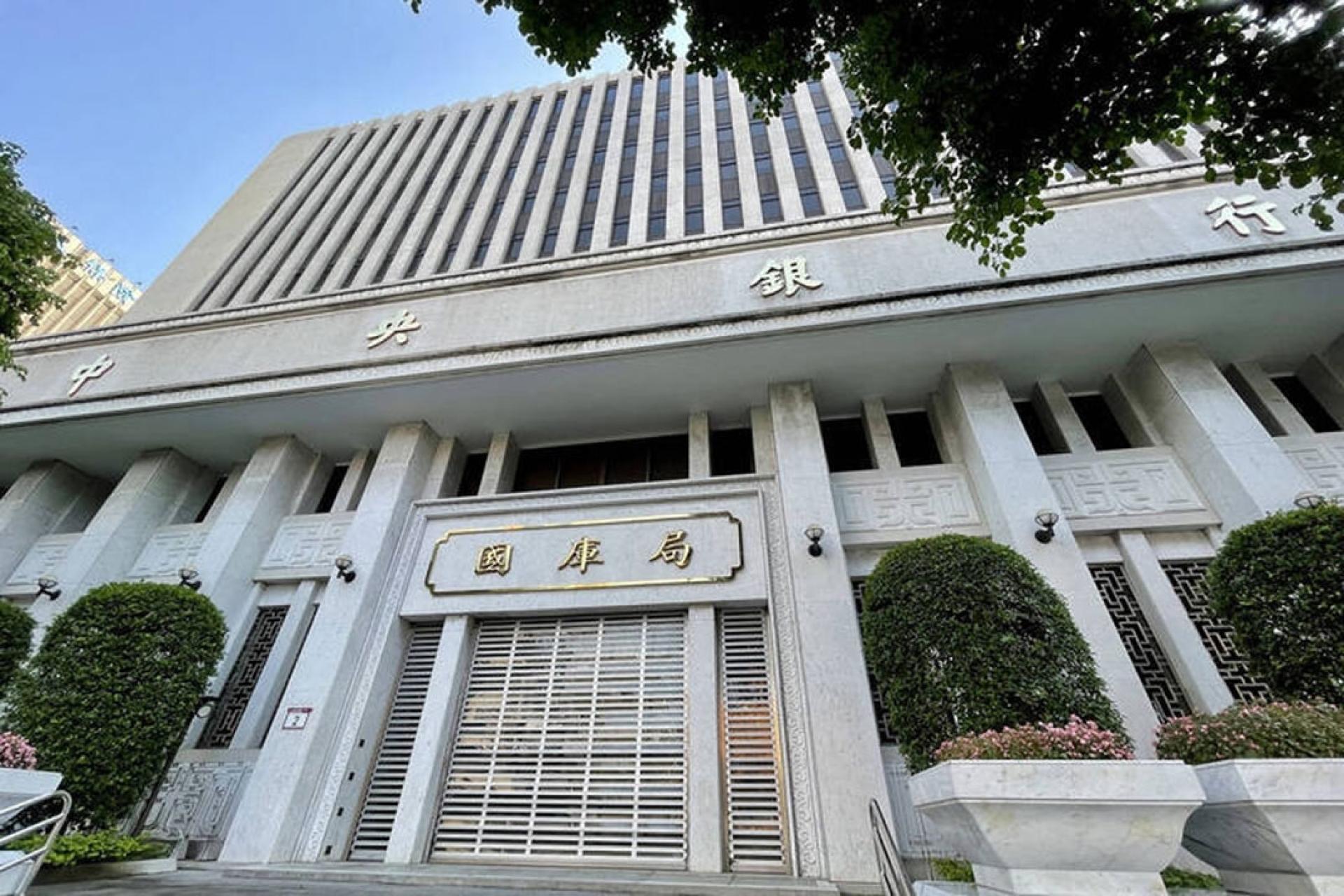
The Middle East conflict has triggered foreign capital outflows, causing Taiwan's foreign exchange reserves to fall sharply by $8.601 billion (34.701 billion ringgit) in March, marking the largest single-month decrease since the European debt crisis in 2011. The Central Bank of Taiwan intervened in the market to sell foreign currency in order to prevent the depreciation of the Taiwan dollar.
According to a news release from Taiwan's Central Bank, as of the end of March, foreign exchange reserves fell to $596.886 billion (2.4 trillion ringgit), the lowest level since May 2025. The news release pointed out that other factors affecting foreign exchange reserves include investment returns and the exchange rate fluctuations of major currencies against the US dollar.
Bloomberg quoted Tsai Chung-Min, Director General of the Foreign Exchange Department of Taiwan's Central Bank, at a press conference as saying that intervening to maintain order in the foreign exchange market was the primary reason for the decrease in forex reserves, while exporters had also sold a significant amount of US dollars. He emphasized, "The effective exchange rate has only dropped by 1%" and that the Taiwan dollar remains stable.
The United States and Israel launched airstrikes on Iran at the end of February, and since the conflict has not ended, there has been a massive withdrawal of foreign capital from Taiwanese stocks.
Taiwan's foreign exchange reserves, which have long tended to grow steadily, have rarely experienced such a significant decrease, reflecting the Central Bank's repeated interventions to stabilize the foreign exchange market. According to Bloomberg data, the Taiwan dollar's performance so far this year ranks mid-tier among major Asian currencies.
According to data from the Taiwan Stock Exchange, foreign investors sold a net NT$968.2 billion (122.268 billion ringgit) in Taiwanese equities in March, the largest figure since Bloomberg began keeping records. Under tremendous pressure from capital outflows, the New Taiwan dollar has also depreciated significantly by 2.28%, but thanks to exporters selling foreign currency and Central Bank intervention, it has temporarily held the NT$32 level.
Central Bank Governor Yang Chin-Long has recently stated repeatedly that the Bank is closely monitoring the foreign exchange market and will maintain exchange rate stability to prevent imported inflation. As for foreign capital, although the outflows are large and concentrated, they are still controllable, and the Central Bank is also intervening to stabilize the New Taiwan dollar.