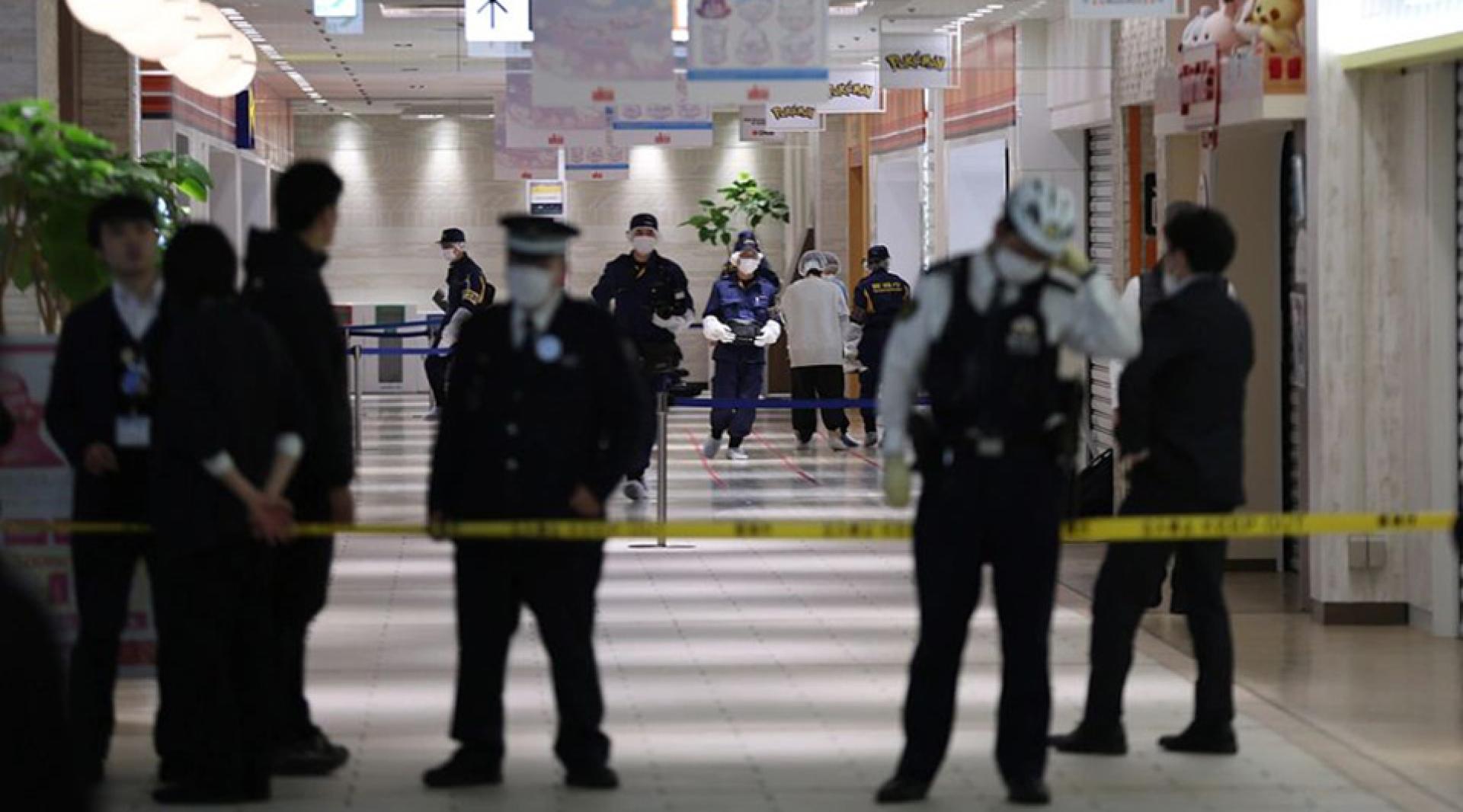
On Thursday evening, at the Pokémon-themed store on the 2nd floor of the Sunshine City commercial complex in Tokyo’s Ikebukuro, a man injured a female store clerk with a knife before turning the knife on himself; both died after failed rescue efforts. On the 27th, Xiang Haoyu, a distinguished research fellow at the Asia-Pacific Institute of the China Institute of International Studies, analyzed in an interview with Global Times reporters that in recent years, extreme violent incidents have occurred frequently in Japan, with social attitudes showing an overall rightward shift. When the adverse results of such ideological extremism manifest as indiscriminate violence against civilians, it reflects a dangerous social situation characterized by increasing division and a lack of spiritual outlet.
Japan News Network reported on February 12th, citing police data, that the number of criminal case reports in 2025 reached about 774,000, marking the fourth consecutive year of growth and surpassing the pre-COVID-19 level of 2019.
A public security questionnaire survey conducted by the National Police Agency last October showed that 79.7% of respondents believe that "public security in Japan has worsened over the past ten years," an increase of 3.1 percentage points from 2024. Since related statistical surveys began in 2021, the security situation in Japan has continued to deteriorate. This survey targeted men and women aged 15 and older nationwide, with 5,000 valid responses collected.
In addition, Japan’s Yomiuri Shimbun published on the 25th a nationwide public opinion survey jointly conducted with the Japan Institute of International Affairs. When asked what kind of country Japan should strive to become, 62% of respondents said it should become "a country with world-class public security," ranking first among the options.