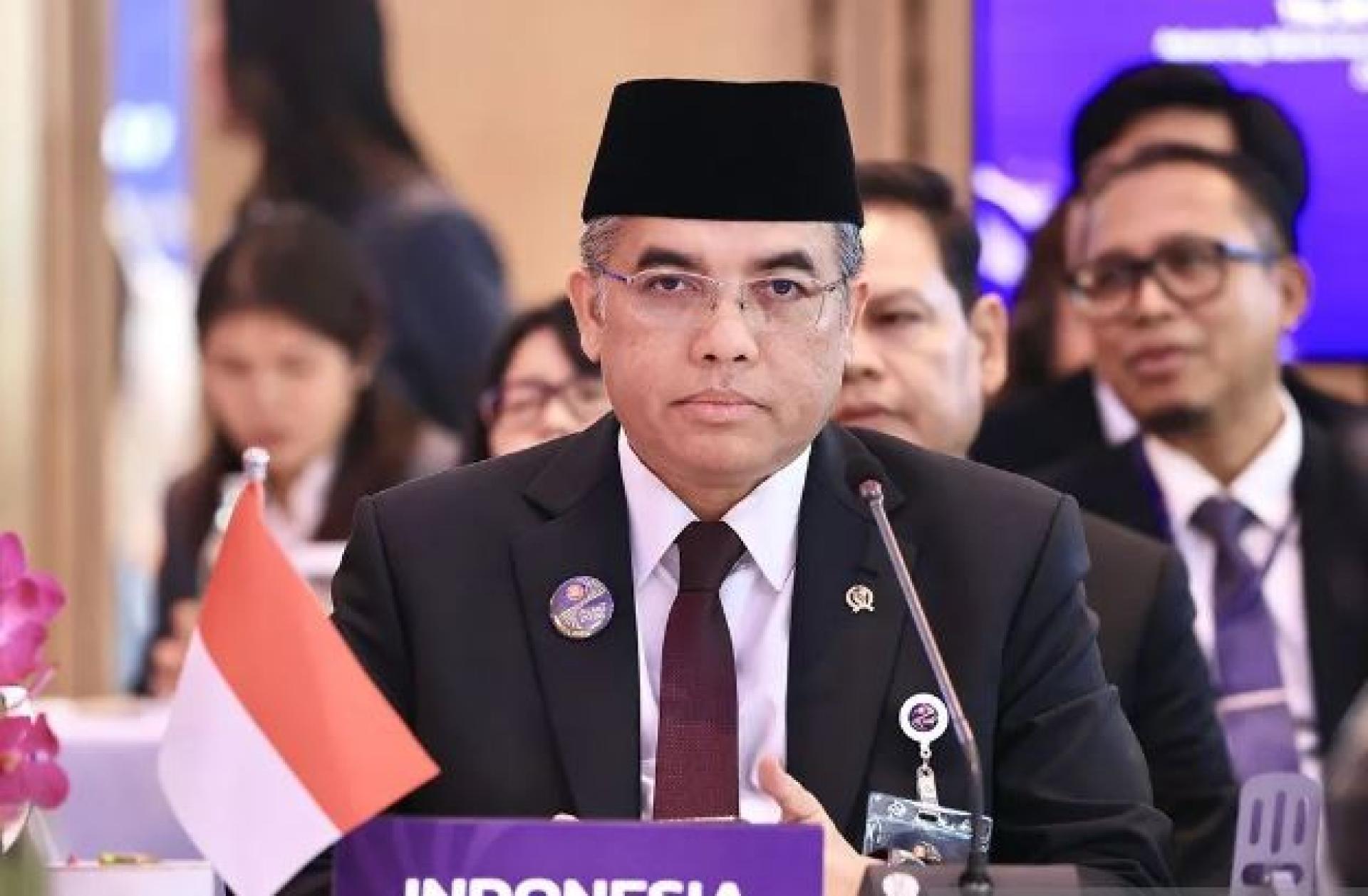
Indonesian Minister of Manpower, Yaqut Cholil Qoumas, stated that Indonesia proposes ASEAN to accelerate and expand the mutual recognition mechanism for skills and competencies in order to increase opportunities for regional technical talent mobility.
He said that a more comprehensive skills recognition mechanism will help employers across ASEAN better understand and trust the professional abilities of expatriate technical personnel, while also improving the match between technical talent and regional labor market needs.
In a statement on Friday, Yaqut noted that as artificial intelligence, digitalization, green transition, and changes in population structure continue to affect the job market, ASEAN should further broaden the scope of skills recognition.
He stated that although individual countries have different national conditions, the challenges brought by automation, artificial intelligence, and demographic changes are common issues faced by all ASEAN countries. Therefore, human resource development should become a shared regional priority.
"Indonesia believes that now is the time for ASEAN to accelerate the agenda of skills recognition and gradually expand it to more professions and skill sectors."
He pointed out that with the continuous emergence of new professional skills across industries, a more extensive skills recognition mechanism will help qualified technical personnel find job opportunities while at the same time strengthening confidence among all parties in their professional capabilities.
Yaqut believes that a more refined ASEAN skills recognition system can also further enhance the credibility of regional skills and professional competence beyond Southeast Asia, promoting more widespread international recognition of relevant qualifications.
He said that ASEAN+3 partners such as China, Japan, and South Korea can also play an important role. Their experience in skills training, vocational standards, professional certification, and industry involvement can assist ASEAN in further advancing the skills recognition agenda.
He stated that the experience of these countries can further strengthen the connection between ASEAN's skills training system and the ever-changing needs of the regional industries.
"For Indonesia, expanding mutual recognition of skills can create more opportunities for ASEAN technical personnel, facilitate a more effective match between talent and labor market demand, and reinforce their contribution to increasing productivity and promoting sustainable economic development."