(Kuching, 1st) Malaysia is ramping up its efforts to ensure the resilience of its tourism industry in response to the ever-changing global landscape by focusing on high-growth markets and enhancing premium and Muslim-friendly tourism products.
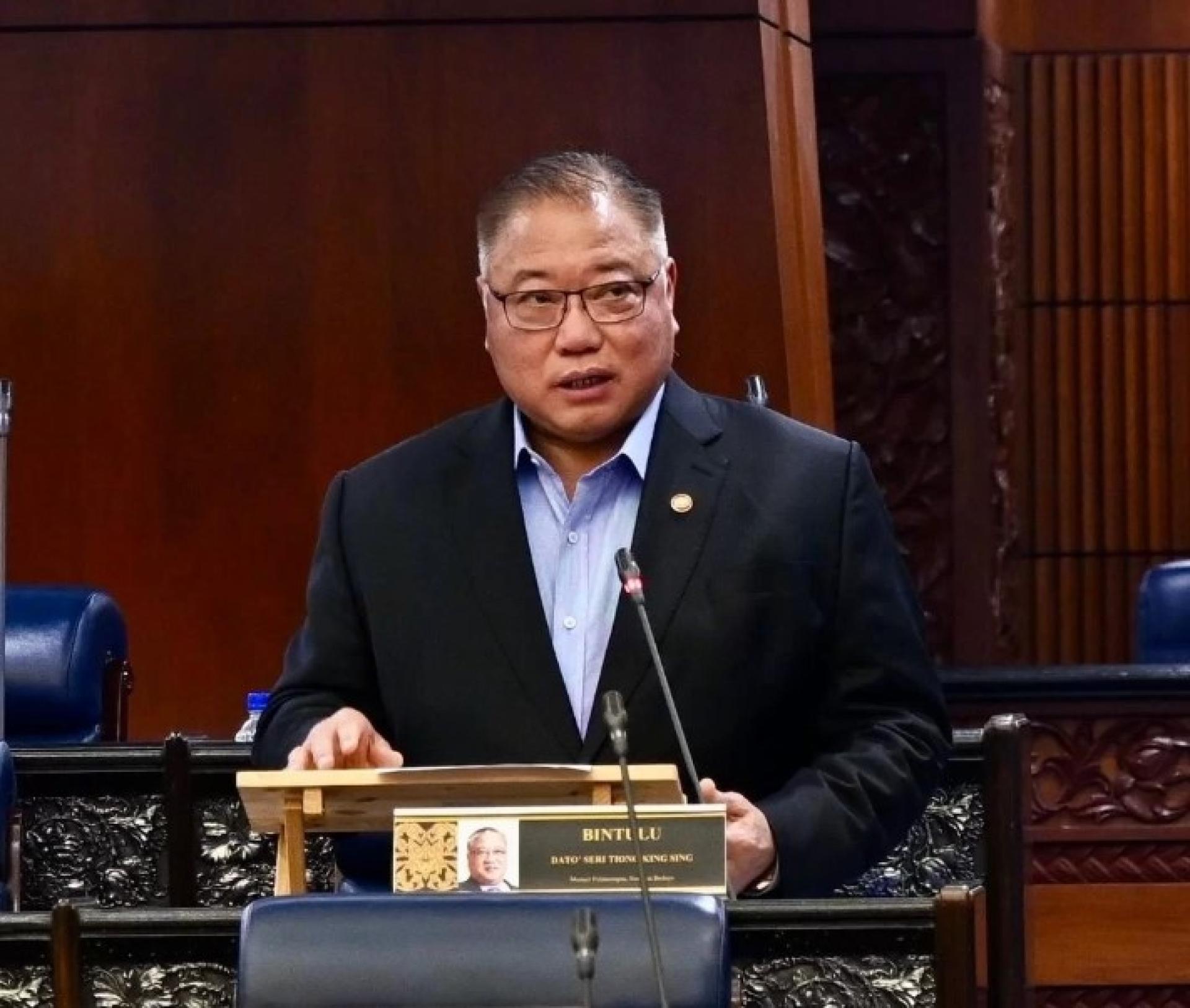
Minister of Tourism, Arts and Culture, Dato’ Seri Tiong King Sing, stated that the Ministry is adopting more targeted and proactive strategies to ensure the stability and continued growth of the tourism economy.
In a statement published on Facebook, he said: “Given the current situation, we will strategically concentrate on high-performing and stable markets, especially those in ASEAN and the Asia region.”
He noted that key markets include China, Indonesia, Thailand, Japan, South Korea, India, Bangladesh, and Vietnam. At the same time, Malaysia will continue to expand into emerging and distant markets such as Kazakhstan, Uzbekistan, Turkmenistan, Russia, France, Germany, Australia, Timor Leste, Ukraine, Denmark, Switzerland, Turkey, and Poland to ensure market diversification and long-term resilience.
Tiong added that the Ministry is closely monitoring trends in air ticket prices, flight frequency, and overall air connectivity. Tourism Malaysia has been instructed to provide daily reports on international arrivals and market dynamics to support timely, data-driven decision-making.
“All Tourism Malaysia officers, including those stationed overseas, are also required to continuously provide real-time updates, market insights, and strategic recommendations,” he said. This integrated approach will enable Malaysia to swiftly respond to global changes while maintaining the stability of its tourism sector.
He pointed out that Malaysia is also enhancing its value chain by focusing on high-value and upscale tourism markets, with an emphasis on improving service quality, revenue, and overall economic contribution, rather than relying solely on the number of visitors.
“We will continue to reinforce our global leadership in Muslim-friendly tourism, which remains a key competitive advantage,” he said. These efforts include strengthening the halal ecosystem, enhancing standards for Muslim-friendly accommodations, and positioning Malaysia as the top destination for Muslim travelers worldwide.
Addressing industry concerns, Tiong stated that the Ministry will continue to work closely with all stakeholders to address operational challenges such as rising fuel and diesel costs.
He also encouraged the industry to provide detailed data and feedback, especially in comparing cost structures before and after the current situation, to support more effective policy responses.
Meanwhile, he called on all parties to act responsibly and avoid spreading misleading information, rumors, or unfounded narratives that could undermine public confidence.
“The current situation stems from unprecedented global disruptions due to ongoing geopolitical conflicts, with a scale and impact far greater than any previous single market condition.” He emphasized that the present circumstances should not be simply compared with the past, as this could distort public understanding and affect economic confidence.
“Malaysia must never allow speculation or politically driven narratives to undermine economic confidence. Our primary task is clear—to ensure stability, strengthen resilience, and sustain the continued growth of both tourism and the broader economy.”
Minister of Tourism, Arts and Culture, Dato’ Seri Tiong King Sing, stated that the Ministry is adopting more targeted and proactive strategies to ensure the stability and continued growth of the tourism economy.
In a statement published on Facebook, he said: “Given the current situation, we will strategically concentrate on high-performing and stable markets, especially those in ASEAN and the Asia region.”
He noted that key markets include China, Indonesia, Thailand, Japan, South Korea, India, Bangladesh, and Vietnam. At the same time, Malaysia will continue to expand into emerging and distant markets such as Kazakhstan, Uzbekistan, Turkmenistan, Russia, France, Germany, Australia, Timor Leste, Ukraine, Denmark, Switzerland, Turkey, and Poland to ensure market diversification and long-term resilience.
“All Tourism Malaysia officers, including those stationed overseas, are also required to continuously provide real-time updates, market insights, and strategic recommendations,” he said. This integrated approach will enable Malaysia to swiftly respond to global changes while maintaining the stability of its tourism sector.
He pointed out that Malaysia is also enhancing its value chain by focusing on high-value and upscale tourism markets, with an emphasis on improving service quality, revenue, and overall economic contribution, rather than relying solely on the number of visitors.
“We will continue to reinforce our global leadership in Muslim-friendly tourism, which remains a key competitive advantage,” he said. These efforts include strengthening the halal ecosystem, enhancing standards for Muslim-friendly accommodations, and positioning Malaysia as the top destination for Muslim travelers worldwide.
Addressing industry concerns, Tiong stated that the Ministry will continue to work closely with all stakeholders to address operational challenges such as rising fuel and diesel costs.
He also encouraged the industry to provide detailed data and feedback, especially in comparing cost structures before and after the current situation, to support more effective policy responses.
Meanwhile, he called on all parties to act responsibly and avoid spreading misleading information, rumors, or unfounded narratives that could undermine public confidence.
“The current situation stems from unprecedented global disruptions due to ongoing geopolitical conflicts, with a scale and impact far greater than any previous single market condition.” He emphasized that the present circumstances should not be simply compared with the past, as this could distort public understanding and affect economic confidence.
“Malaysia must never allow speculation or politically driven narratives to undermine economic confidence. Our primary task is clear—to ensure stability, strengthen resilience, and sustain the continued growth of both tourism and the broader economy.”