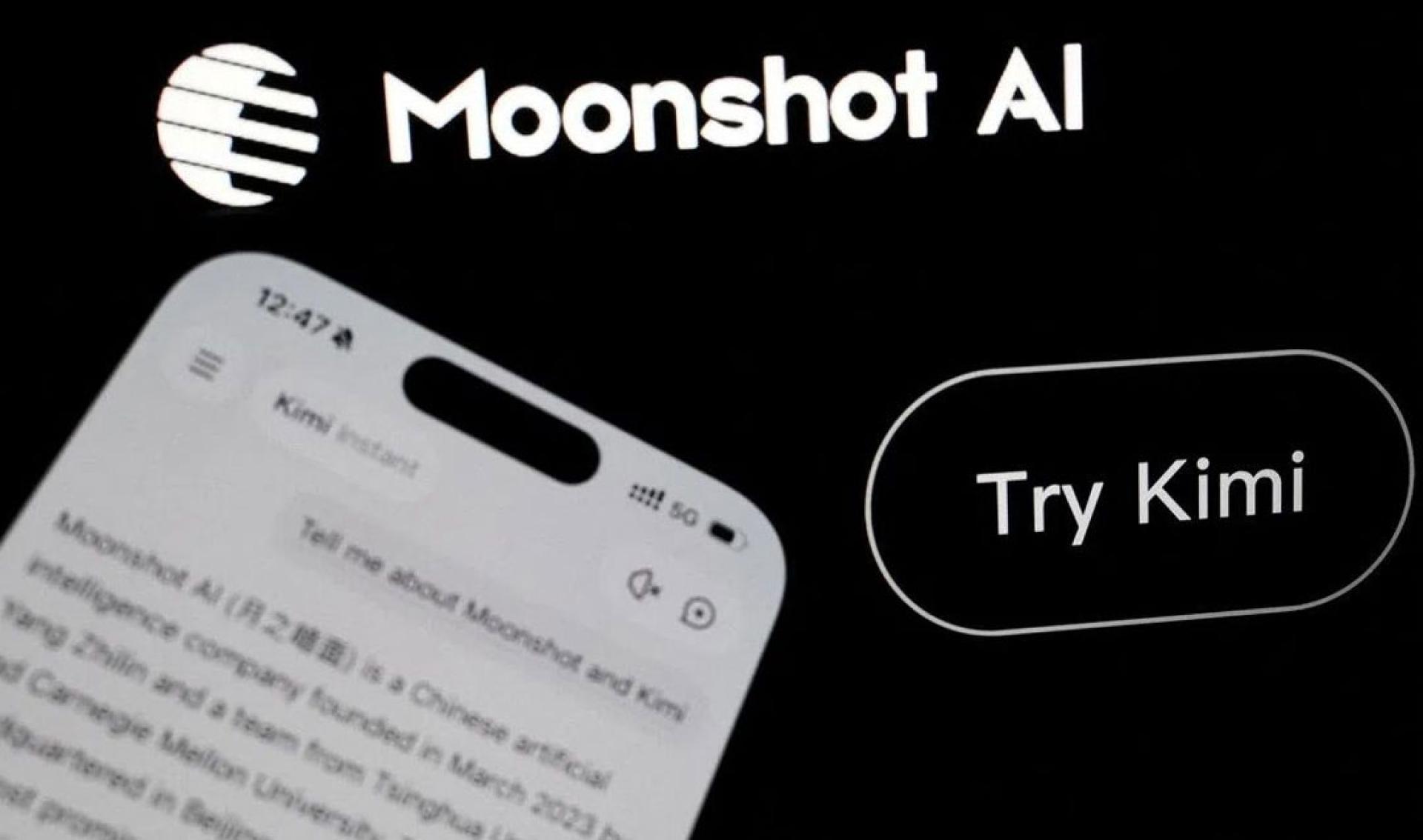
China's state media has published an article stating that China’s technology industry is crossing visible boundaries in batches, indicating that China is beginning to define new products, new demands, and new industry directions for the world.
On Monday, 'Yuyuantantan', a new media outlet under China’s CCTV News, posted on Weibo that China’s artificial intelligence (AI) development has entered the stage of competing for application ecosystems. For example, in the past July, Moonshot AI’s Kimi K3 and DeepSeek V4-Flash were released one after another, and China’s advanced robotics equipment has become a focal point of attention in the international community. U.S. biopharmaceutical company Pfizer has also reached a collaboration with China’s Innovent Biologics on 12 early-stage and first-in-class innovative oncology R&D projects.
Discussing why China has been able to consecutively enter the global market and the ‘visible line’ of international media in the above fields, the article points out that the development of new industries relies on years of accumulation in China; China’s technology industry cannot only possess manufacturing capabilities, but must also master core technologies and industrial ecosystems. China is no longer a predetermined market, but is beginning to define new industries, new demands, and new industry directions.
Yuyuantantan believes that the capabilities accumulated by China’s new energy vehicle industry in batteries, motors, and electronic controls are transferring to robotics; behind artificial intelligence lie connections to chips, servers, and communication networks; and innovation in pharmaceuticals is also built upon the long-term accumulation in the chemical industry, clinical resources, and production processes. This shows that China’s industrial system is moving from 'complete' to 'dense', and capabilities accumulated in one industry can rapidly migrate to another.
The article also states that technology determines whether an industry can continue advancing, application scenarios determine whether the technology can withstand real-world testing, and the ecosystem determines whether a technical breakthrough can be transformed into a long-term operational system. These are capabilities required for China’s technology industry to keep progressing.
The article concludes that in the past, the world first decided what it needed and then determined which Chinese industries would be first noticed. China could only be narrated and defined. Now, this relationship is beginning to change. China's technological advances are themselves starting to lead global demand and, in turn, impact global markets. Industrial capabilities such as technology R&D, product testing, and supply chain construction are beginning to influence the international market’s judgment and choices.