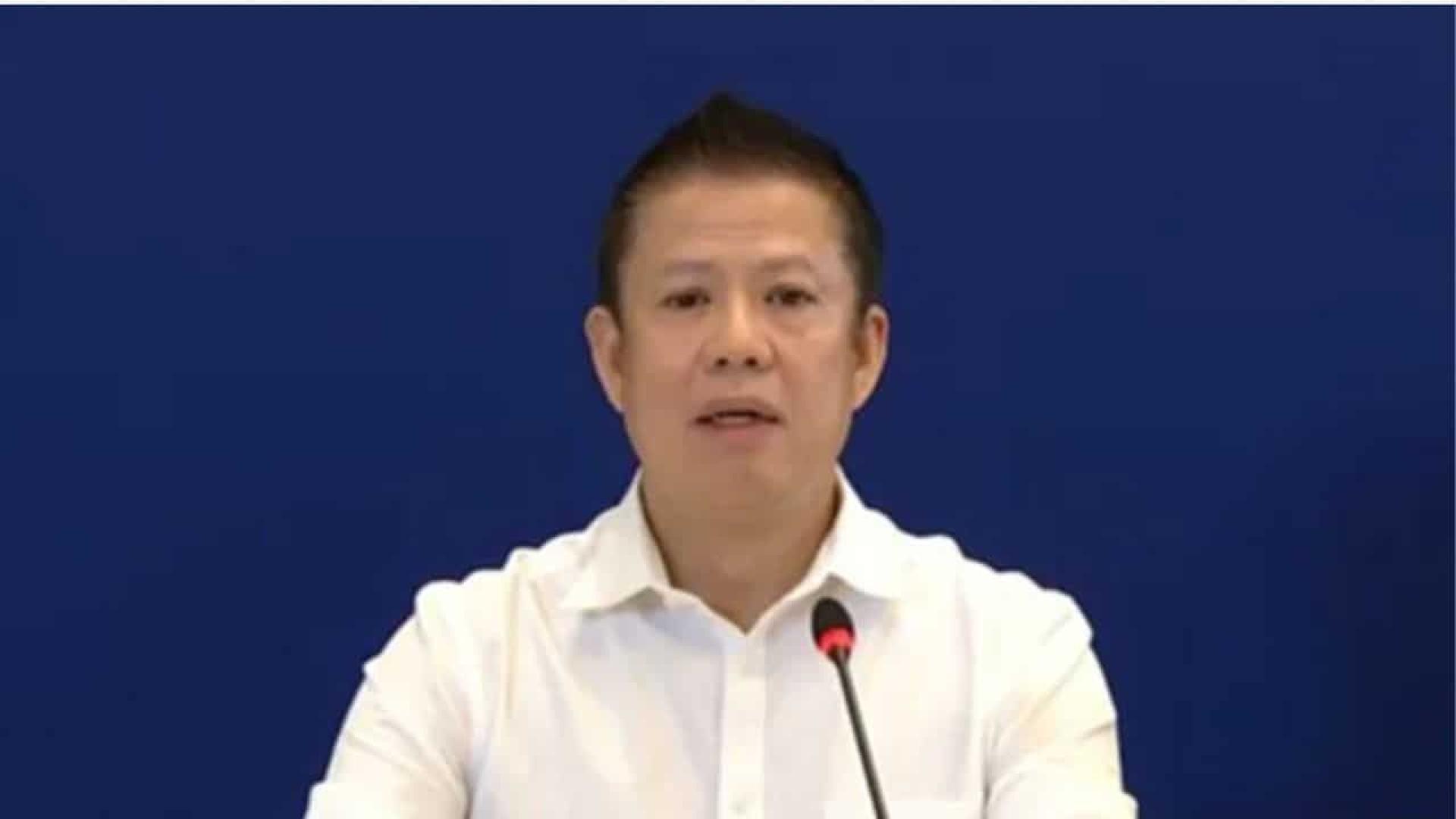
Director-General of Thailand's Department of Energy Business, Sarawut, stated that despite recent supply interruptions at some gas stations, Thailand's fuel supply remains ample, and urged the public that there is no need to hoard fuel.
According to Thai media reports, Sarawut, at a press conference on Tuesday (17th), began by publicly apologizing to the Thai people for the confusion outside gas stations and issues with fuel distribution.
He stated that Thailand has six refineries, with a total refining capacity of 175 million liters per day, and emphasized that all refineries are still operating normally. He pointed out that the main issue lies in bottlenecks in the distribution of fuel from refineries to gas stations.
He explained that, under normal circumstances, refineries sell fuel to large traders, and sometimes also via intermediaries known as agents.
He stated that the recent situation has caused some deliveries to intermediaries not to proceed as planned. Intermediaries usually supply fuel to the industrial sector; when this portion of fuel cannot be delivered as usual, more customers turn to retail gas stations, thereby increasing pressure on the stations.
According to reports, the Ministry of Energy has received instructions from the Prime Minister and Deputy Prime Minister, requiring close coordination with all refineries to ensure production is not interrupted.
He added that authorities have asked major traders to supply to medium-sized customers, to help disperse fuel distribution to channels outside of gas stations.
Sarawut stated that the Ministry of Energy is also coordinating with the Royal Thai Police, Ministry of Transport, Ministry of Interior, and Bangkok Metropolitan Administration to extend the delivery time window, thereby allowing more fuel to be transported to gas stations.
He added that the Ministry of Energy will work with the Ministry of Interior and the Ministry of Commerce to prevent hoarding.

In the past three to four days, authorities have stepped up inspections. On March 13, officials inspected upstream inventories in 23 provinces (covering 53 oil depots and 589 storage tanks), and subsequently inspected 1,502 gas stations on March 15 and 16.
Sarawut revealed that about 150 gas stations were forced to close as they had run out of fuel, 1,039 were still operating but awaiting some product deliveries, and another 306 had sufficient fuel supply.
Officials found no evidence of hoarding at the temporarily closed gas stations and said the shortages were real.
Sarawut urged the public to continue their normal lives, stating there is no need to hoard, while also appealing for cooperation in conserving fuel.
When asked about purchasing oil from Russia, he stated that Thailand had used Russian oil before 2022 and is currently considering how to continue doing so without violating sanctions.
According to MGR Online, he also mentioned that demand at gas stations has surged sharply, with daily consumption reaching 90 million liters and sometimes even 120 million liters, which he said exceeds Thailand's domestic refining capacity.
He emphasized that a return to normal demand would help stabilize the situation, while refining capacity remains sufficient.
In addition, a rescue foundation leader in Chiang Mai called on gas stations to relax the limit of a maximum of 500 baht per vehicle per day for purchasing fuel, warning that the restriction is affecting national emergency medical rescue operations.