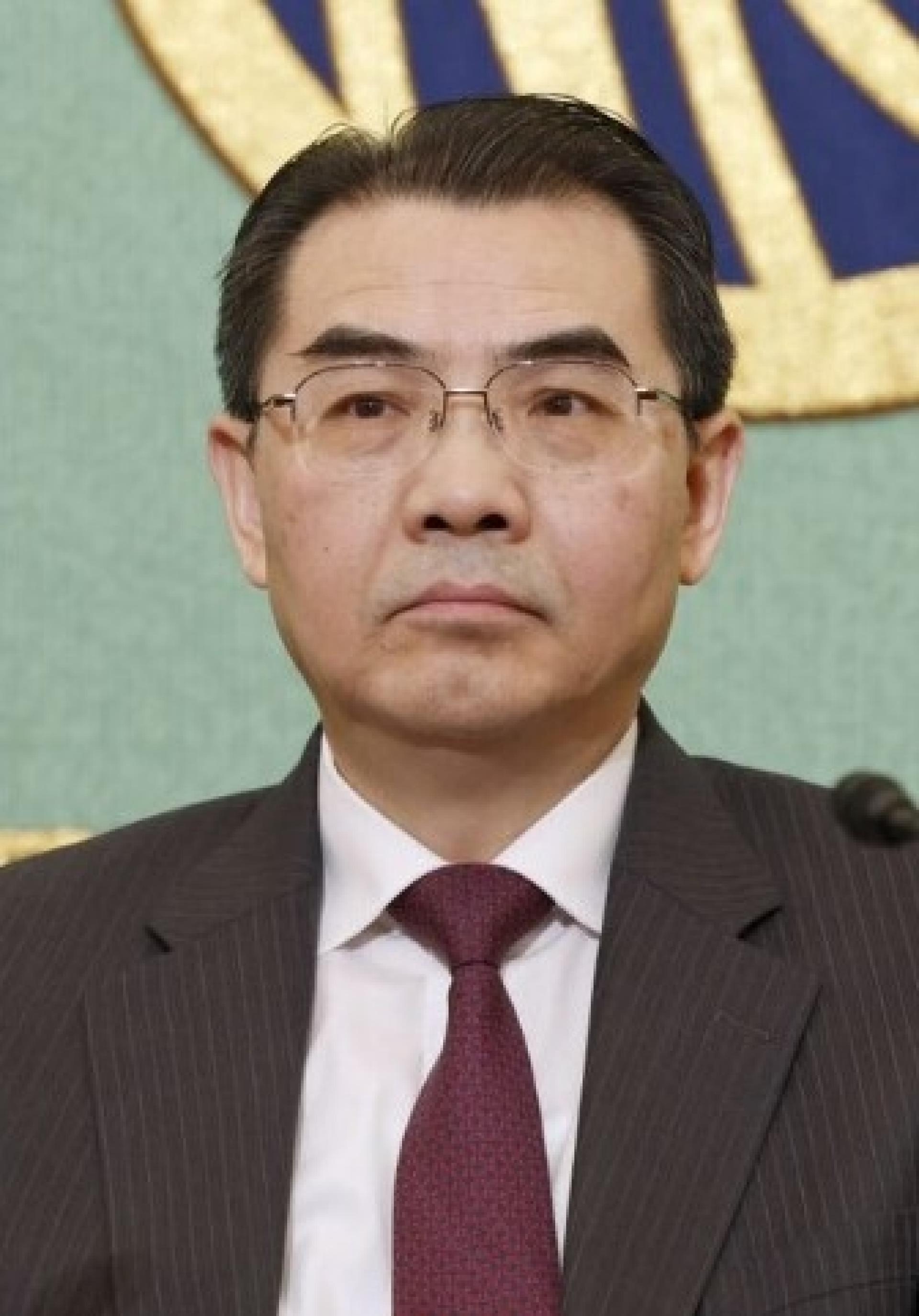
Sino-Japanese relations have entered a tense phase following Japanese Prime Minister Sanae Takaichi’s remarks regarding a 'Taiwan contingency,' with tensions escalating over the past two weeks. On Sunday (November 30), Chinese Ambassador to Japan Wu Jianghao wrote in a commentary published by Chinese state media People’s Daily that stable development of China-Japan relations can only be established on a solid political foundation. The only correct action for the Japanese side at present is to adhere strictly to the political commitments it has reiterated for decades and immediately withdraw its wrong and absurd statements. Any form of sophistry or quibbling is self-deception. Any attempt to muddle through will not succeed.
The article states that, on the occasion of the 80th anniversary of the Chinese People’s War of Resistance Against Japanese Aggression and World Anti-Fascist War, a current Japanese leader has brazenly made provocative statements regarding Taiwan, uttered threats of force and war, and so far refuses to admit fault or retract the statements. This, the article says, seriously undermines international law and the fundamental norms of international relations, seriously damages the postwar international order, and gravely harms the political foundation of Sino-Japanese relations.
The article points out that Taiwan has been an inalienable part of China's territory since ancient times. Adhering to the One China principle is a political commitment that Japan must strictly fulfill and an international legal obligation it cannot shirk. The Taiwan issue is China’s internal affair, and the One China principle is a broadly recognized international consensus, as authoritatively affirmed in United Nations General Assembly Resolution 2758. How the Taiwan issue is resolved and how national reunification is achieved are matters for the Chinese people themselves and brooks no outside interference. No country would tolerate its internal affairs being rudely interfered with by the leader of another country; no country would tolerate a foreign leader issuing threats of force against it.
The article continues that today’s China is no longer what it was in the past. The resolve and capability of the Chinese government and people to safeguard national sovereignty and territorial integrity are as firm as a rock and unstoppable. Any attempt to turn back the clock of history, intervene militarily in the Taiwan Strait, or split Taiwan from China will be met with a head-on counterattack.
The article concludes that stable development of China-Japan relations can only be established on a solid political foundation. The destructive actions initiated unilaterally by current Japanese leaders are misjudging the situation, going against the tide, and crashing into a brick wall. The only correct action for the Japanese side at present is to adhere to its decades-long political commitments, stop undermining the postwar international order, immediately withdraw wrong and absurd remarks, and admit and correct mistakes through concrete actions. Any form of sophistry or quibbling is self-deception. Any attempt to muddle through will not succeed. Any escalation of errors will only lead to even more serious consequences.
Sanae Takaichi stated on November 21 that Japan’s intention to advance a mutually beneficial strategic relationship with China remains unchanged and that the government’s stance on existential crisis situations is consistent.
Chinese Foreign Ministry spokesperson Mao Ning responded at a regular press conference on November 24, asking: What exactly does the Japanese side’s so-called 'consistent stance' entail? Can Japan clearly and fully outline this 'consistent stance?' If the Japanese side only repeatedly stresses that its stance has not changed without clarifying specifics and continues to cross lines in practice, then such reiterations are empty statements, serving only to blur and hollow out its position on One China.