KUCHING: Rising global tensions and increasing oil prices could pose challenges for the upcoming hajj season, potentially affecting travel and logistics costs.
Deputy Prime Minister Datuk Amar Fadillah Yusof said crises in the Middle East often trigger increases in oil prices, insurance and logistics costs, including air and sea transportation.
Fadillah, who is also Petra Jaya MP, said this could eventually influence the price of goods and services.
“These developments will not only affect imported goods but may also impact domestic travel costs, including flights between Sabah and Sarawak, as fuel surcharges could be imposed on both domestic and international flights,” he said.
He noted that such developments require careful preparation and prudent spending among the public.
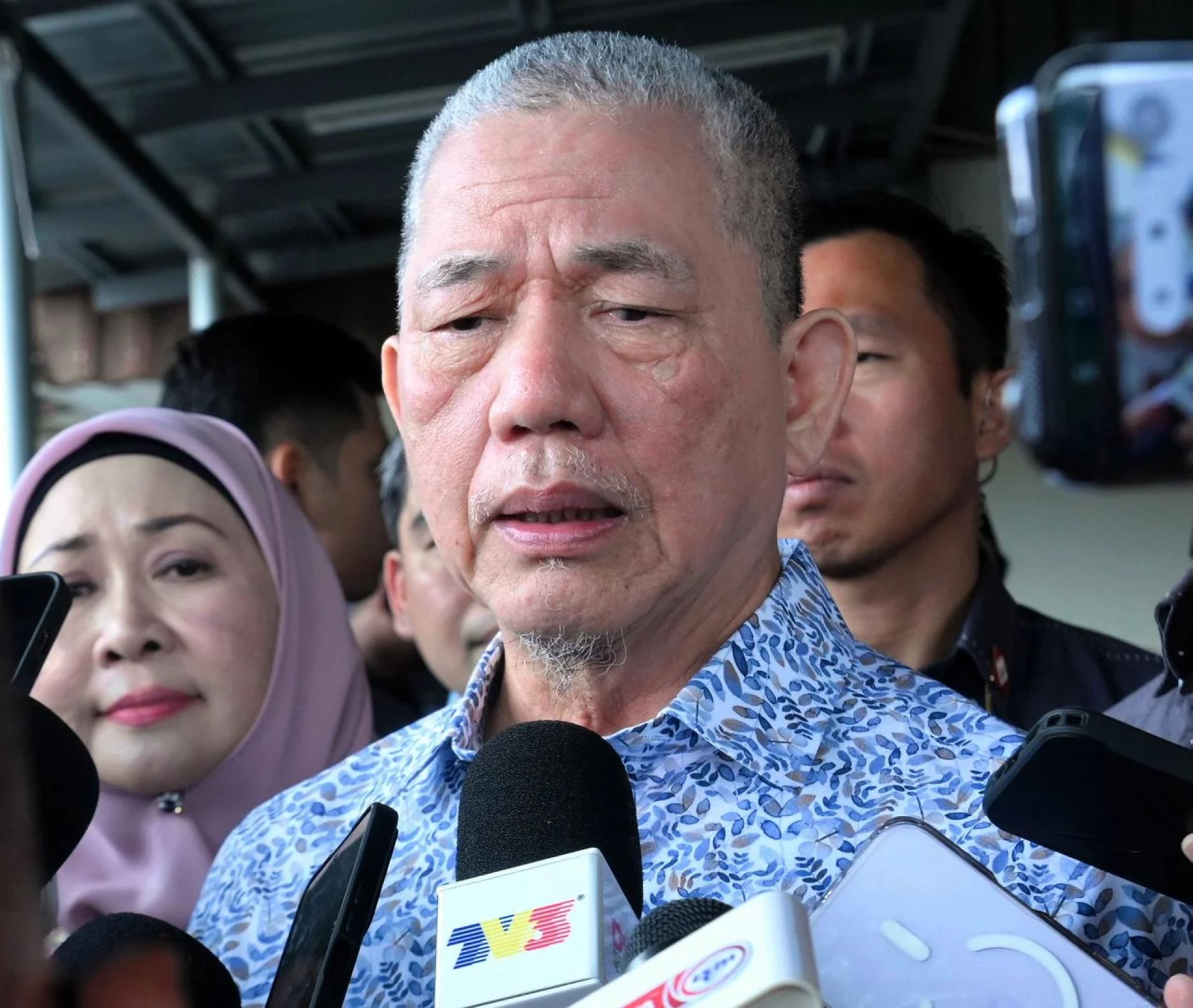
“It is important to practise saving and spend wisely, including using energy efficiently. If we can reduce energy consumption, we can lower the burning of gas and oil and help sustain our reserves longer,” he told reporters at the ‘Sumbangsih Santunan Kasih Seindah Syawal’ Programme here today (March 14).
He added that the government is closely monitoring developments ahead of the upcoming hajj season amid the ongoing global conflicts.
According to him, Tabung Haji is currently holding discussions with airlines to ensure the cost of hajj flights does not significantly affect Malaysian pilgrims.
“The matter is being discussed with the airlines. Any decision regarding the cost of hajj flights will be announced by Tabung Haji or the Minister in the Prime Minister’s Department (Religious Affairs),” he said.
Fadillah acknowledged that there remains a possibility that the cost of performing the hajj could increase if the regional conflict becomes prolonged.
“At this point, we cannot fully determine the impact because it depends on how the situation develops. However, the government is taking precautionary steps and monitoring the matter closely,” he added.
Fadillah, who is also Petra Jaya MP, said this could eventually influence the price of goods and services.
“These developments will not only affect imported goods but may also impact domestic travel costs, including flights between Sabah and Sarawak, as fuel surcharges could be imposed on both domestic and international flights,” he said.
He noted that such developments require careful preparation and prudent spending among the public.
“It is important to practise saving and spend wisely, including using energy efficiently. If we can reduce energy consumption, we can lower the burning of gas and oil and help sustain our reserves longer,” he told reporters at the ‘Sumbangsih Santunan Kasih Seindah Syawal’ Programme here today (March 14).
He added that the government is closely monitoring developments ahead of the upcoming hajj season amid the ongoing global conflicts.
According to him, Tabung Haji is currently holding discussions with airlines to ensure the cost of hajj flights does not significantly affect Malaysian pilgrims.
“The matter is being discussed with the airlines. Any decision regarding the cost of hajj flights will be announced by Tabung Haji or the Minister in the Prime Minister’s Department (Religious Affairs),” he said.
Fadillah acknowledged that there remains a possibility that the cost of performing the hajj could increase if the regional conflict becomes prolonged.
“At this point, we cannot fully determine the impact because it depends on how the situation develops. However, the government is taking precautionary steps and monitoring the matter closely,” he added.