KUCHING: The major alternative road projects that are being planned and implemented in Bau are expected to bring far-reaching impact to Bau Town and its surrounding areas.
Upon completion, these roads will not only improve connectivity and shorten travelling time but also boost tourism, economic activities and property development.
Among the key infrastructure developments is the upgrading of the Bau-Lundu junction to Bau town dual carriageway, a 3.65-kilometre road project costing about RM74 million.
The project, which links the Pan Borneo Highway directly to Bau Town, is expected to significantly improve traffic flow while providing faster and safer access for residents and visitors travelling to the town.
Another important initiative is the proposed Wind Cave-Suba Buan alternative road, which will connect Kampung Suba Buan and Kampung Suba Bandar with Bau Town.
Costing around RM55 million, the project includes the construction of a new bridge and is aimed at providing a safer route for villagers, especially during the monsoon season when the existing access road is often affected by flooding.
In addition, a new road connecting the Musi and Buso areas is expected to further strengthen access between rural settlements and the main road network leading to Bau and Kuching.
The project, valued at about RM73 million, will create another alternative route into Bau while opening up the surrounding areas for housing, agriculture and economic activities.
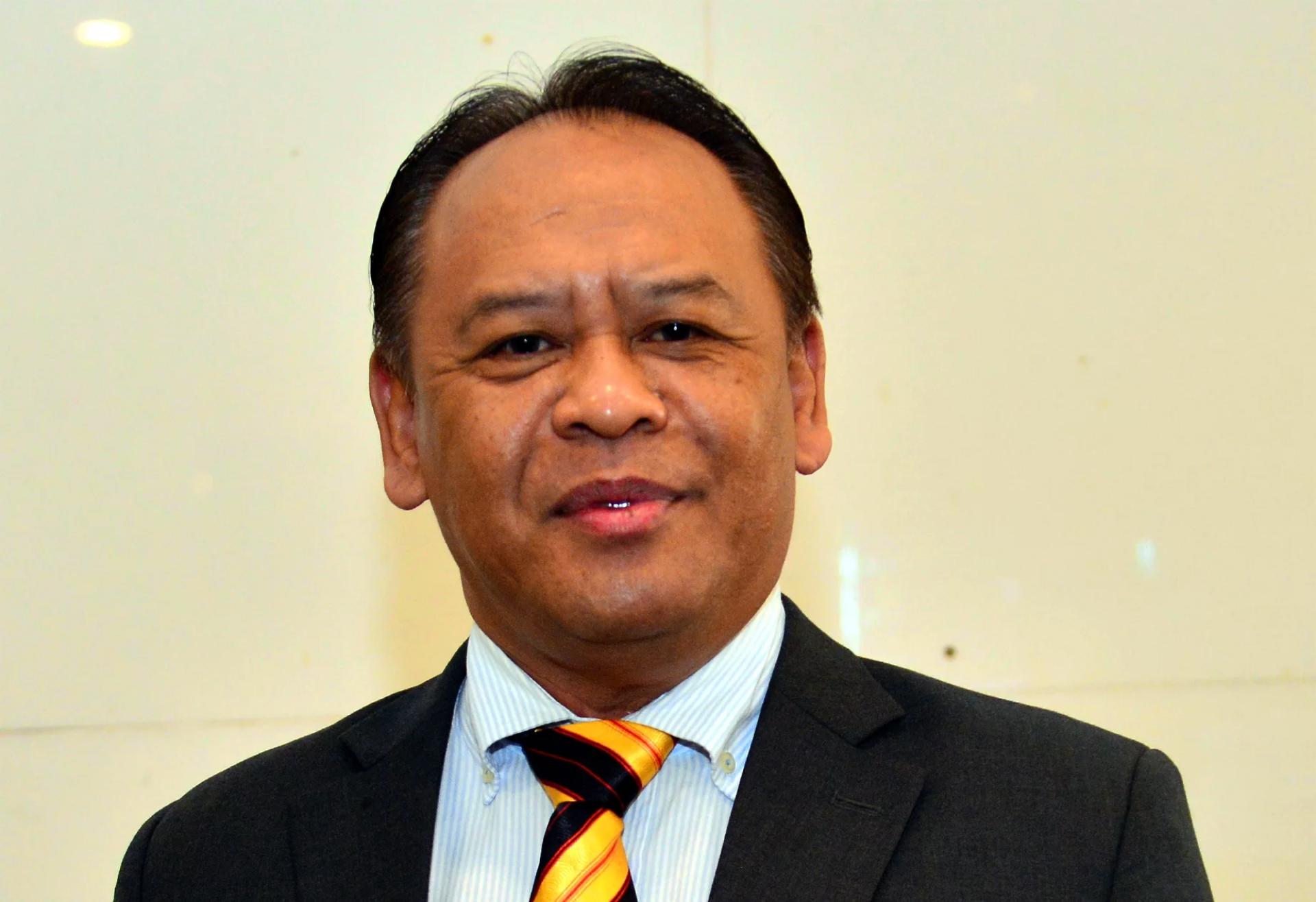
Tasik Biru assemblyman, Datuk Henry Harry Jinep, said the improved road network is expected to attract more visitors to Bau, especially as the district continues to gain recognition as a tourism destination rich in history, culture and nature.
“Better road connectivity will make it easier for people to visit Bau and explore its attractions. This will eventually create more business opportunities for the local community,” he said.
Among the popular attractions expected to benefit from the improved accessibility are the iconic Tasik Biru that had been transformed into Tasik Biru Resort City, the limestone formations of Wind Cave and Fairy Cave.
These sites have long drawn both local and foreign visitors, but easier access is expected to further increase tourist arrivals.
Henry, who is Deputy Minister for Transport (Riverine and Marine), said improved infrastructure will also inevitably spur economic activities in Bau Town and the surrounding areas, particularly in the tourism, hospitality and retail sectors.
“With better roads, more people will come to Bau. When visitors arrive, they will spend on food, accommodation and local products, which will benefit traders and entrepreneurs,” he added.
He stressed that the improved accessibility is also expected to stimulate township growth and increase demand for residential and commercial properties in Bau town and nearby areas.
“As connectivity improves, Bau will become a more attractive place for people to live, invest and do business. This will gradually boost the township and residential developments in the district,” he said.
Henry said infrastructure development remains a priority for the Tasik Biru constituency, noting that improved road networks will help transform Bau into a more vibrant district while ensuring that rural communities are not left behind in the state’s development agenda.
He noted that the road projects also reflect the Sarawak Government’s commitment to ensuring balanced development, particularly in districts with strong tourism and economic potential like Bau.
“With the completion of alternative roads, including the Tondong-Sibuku road, and the proposed new highway from Batu Kitang to Bau, we will see the greater impact they bring to Bau,” he concluded.
Among the key infrastructure developments is the upgrading of the Bau-Lundu junction to Bau town dual carriageway, a 3.65-kilometre road project costing about RM74 million.
The project, which links the Pan Borneo Highway directly to Bau Town, is expected to significantly improve traffic flow while providing faster and safer access for residents and visitors travelling to the town.
Another important initiative is the proposed Wind Cave-Suba Buan alternative road, which will connect Kampung Suba Buan and Kampung Suba Bandar with Bau Town.
Costing around RM55 million, the project includes the construction of a new bridge and is aimed at providing a safer route for villagers, especially during the monsoon season when the existing access road is often affected by flooding.
In addition, a new road connecting the Musi and Buso areas is expected to further strengthen access between rural settlements and the main road network leading to Bau and Kuching.
The project, valued at about RM73 million, will create another alternative route into Bau while opening up the surrounding areas for housing, agriculture and economic activities.
Tasik Biru assemblyman, Datuk Henry Harry Jinep, said the improved road network is expected to attract more visitors to Bau, especially as the district continues to gain recognition as a tourism destination rich in history, culture and nature.
“Better road connectivity will make it easier for people to visit Bau and explore its attractions. This will eventually create more business opportunities for the local community,” he said.
Among the popular attractions expected to benefit from the improved accessibility are the iconic Tasik Biru that had been transformed into Tasik Biru Resort City, the limestone formations of Wind Cave and Fairy Cave.
These sites have long drawn both local and foreign visitors, but easier access is expected to further increase tourist arrivals.
Henry, who is Deputy Minister for Transport (Riverine and Marine), said improved infrastructure will also inevitably spur economic activities in Bau Town and the surrounding areas, particularly in the tourism, hospitality and retail sectors.
“With better roads, more people will come to Bau. When visitors arrive, they will spend on food, accommodation and local products, which will benefit traders and entrepreneurs,” he added.
He stressed that the improved accessibility is also expected to stimulate township growth and increase demand for residential and commercial properties in Bau town and nearby areas.
“As connectivity improves, Bau will become a more attractive place for people to live, invest and do business. This will gradually boost the township and residential developments in the district,” he said.
Henry said infrastructure development remains a priority for the Tasik Biru constituency, noting that improved road networks will help transform Bau into a more vibrant district while ensuring that rural communities are not left behind in the state’s development agenda.
He noted that the road projects also reflect the Sarawak Government’s commitment to ensuring balanced development, particularly in districts with strong tourism and economic potential like Bau.
“With the completion of alternative roads, including the Tondong-Sibuku road, and the proposed new highway from Batu Kitang to Bau, we will see the greater impact they bring to Bau,” he concluded.