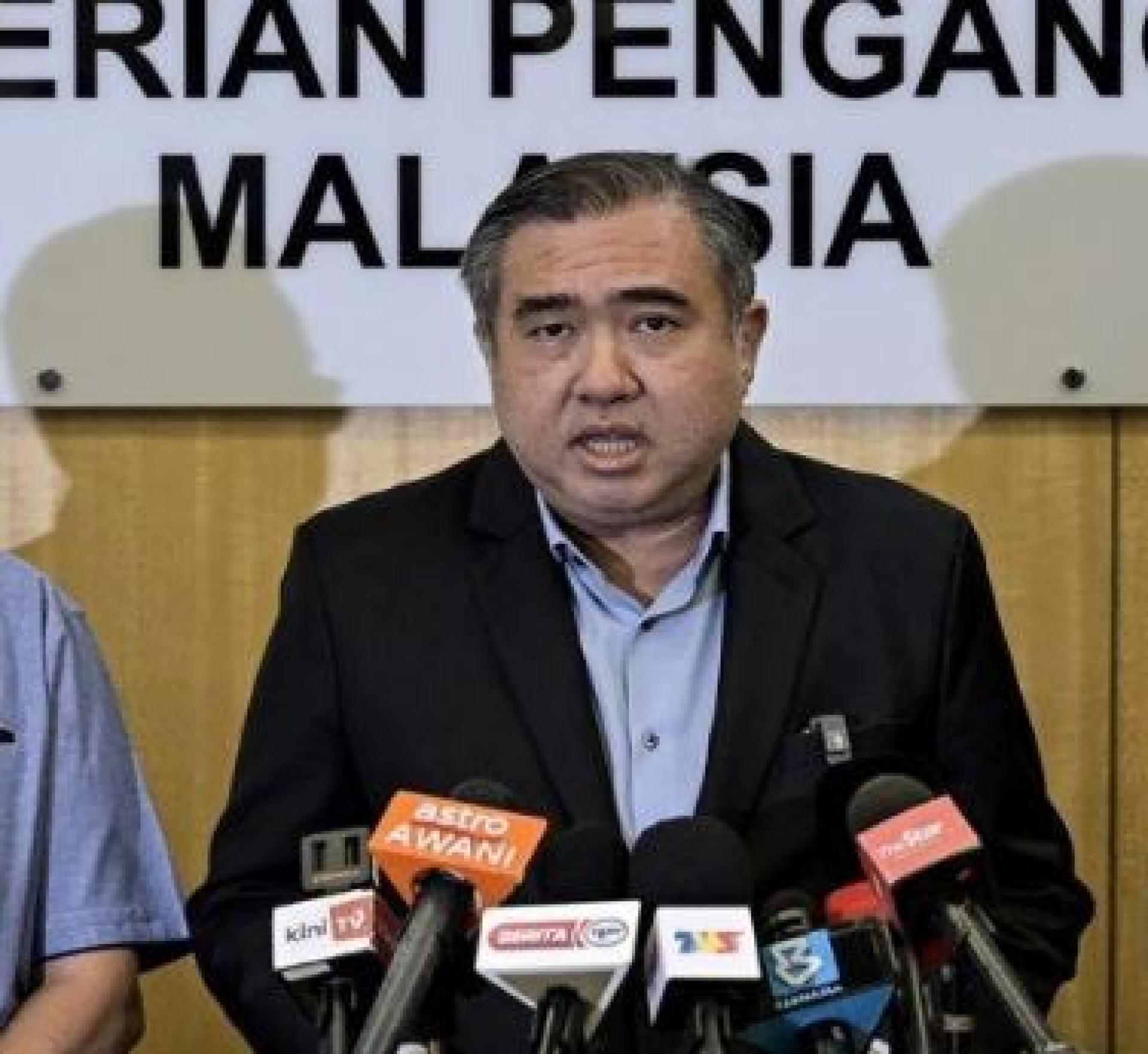
PUTRAJAYA, July 17 (Bernama) -- The Cabinet on Wednesday agreed in principle to proposed amendments to the Road Transport Act 1987 (Act 333) to enable courts to order road offenders to pay compensation to accident victims or their next of kin as an additional punishment.
Transport Minister Anthony Loke said the proposal also includes measures to strengthen the Road Offence Demerit Points System (KEJARA) to enhance road safety.
"This proposal aims to ensure that offenders face not only punishments such as imprisonment, fines and disqualification from driving, but are also held accountable for the impact of their actions on victims and their families.
"MOT intends for compensation not to be determined automatically or administratively by the government, but by the court based on the facts and merits of each case, including the severity of the offence, injury or loss of life, losses suffered by the victim or next of kin, as well as the offender's ability to pay," he said at a press conference here today.
Loke said the proposed mechanism would cover various road offences, including driving under the influence of alcohol or drugs and reckless driving.
He said it would not affect the right of victims or their next of kin to make insurance claims or pursue civil action through existing legal channels.
Following the Cabinet's agreement in principle, the ministry will begin drafting amendments to Act 333. Details of the mechanism to be refined before the proposal is resubmitted to the Cabinet and subsequently tabled in Parliament.
"MOT will also conduct engagement sessions with ministries, agencies and stakeholders, including the insurance industry, to refine various operational aspects before the bill is drafted," he said.
Among the matters to be examined are the scope of cases to be covered, the definition of serious injuries and the appropriate mechanism where an offender is unable to pay compensation.
Loke stressed that compensation would be an additional punishment and would not replace existing penalties under the law.
"This compensation is additional to the existing punishment. Prison sentences remain, fines remain, but offenders must also be responsible towards the next of kin of the victims," he said.
He said the amendments would apply only to offences committed after the law is passed by Parliament, as legislation cannot operate retrospectively.
The ministry aims to table the bill at the year-end parliamentary meeting, subject to the completion of the drafting and engagement processes for review by a Parliamentary Special Select Committee.
"I will also propose that a special committee be established to discuss this bill in detail so that what we want to implement receives cross-party support from all sides," he said.
"This proposal aims to ensure that offenders face not only punishments such as imprisonment, fines and disqualification from driving, but are also held accountable for the impact of their actions on victims and their families.
"MOT intends for compensation not to be determined automatically or administratively by the government, but by the court based on the facts and merits of each case, including the severity of the offence, injury or loss of life, losses suffered by the victim or next of kin, as well as the offender's ability to pay," he said at a press conference here today.
Loke said the proposed mechanism would cover various road offences, including driving under the influence of alcohol or drugs and reckless driving.
He said it would not affect the right of victims or their next of kin to make insurance claims or pursue civil action through existing legal channels.
Following the Cabinet's agreement in principle, the ministry will begin drafting amendments to Act 333. Details of the mechanism to be refined before the proposal is resubmitted to the Cabinet and subsequently tabled in Parliament.
"MOT will also conduct engagement sessions with ministries, agencies and stakeholders, including the insurance industry, to refine various operational aspects before the bill is drafted," he said.
Among the matters to be examined are the scope of cases to be covered, the definition of serious injuries and the appropriate mechanism where an offender is unable to pay compensation.
Loke stressed that compensation would be an additional punishment and would not replace existing penalties under the law.
"This compensation is additional to the existing punishment. Prison sentences remain, fines remain, but offenders must also be responsible towards the next of kin of the victims," he said.
He said the amendments would apply only to offences committed after the law is passed by Parliament, as legislation cannot operate retrospectively.
The ministry aims to table the bill at the year-end parliamentary meeting, subject to the completion of the drafting and engagement processes for review by a Parliamentary Special Select Committee.
"I will also propose that a special committee be established to discuss this bill in detail so that what we want to implement receives cross-party support from all sides," he said.