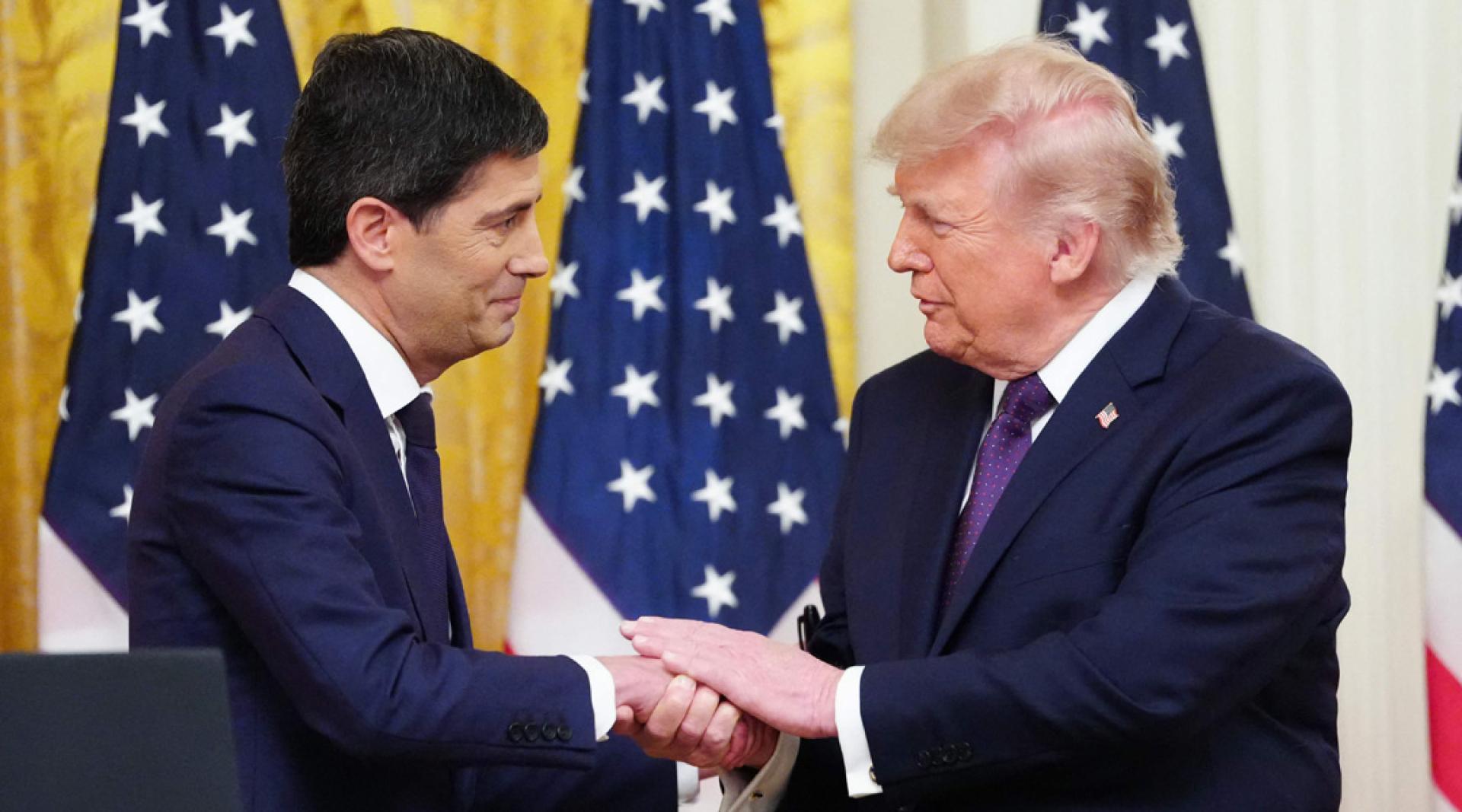
Waller was sworn in as Chairman of the U.S. Federal Reserve at a ceremony held at the White House on the 22nd.
In his speech, Waller stated that he would lead a reform-oriented Federal Reserve, learning from both past successes and failures, and moving beyond unchanging frameworks and models.
U.S. President Trump said at Waller’s inauguration ceremony that he wanted Waller to operate with complete independence, not basing his actions on the attitudes of either himself or anyone else, but focusing solely on doing his job well.
Market analysts believe that after taking office, Waller will face the ongoing challenge of inflation in the U.S. economy. The Federal Reserve will find it increasingly difficult to cut interest rates again in the near term and may instead turn to rate hikes.
Waller was born in 1970 and served as a Federal Reserve Governor from 2006 to 2011. In recent years, Waller has been critical of the Federal Reserve, advocating for adjustments to its communication strategy and inflation metrics.
On January 30, Trump announced his nomination of Waller as the next Chairman of the Federal Reserve, succeeding Powell. Powell’s term as chairman expired on May 15. He will remain on the Federal Reserve Board as a governor, with his term lasting until the end of January 2028.