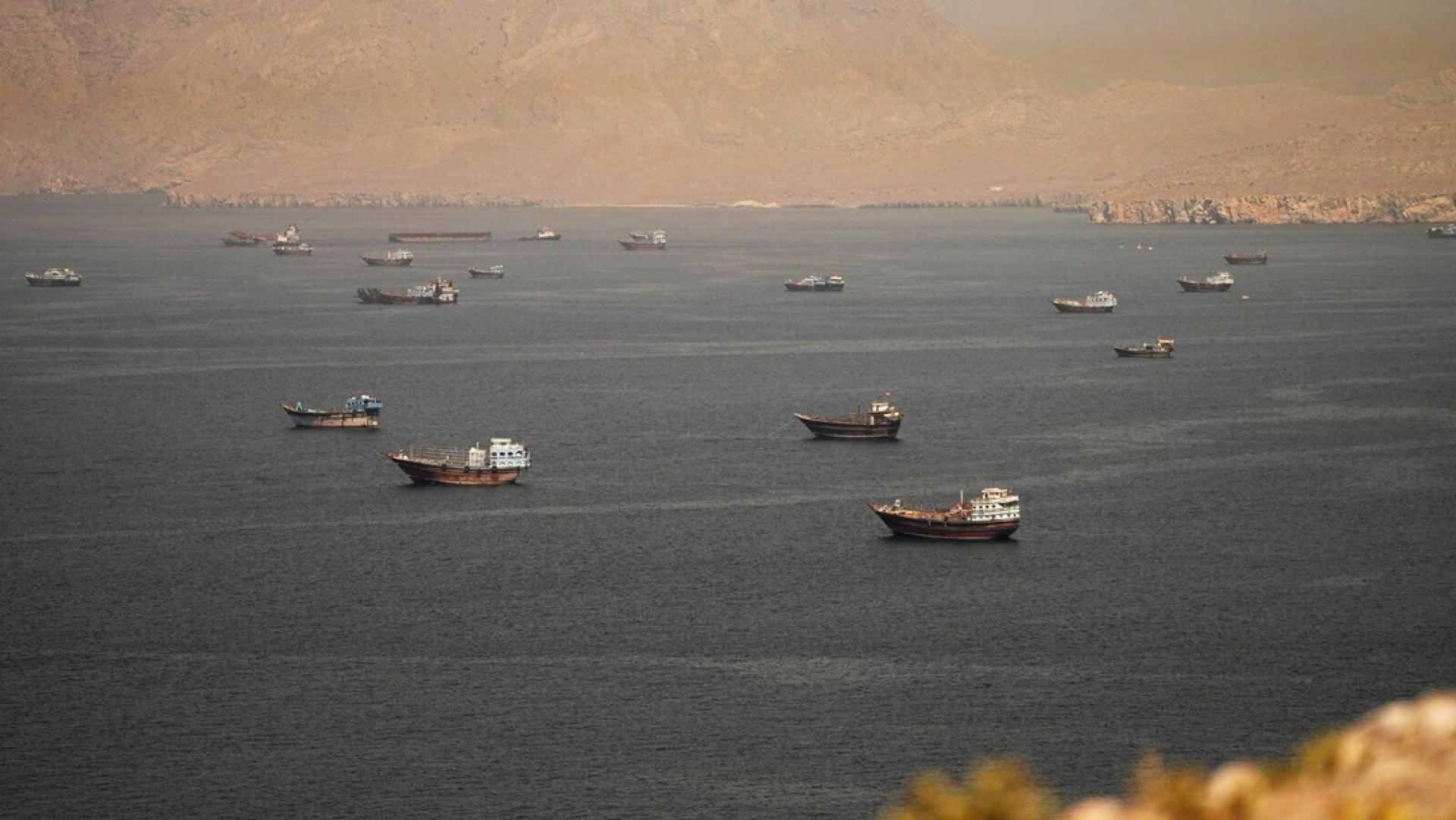
On the 25th, The Wall Street Journal quoted sources as saying that Iran estimates if it charges for security, environmental, and other services at the Strait of Hormuz, it will generate $40 billion (about RM 164.6 billion) in annual revenue for relevant countries.
The Wall Street Journal has learned that Iran is actively lobbying many parties, including Middle Eastern and even friendly Asian nations, to support its toll collection plan for the strait. Iran’s vision is to work with Persian Gulf neighboring countries to jointly charge passing vessels and share the proceeds, thereby giving Iran a cash flow and control authority that it did not possess before wartime.
In terms of reference models, Iran has set its sights on the Dardanelles Strait. According to an international treaty signed in 1936, Turkey has the right to levy a kind of passage tax called the ‘gold franc’ on passing ships—starting July 1st this year, the rate is $6.70 per ton, covering sanitary services, lighthouses, and life-saving items.
Iran is also studying the multilateral security patrol model of the Malacca Strait, that is, a strait patrol mechanism jointly established by Malaysia, Indonesia, Singapore, and other countries, with related costs shared by Asian countries and a Japanese private foundation.
However, Iran has signed multiple international and regional agreements that prohibit its unilateral charging of vessels passing through the strait. Turkey’s charging arrangement is unique and cannot be automatically applied to other countries.
Oman: No Tolls Involved in Future Arrangements for the Strait of Hormuz
Omani Foreign Minister Badr emphasized that future arrangements regarding the Strait of Hormuz will not involve the collection of any tolls.
While attending the Joint Ministerial Meeting between GCC member states and the United States in Bahrain, he stated that Oman calls for ensuring safe and smooth navigation in the Strait of Hormuz.
He pointed out that as a littoral state of the Strait of Hormuz, Oman bears a special responsibility in supporting international efforts to ensure maritime navigation safety, which is consistent with the obligations and duties stipulated by international law and the United Nations Convention on the Law of the Sea.