Fan Faqin: Nationwide Cooperation Needed for Rat Eradication — Chinese Chamber Fully Supports a Cleaner Miri
Published atJul 28, 2026 12:34 pm
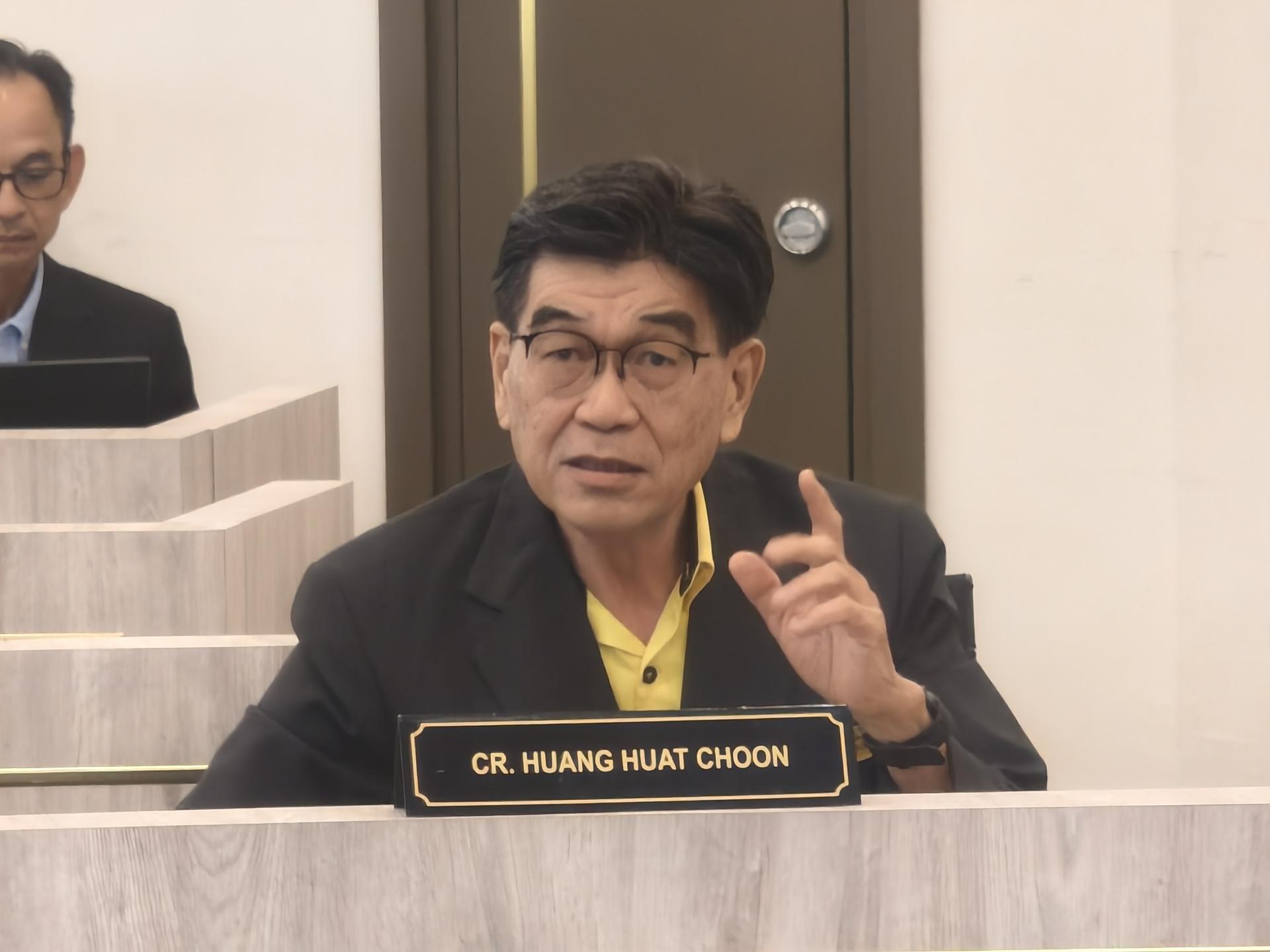
(Miri, 28th) — Chairman of the Miri City Council Market and Hawkers Working Committee and city councillor Fan Faqin called on everyone to actively cooperate with the government's rat eradication campaign to jointly maintain environmental hygiene and create a clean and healthy Miri.
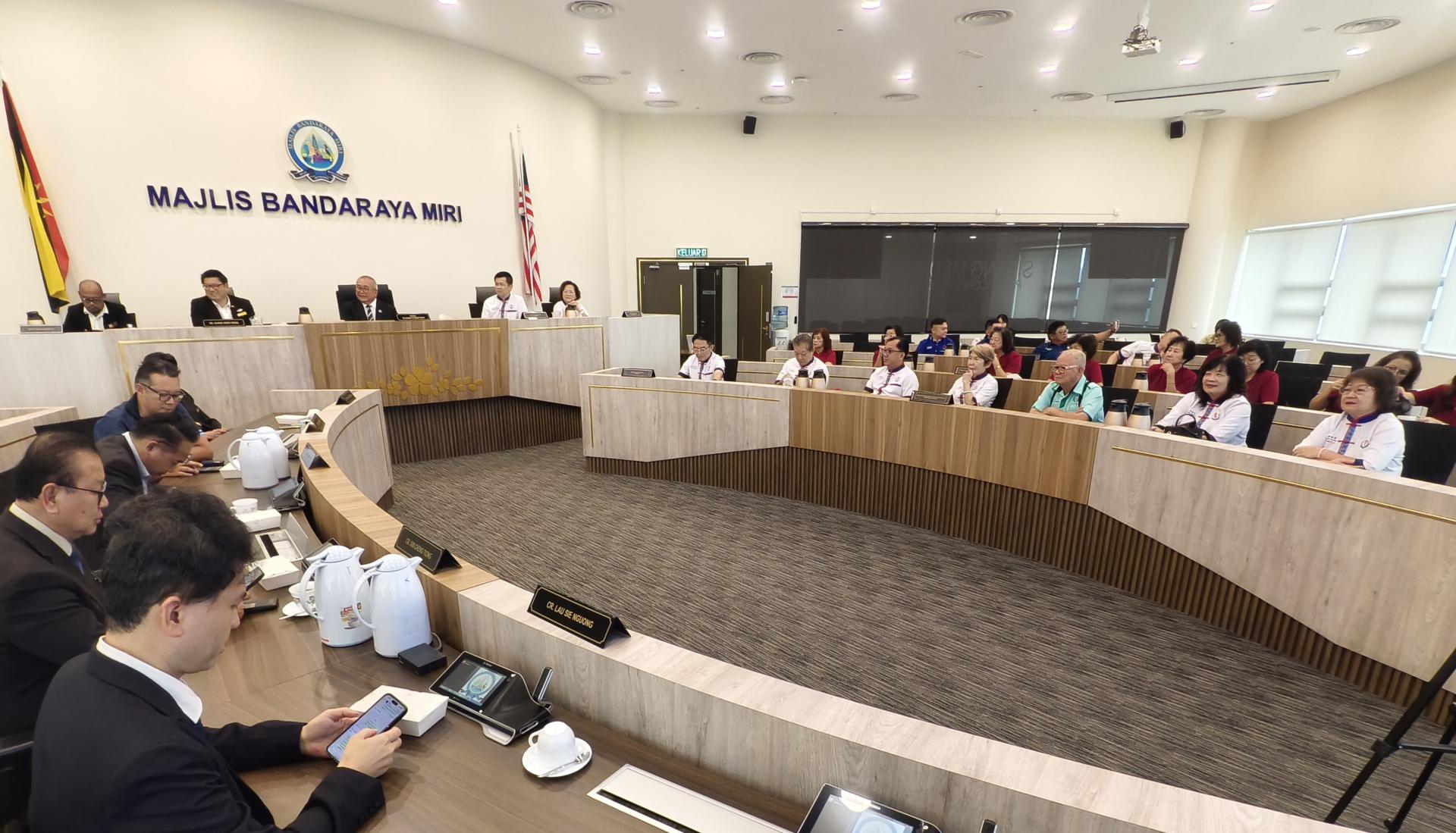
He made this statement yesterday afternoon at the 9th floor of the Miri City Council building during a dialogue between the Miri Chinese Chamber of Commerce and Industry and the Miri City Council, responding to concerns about rats moving freely in coffee shops. He emphasized that public support is crucial for hygiene enforcement, and restaurant operators in particular should take responsibility in properly disposing of food waste to avoid providing a breeding ground for rats.
He said that the Ministry of Health (KKM) enforces hygiene regulations strictly at dining establishments. If rat droppings, cockroaches, and other sanitation issues are found, action will be taken in accordance with the law. Although some operators may feel the enforcement is too strict, these measures are meant to protect public health.
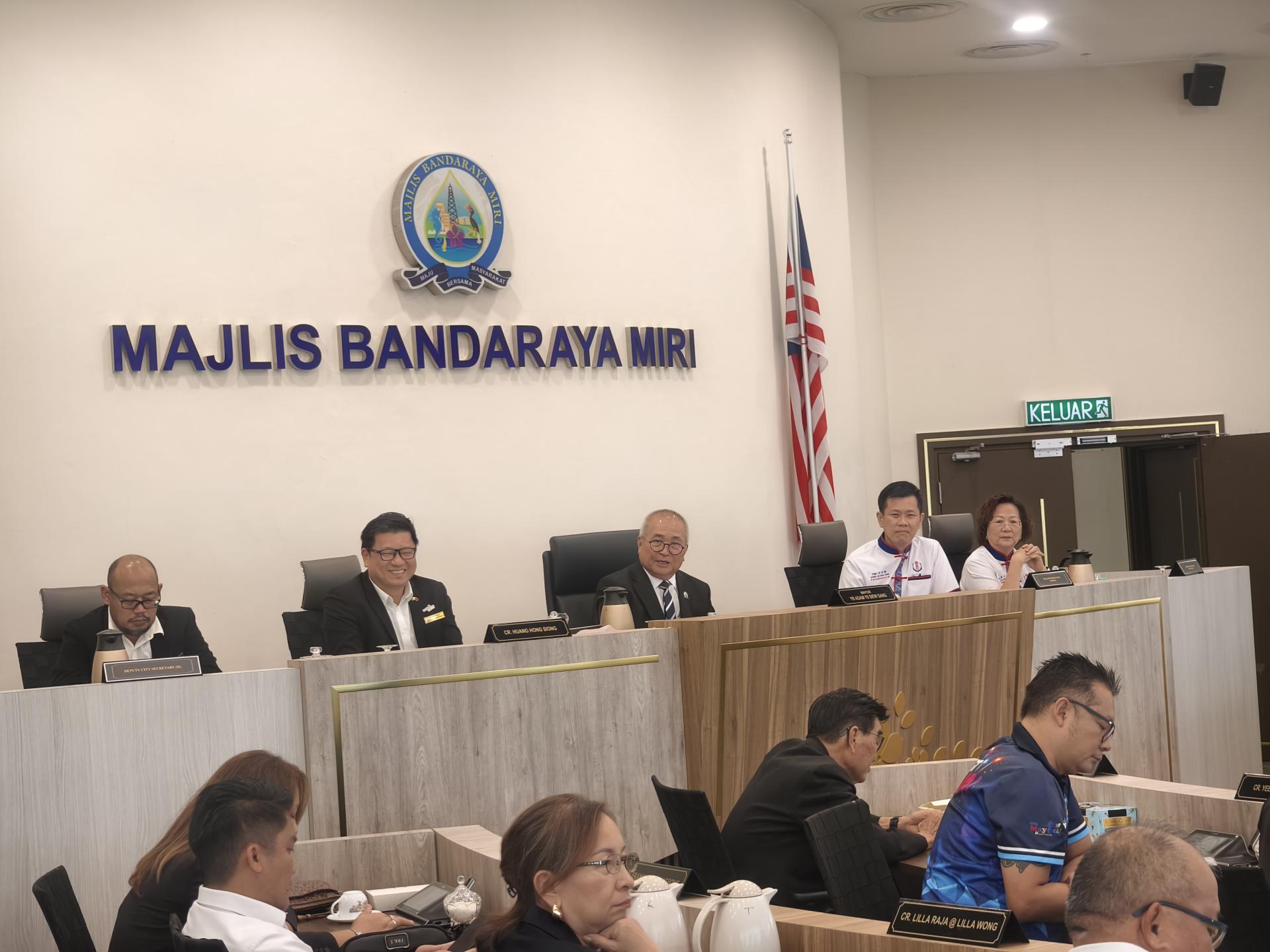
"If we continue to tolerate rats running around and spreading diseases, the ultimate victims will be the general public. Therefore, we hope everyone will support the rat eradication campaign. If we can reduce the rat population by at least 50%, it will greatly improve the city's overall sanitary environment." Front row, from left 2nd: Miri City Councillor Fan Hongxiang, Miri Mayor Yu Xiaoshan, Miri Chinese Chamber President Xu Xinlong, and Deputy President Fang Fengjin. Fan Faqin pointed out that most of the rats' food sources come from restaurant operators who indiscriminately dispose of food waste. Therefore, the City Council will prioritize strengthening hygiene inspections of hotels, coffee shops, and dining establishments, requiring operators to improve their environmental hygiene.
He said that enforcement officers from the City Council have long been working at grassroots level on hygiene and rat eradication. He hopes the public will understand and support this rather than requesting the government to act while criticizing enforcement as too strict.
"Everything the enforcement officers do is to protect citizens, not rats. Thus, we hope everyone will work together to achieve better results in rat eradication."
In addition, he revealed that the City Council conducts rat eradication campaigns almost every week, but due to the rats' rapid reproduction and constant food sources, relying on government efforts alone is not enough—both the public and business operators must share the responsibility of maintaining environmental hygiene.
On another note, Fan Faqin also pointed out that some dining establishments have been ordered closed by the Ministry of Health due to hygiene issues—not actions taken by the City Council. However, the Council fully supports such enforcement because it is crucial to ensure food safety and public health.
He said that rats can spread leptospirosis, which in severe cases may even endanger lives. Therefore, restaurant operators should raise their hygiene awareness and keep business premises clean, protecting not only their customers but also their own staff and health. Miri Chinese Chamber and City Council in dialogue. Front row, from left 2nd: Miri City Council Tourism Development Working Committee Chairman and City Councillor Fan Hongxiang, Miri Mayor Yu Xiaoshan, Miri Chinese Chamber President Xu Xinlong, and Deputy President (Penghulu) Fang Fengjin. At the dialogue, Miri Chinese Chamber President Xu Xinlong also stated that they fully support the City Council and Ministry of Health in implementing various environmental and rat eradication measures. He called on everyone to cooperate, from individuals and businesses to the whole community, to maintain environmental cleanliness and together build a clean, hygienic, and livable Miri.
He believes that environmental hygiene requires a tripartite effort between the government, businesses, and citizens. Only with full public cooperation can the city’s sanitary environment be effectively improved, enhancing Miri’s overall image and quality of life.
This article has been translated using our AI technology. While we strive for accuracy,
AI translations
may contain errors. For the most precise information, please refer to the original article.