The World Meteorological Organization released the "2025 State of the Climate in Asia" report on the 17th, which shows that in 2025, dangerous high temperatures, destructive rainfall and floods, as well as severe droughts affected Asia, resulting in heavy casualties and economic losses.
This report provides authoritative information on key climate indicators, major extreme events, impacts, and risks in the Asian region.
The report states that extreme heat was the defining feature of Asia's climate in 2025 across most regions. Many Asian countries experienced their hottest summers on record, with prolonged heatwaves affecting parts of Central Asia, West Asia, and the Arabian Peninsula.
Due to above-average temperatures and below-average winter snowfall, all 23 monitored glaciers in Asia's mountain regions suffered losses, posing long-term threats to water security and leading to a surge in glacier lake outbursts, floods, and glacier collapses.
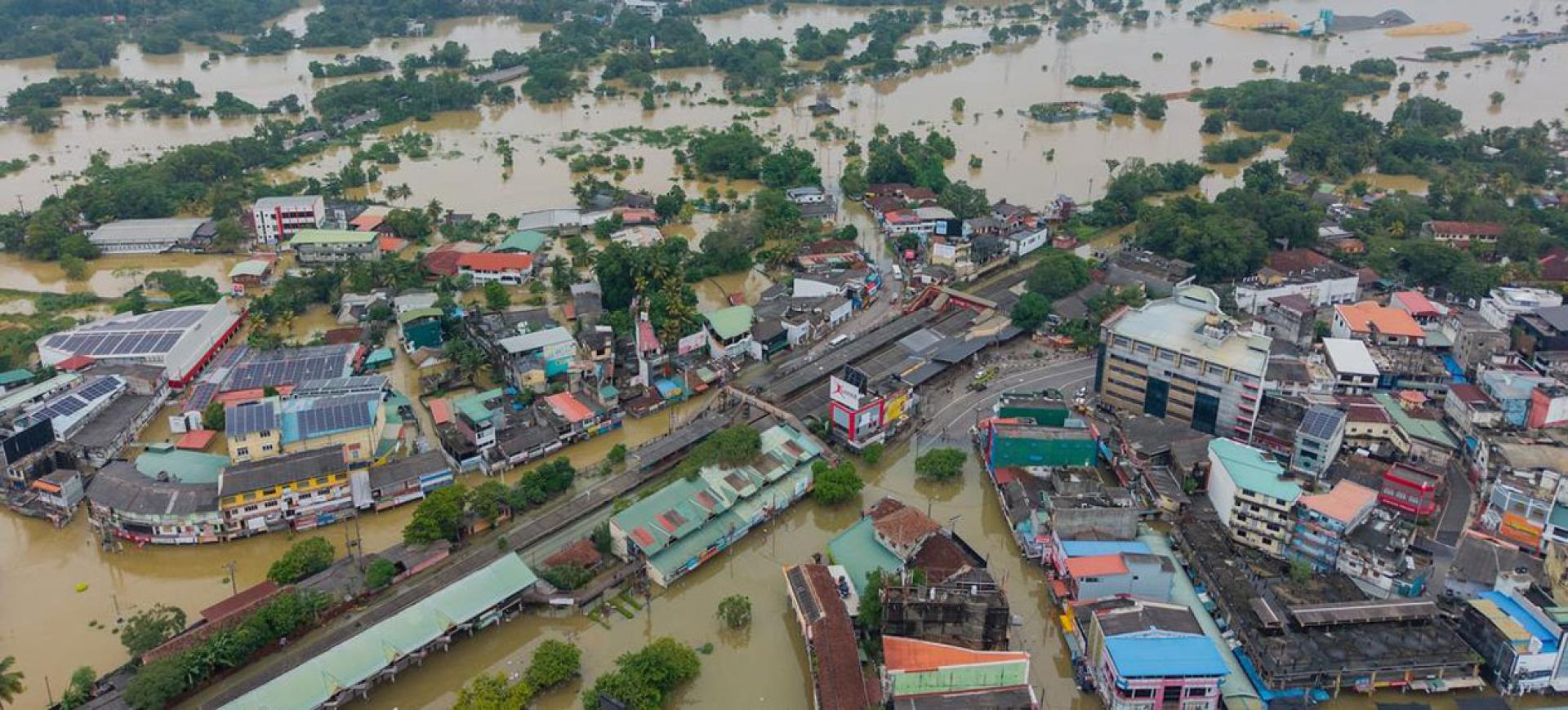
In terms of precipitation, most of South Asia had above-average rainfall in 2025, with abnormal monsoons and rainfall from tropical cyclones causing destructive floods in countries such as Pakistan and Sri Lanka. Meanwhile, West Asia and Central Asia were affected by below-average precipitation and prolonged drought.
The report states that since the 1990s, ocean heat content in Asia has continued to rise, setting a new record in 2025. Sea levels in Asia have also reached their highest levels since satellite records began in 1999.
The World Meteorological Organization pointed out that this report contains case studies demonstrating the scale of climate risks and the necessity of strengthening impact-based forecasting and disaster preparedness—not only forecasting what the weather will be, but emphasizing what impact the weather will have.