PORT DICKSON, July 30 (Bernama) -- More than 6,700 people from various communities have benefited from the Malaysia Social Innovation Programme (MyIS Komuniti), which has implemented 67 projects involving RM13.97 million in allocations from 2021 until last year.
Science, Technology and Innovation Minister Datuk Chang Lih Kang said the initiative, carried out by Yayasan Inovasi Malaysia (YIM) since 2015, had played an important role in expanding technology adoption while improving the social and economic well-being of communities in an inclusive and sustainable manner.
“Through integrated aquaponics systems, communities now have a more sustainable alternative to produce their own food continuously, improving food security.
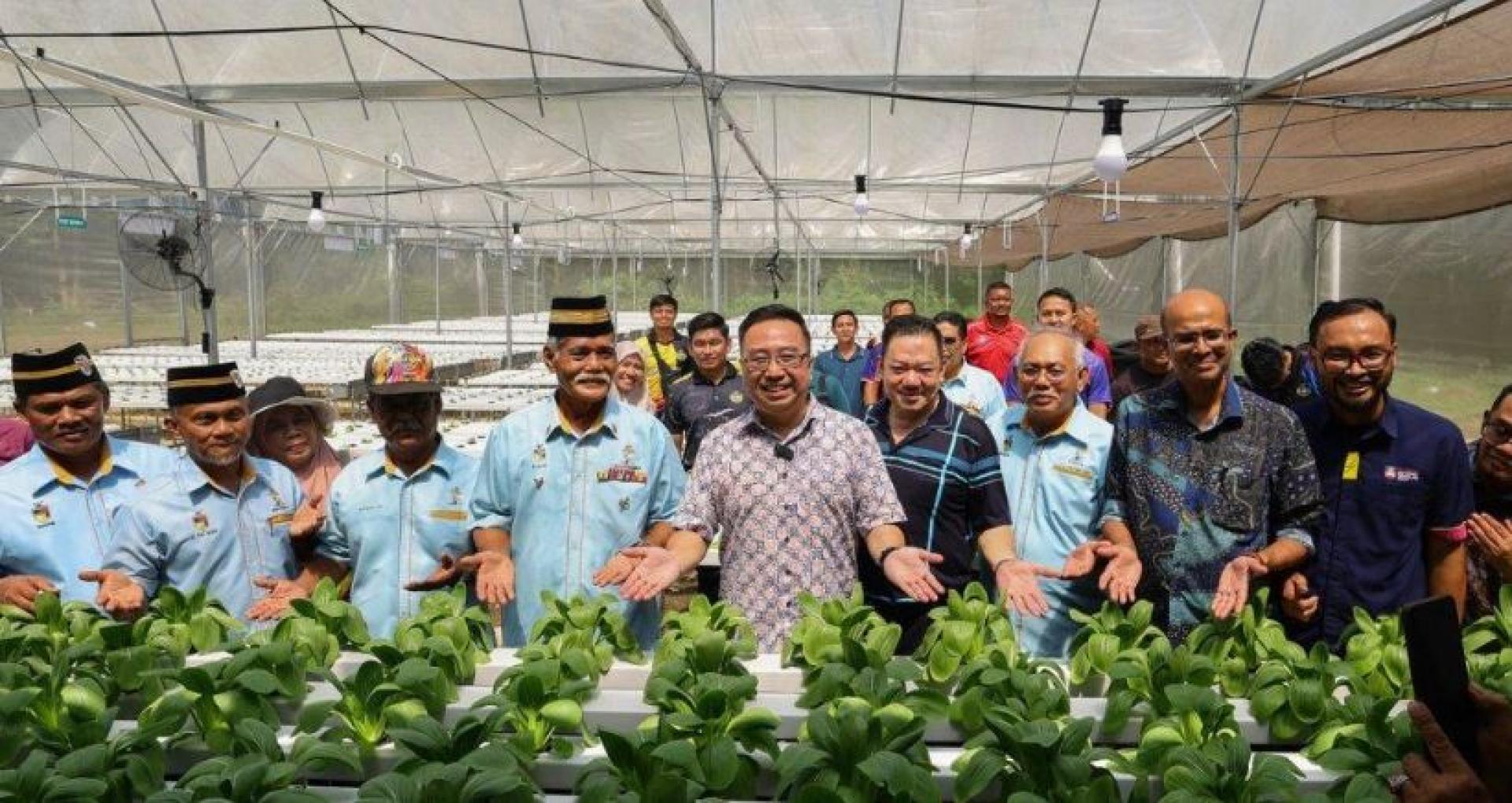
“By using suitable technology, the project not only helps meet daily needs but also provides opportunities for skills development and local economic growth,” he said at the launch of the MyIS -Aquaponics Project Site by the Royal Electrical and Mechanical Engineers (JLJD) at Pasir Panjang here today.
Also present were YIM chief executive officer Dr Sharmila Mohamed Salleh and Research Nexus Universiti Teknologi MARA (UiTM) director Prof Dr Asmah Awal.
Chang said the RM251,616 allocation provided under the MyIS Programme for the Pasir Panjang project was an investment in innovation that directly benefited the community
The project involved providing facilities, technology, knowledge development, skills training and support to enhance the community’s ability to manage the initiative.
He said the integrated aquaponics system combined aquaculture for freshwater fish farming with hydroponics for vegetable cultivation.
“The nutrient-rich water from fish tanks is used to fertilise the plants before being recycled back into the system.
“This method optimises the use of water, space and resources, while reducing waste and promoting sustainable farming practices,” he said.
Chang said the project also incorporated renewable energy through solar-powered systems equipped with Internet of Things (IoT) technology, allowing the system to be monitored more efficiently and intelligently.
The technology enables the community to track key parameters such as water quality, temperature and overall system operations in real time, allowing early action to be taken in the event of changes or disruptions and reducing the risk of losses.
He said more than 800,000 kilogrammes of vegetables had been produced through the project this year, with UiTM providing expertise in developing the integrated aquaponics system, while fish farming was still in the growth stage.
More than 100 members of the Negeri Sembilan JLJD Veterans Association have also benefited as recipients and strategic partners, with produce marketed directly to consumers or through assistance from the Federal Agricultural Marketing Authority (FAMA).
“Through integrated aquaponics systems, communities now have a more sustainable alternative to produce their own food continuously, improving food security.
“By using suitable technology, the project not only helps meet daily needs but also provides opportunities for skills development and local economic growth,” he said at the launch of the MyIS -Aquaponics Project Site by the Royal Electrical and Mechanical Engineers (JLJD) at Pasir Panjang here today.
Also present were YIM chief executive officer Dr Sharmila Mohamed Salleh and Research Nexus Universiti Teknologi MARA (UiTM) director Prof Dr Asmah Awal.
Chang said the RM251,616 allocation provided under the MyIS Programme for the Pasir Panjang project was an investment in innovation that directly benefited the community
The project involved providing facilities, technology, knowledge development, skills training and support to enhance the community’s ability to manage the initiative.
He said the integrated aquaponics system combined aquaculture for freshwater fish farming with hydroponics for vegetable cultivation.
“The nutrient-rich water from fish tanks is used to fertilise the plants before being recycled back into the system.
“This method optimises the use of water, space and resources, while reducing waste and promoting sustainable farming practices,” he said.
Chang said the project also incorporated renewable energy through solar-powered systems equipped with Internet of Things (IoT) technology, allowing the system to be monitored more efficiently and intelligently.
The technology enables the community to track key parameters such as water quality, temperature and overall system operations in real time, allowing early action to be taken in the event of changes or disruptions and reducing the risk of losses.
He said more than 800,000 kilogrammes of vegetables had been produced through the project this year, with UiTM providing expertise in developing the integrated aquaponics system, while fish farming was still in the growth stage.
More than 100 members of the Negeri Sembilan JLJD Veterans Association have also benefited as recipients and strategic partners, with produce marketed directly to consumers or through assistance from the Federal Agricultural Marketing Authority (FAMA).