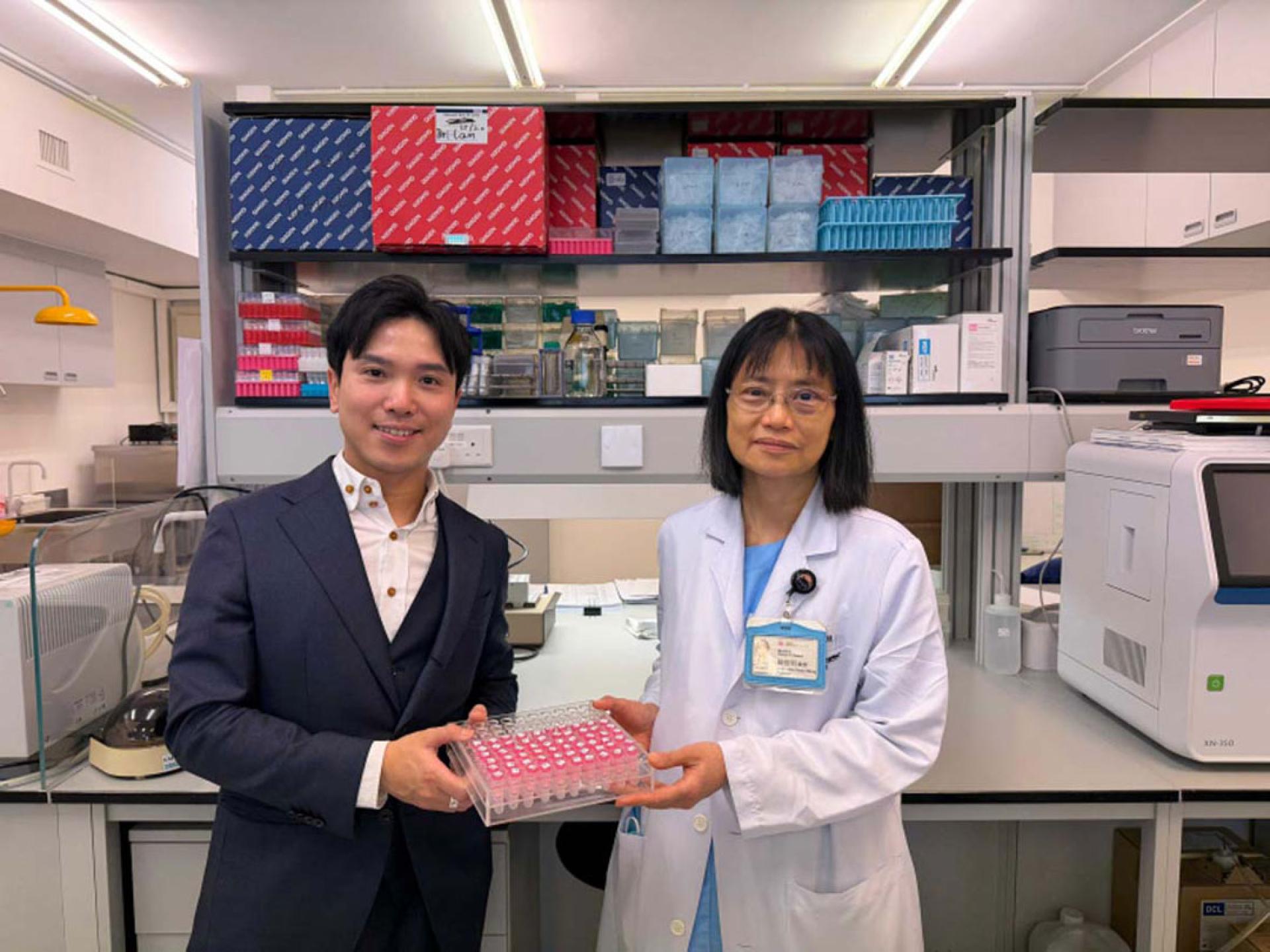
A research team from the Faculty of Medicine at the University of Hong Kong has found that the widely used osteoporosis drug "nitrogen-containing bisphosphonates" may help reduce the risk of Alzheimer's disease and related cognitive disorders (collectively known as "ADRD") in elderly patients with osteoporosis or fragility fractures.
According to Xinhua News Agency, the University of Hong Kong released its latest research findings on the 17th, with the related results already published in the journal Alzheimer's & Dementia.
The HKU Faculty of Medicine research team had previously confirmed that osteoporosis and fractures increase the risk of developing cognitive disorders in the future, and that patients with cognitive disorders also have a higher risk of falls and fractures, reflecting a mutually influencing relationship between the two. The research team pointed out that if osteoporosis treatment can be improved, it may help alleviate the condition of cognitive disorders.
"Nitrogen-containing bisphosphonates" are currently commonly used drugs for the treatment of osteoporosis. The HKU Faculty of Medicine research team conducted a large-scale study using electronic medical records across Hong Kong, analyzing more than 120,000 elderly individuals aged 60 and above with osteoporosis or fragility fractures between 2005 and 2020.
The results showed that patients using "nitrogen-containing bisphosphonates" had a 16% lower risk of developing ADRD compared to those who did not receive treatment; compared to those using other osteoporosis medications, the risk was reduced by 24%.
Dr. Cheung Ching-lung, Associate Professor at the Department of Pharmacology and Pharmacy of HKU Faculty of Medicine, stated that this study reveals that "nitrogen-containing bisphosphonates" provide dual benefits for the elderly — in addition to strengthening bones and preventing fractures, they may also help reduce the risk of developing ADRD.