(Kuching, 9th) Leadership continuity is crucial for Sarawak’s long-term development. If rigid term limits are imposed on the Premier, it may disrupt the momentum of policy implementation and weaken governance effectiveness.
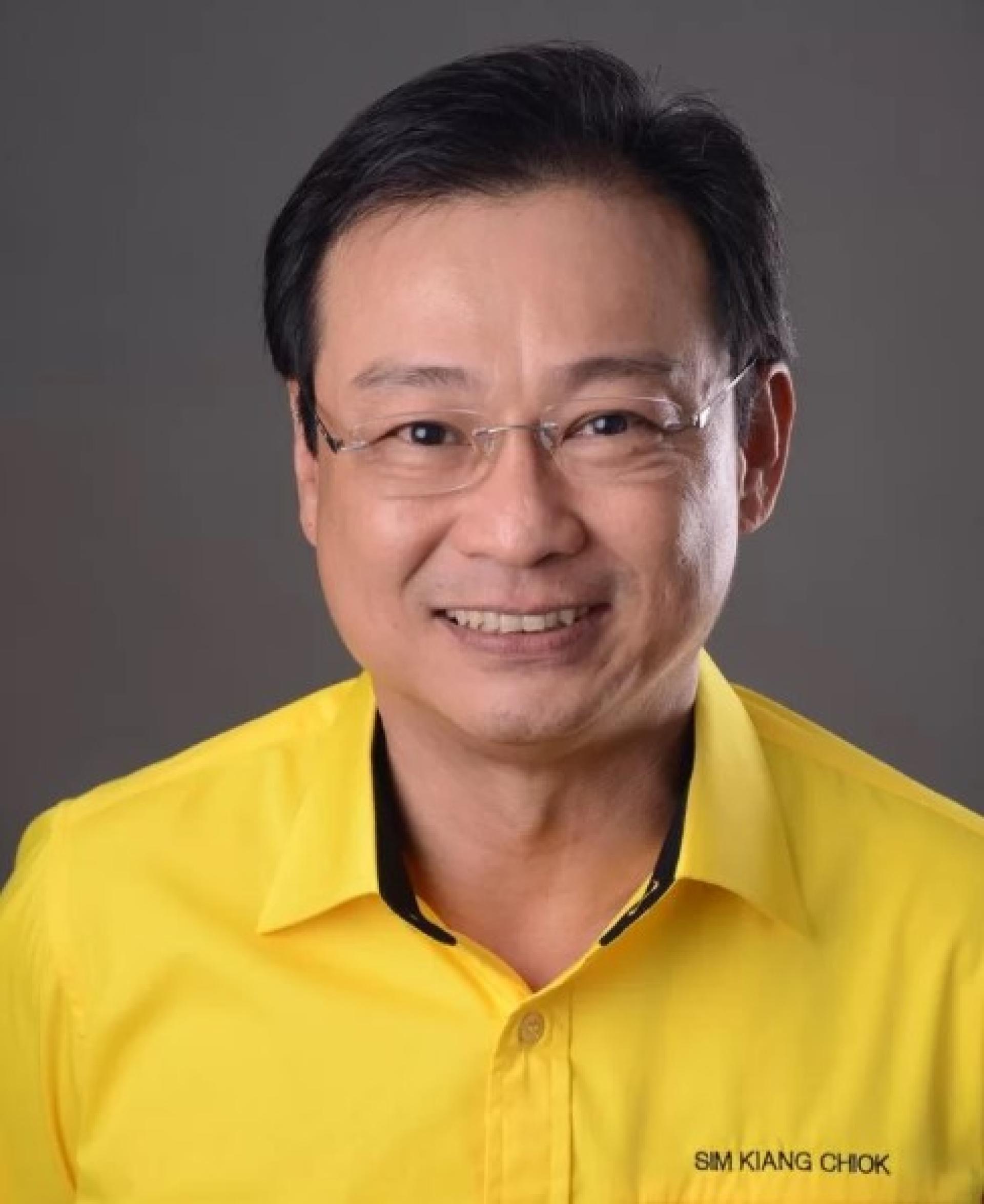
Datuk Sim Kian Siong, Chairman of SUPP Batu Kawah Branch, stated that under the Westminster system, whether a Prime Minister or Premier continues in office depends on retaining parliamentary confidence, party support, cabinet endorsement, electoral legitimacy, and is subject to judicial checks and balances.
He said: “The existing mechanisms of checks and balances are already capable of preventing abuse of power. Implementing fixed term limits may instead create a ‘start–stop’ effect, damaging long-term planning and policy continuity.”
Sim Kian Siong cited Malaysia’s recent political experience as an example, pointing out that stable, long-term leadership in the past brought stability to the country. In recent years, however—especially during the COVID-19 pandemic—frequent changes of Prime Ministers led to constant shifts in policy strategies and slogans, undermining governance efficiency.
He stated that rather than introducing rigid term limits, it would be more effective to strengthen parliamentary oversight, the efficiency of independent enforcement agencies, and judicial independence. He added that term limits might also turn a leader into a “lame duck” during their final term.
On development issues, Sim Kian Siong noted that term limits may hinder the implementation of long-term development strategies and reduce accountability for outcomes that require years to materialize.
Meanwhile, he also warned that frequent leadership changes could weaken Sarawak’s bargaining power in negotiations with the federal government regarding Malaysian Agreement 1963 (MA63) rights.
“Each new Premier may have different approaches, focus areas, and strategies in safeguarding Sarawak’s MA63 rights,” he added.
Datuk Sim Kian Siong, Chairman of SUPP Batu Kawah Branch, stated that under the Westminster system, whether a Prime Minister or Premier continues in office depends on retaining parliamentary confidence, party support, cabinet endorsement, electoral legitimacy, and is subject to judicial checks and balances.
He said: “The existing mechanisms of checks and balances are already capable of preventing abuse of power. Implementing fixed term limits may instead create a ‘start–stop’ effect, damaging long-term planning and policy continuity.”
Sim Kian Siong cited Malaysia’s recent political experience as an example, pointing out that stable, long-term leadership in the past brought stability to the country. In recent years, however—especially during the COVID-19 pandemic—frequent changes of Prime Ministers led to constant shifts in policy strategies and slogans, undermining governance efficiency.
On development issues, Sim Kian Siong noted that term limits may hinder the implementation of long-term development strategies and reduce accountability for outcomes that require years to materialize.
Meanwhile, he also warned that frequent leadership changes could weaken Sarawak’s bargaining power in negotiations with the federal government regarding Malaysian Agreement 1963 (MA63) rights.
“Each new Premier may have different approaches, focus areas, and strategies in safeguarding Sarawak’s MA63 rights,” he added.