Kota Samarahan’s Accelerated Development Brings Illegal Dumping Problems
Published atJan 09, 2026 10:37 am
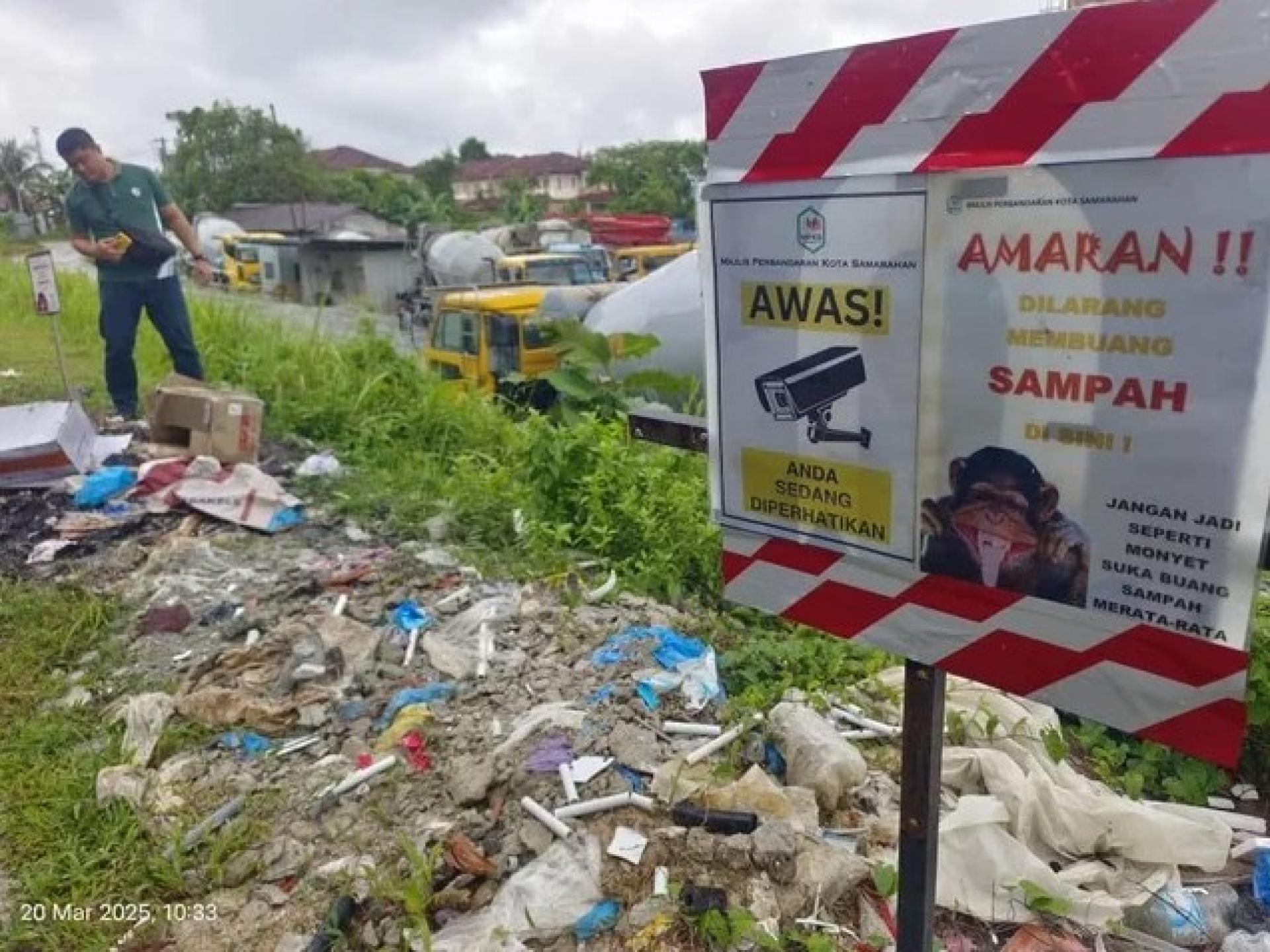
(Kuching, 9th) In rapidly developing suburban areas such as Kota Samarahan, illegal waste dumping has become a persistent challenge faced by local authorities. However, in nearby Serian, this problem is almost non-existent. This stark contrast highlights how development models, geographic environment, and public behavior practically affect the reality of waste management. For the Kota Samarahan Municipal Council (MPKS), complaints regarding illegal dumping have continued to surface in recent months. Council Chairman Abang Ismawi Abang Ali stated that these reports involve both long-standing “black spots” as well as newly affected locations. “These include some old illegal dumping zones, as well as new sites such as Jalan Baru Bukit Berangan–Stutong and Kampung Baru Industrial Area,” he told Sarawak Forum Daily.
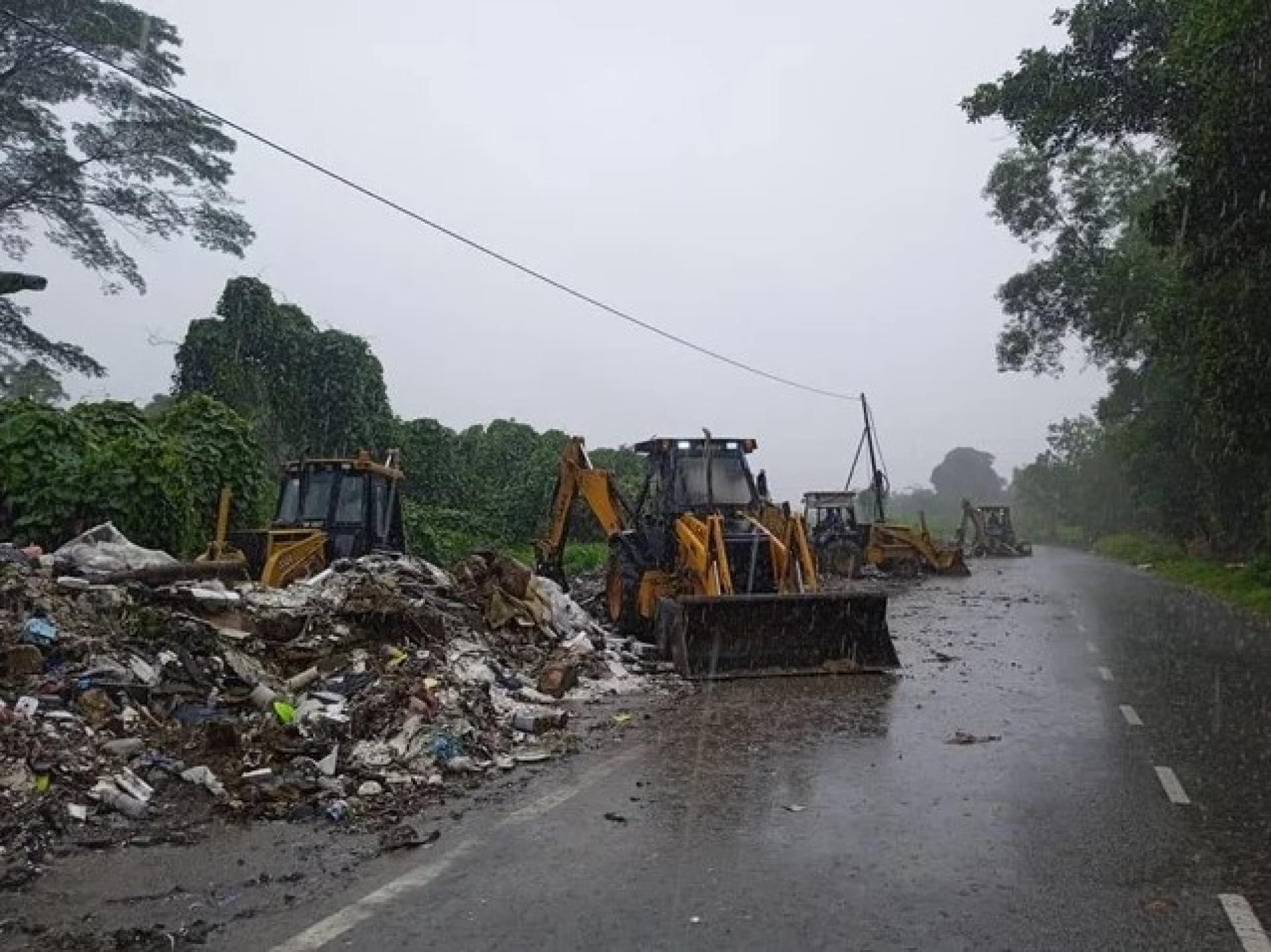
Remote and isolated spots remain the most prone to illegal dumping, with abandoned commercial sites and industrial zones often becoming “convenient targets” for irresponsible parties due to being out of public sight. Abang Ismawi said frequently affected locations include the RH Park Industrial Area at Mile 9, Kota Samarahan Industrial Park, Kampung Baru Industrial Area, and Stakan Jaya Industrial Area. Among these, Jalan Sarawak Turf Club at Mile 7 is considered one of the most stubborn hotspots, requiring repeated cleaning up. He explained that the characteristics of these locations present challenges for enforcement, as violators are often hard to identify. “In many cases, we carry out clean-up operations based on public complaints, but the isolated environment makes tracking down those responsible rather difficult,” he said. He added that once violators are identified, the council will conduct on-site inspections and investigations, and issue clean-up notices.
Thereafter, follow-up inspections will be done to ensure compliance with the instructions; if violators do not cooperate, not only will fines be imposed, but they will also be ordered to clean the affected areas. According to Article 18(1)(a) of the 1999 Local Authorities Cleanliness By-Laws (LAC), first-time offenders—whether individuals or companies—can be fined a maximum of 100 ringgit. Besides enforcement actions, the council also relies on routine monitoring, which includes twice-daily patrols, regular inspections according to the Local Authority Regulatory Compliance Index (LARCI), joint actions with the Public Health Bureau, and cooperation with community members and the police. Abang Ismawi emphasized that public cooperation is crucial. “Reporting to the council helps us identify violators so we can take immediate action and prevent illegal dumping sites from being buried by more waste,” he said. On the other side of the Samarahan-Serian border, the situation is quite different.
Serian District Council Chairman Datuk Peter Minos stated that illegal dumping is not a serious issue in the district, mainly due to its smaller scale and limited construction activities. “Serian is not like Kota Samarahan; there isn’t that much building or construction activity here, and developers are well aware of the penalties involved,” said the former MPKS chairman. He added that minor incidents do still occasionally occur, but are infrequent and quickly dealt with by a vigilant enforcement team. Since taking office in March last year, Peter stated that he has yet to receive any reports of major illegal dumping cases. The differing experiences of both councils reflect a broader reality: as urbanization and industrialization progress in a region, enforcement challenges also multiply. The faster the development, the greater the vigilance required—not only from authorities but also from communities who must live with the consequences. 清理非法倾倒地点时出动重型机械。
This article has been translated using our AI technology. While we strive for accuracy,
AI translations
may contain errors. For the most precise information, please refer to the original article.