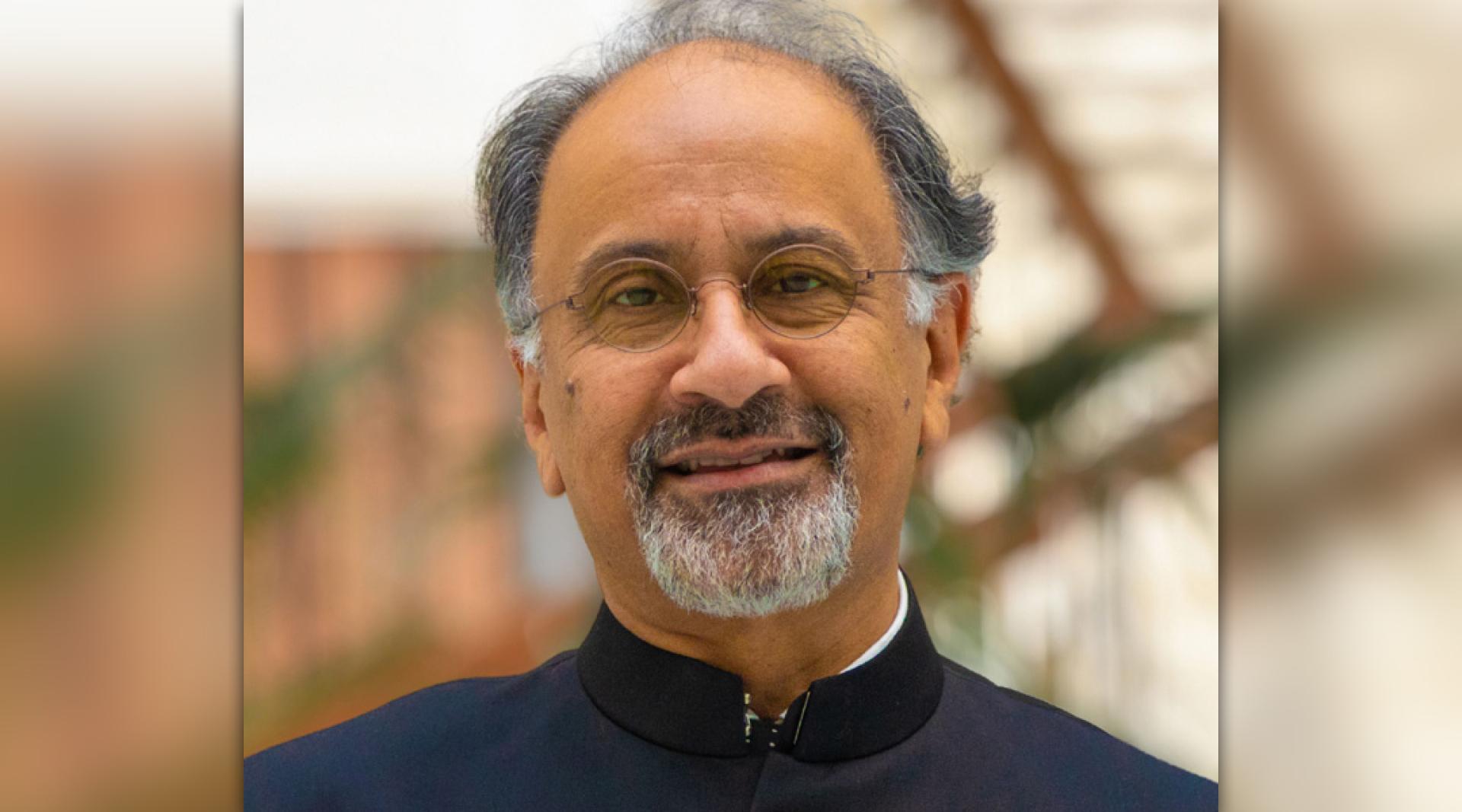
On the 22nd, World Bank Senior Vice President and Chief Economist Indermit Gill said in a media interview that a renewed escalation of the US-Iran conflict could drive up inflation and interest rates, causing global economic growth to slow to 1.3% this year.
He stated that given the high uncertainty of the conflict in the Middle East, the World Bank modeled three scenarios in its June economic forecast, with the worst-case scenario—where the conflict lasts six months or longer—now nearly a reality. In this scenario, global inflation this year would reach 4.5%.
He noted that prolonged conflict and damage to the oil infrastructure in the Middle East would also disrupt the transportation of fertilizers, helium, and sulfur needed for agriculture, exacerbating food insecurity and triggering a chain reaction of consequences.
Gill pointed out that poor countries, which have yet to recover from the COVID-19 pandemic, may face even more severe food insecurity issues. Meanwhile, highly indebted countries may experience impacts on spending for education, health, and other critical services due to rising interest rates. Once inflation accelerates, heavily indebted countries could face serious debt repayment problems within just a few months.
In its June "Global Economic Prospects" report, the World Bank projected that global economic growth this year would slow from 2.9% in 2025 to 2.5%, the lowest level since the COVID-19 pandemic.