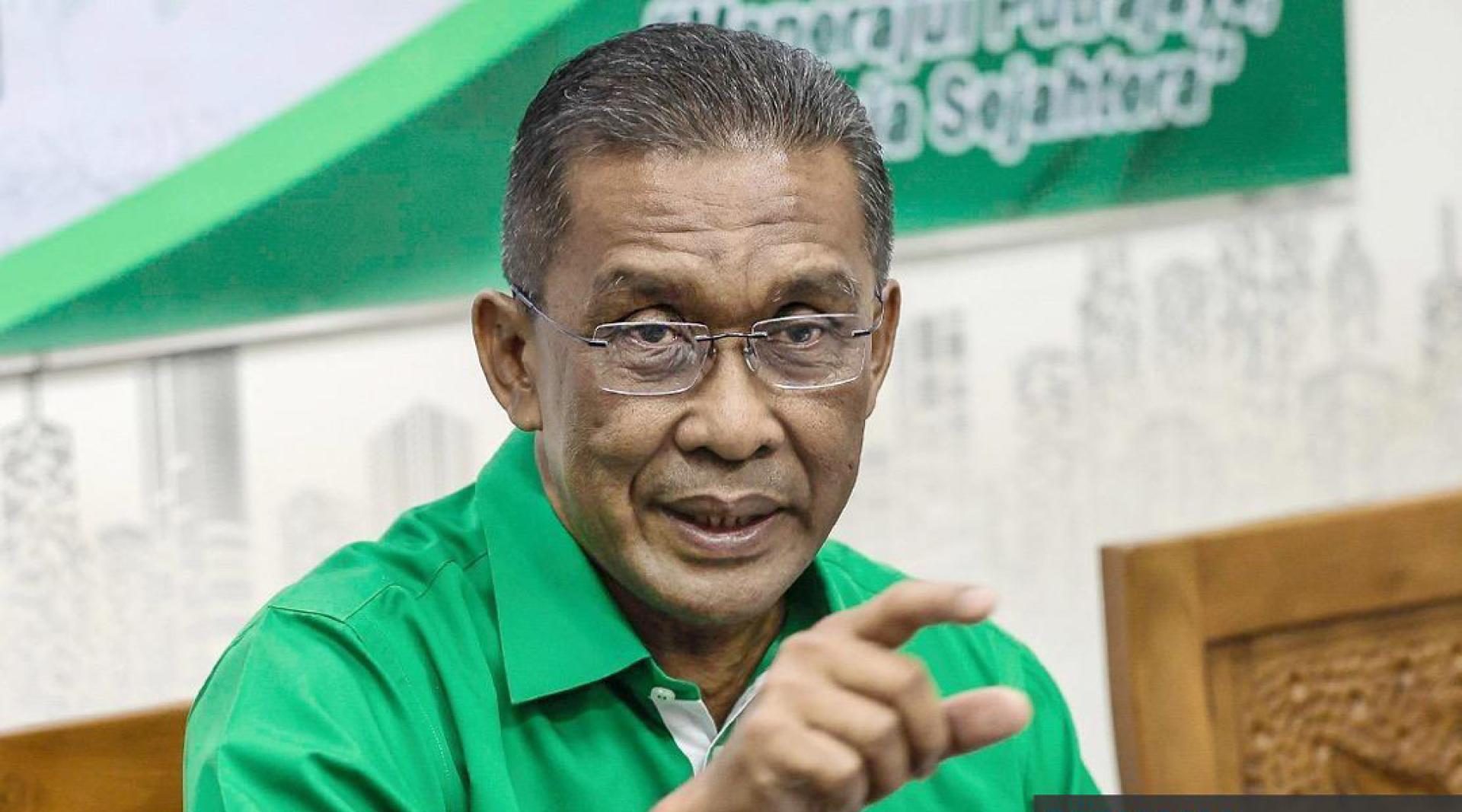
(Kuala Lumpur, 3rd) Minister of Tourism, Arts and Culture Datuk Seri Tiong King Sing's response of "If you can come, come; if you can't, then don't" to the criticism surrounding the "Rain Rave Water Music Festival" has drawn displeasure from PAS.
PAS Secretary-General Datuk Seri Takiyuddin pointed out that as a key Cabinet minister charged with promoting our country as a world-class and respected tourist destination, Tiong should not make such reckless remarks.
He believes that Tiong has a duty to promote unity, mutual respect, cultural sensitivity, and inclusiveness, rather than adopting a defensive stance and brushing off people's legitimate concerns with careless thinking.
He pointed out that criticism of the water music festival, including from government leaders, revolves around several serious issues such as public etiquette, venue suitability, ensuring public spaces are family-friendly, cultural sensitivities, and public safety – all of which are reasonable, and neither excessive nor extreme criticisms.
He believes these issues need to be explained and communicated in a quality manner, not dismissed by a federal minister.
In a statement, Takiyuddin said that the water music festival is like a large and open nightclub, and such controversial events are more suitable to be held in a closed and restricted manner, rather than being promoted by the government as a flagship interactive event, much less being highlighted as one of the key promotional activities for "Malaysia Tourism Year 2026."
He pointed out that our country possesses many enviable natural resources, culture, history, and heritage. Our strengths include ancient cities, rainforests, islands, cuisine, traditional arts, diverse cultural activities and products, the friendliness of our people, and societal harmony.
Therefore, he believes our country should compete based on these advantages, uniqueness, and quality, rather than through the noise and gimmicks of street trends, foreign fads, or intentionally crafted cheap imitations meant solely to grab temporary attention or vent emotions.
He said tourism strategies should be evaluated on whether they can increase the number of quality tourists, extend the length of stay, create sustainable jobs, benefit local businesses, protect national heritage, and strengthen Malaysia’s reputation.
He stated that the core issue is not about who participates or does not participate in the event, but whether departmental leaders are clearly aware of the importance of their roles—namely, shaping a positive image for Malaysia.
At a time when regional tourism competition is so fierce, Malaysia's appearance should not be about superficial branding, unnecessary provocations, or ministers confused between "fame" and "progress."