(Manila, 23rd) — The United States has delivered four autonomous underwater and surface vehicles to the Philippine military, enhancing the country's ability to monitor maritime activities and detect potential threats, further strengthening its maritime defense capabilities.
According to international media reports, the US Embassy in Manila issued a statement on Tuesday (23rd) announcing that the Triton autonomous underwater and surface vehicles, developed by Ocean Aero, are valued at a total of US$13 million (approximately S$16.82 million).
The statement emphasized that this delivery demonstrates the United States' firm commitment to its ally, the Philippines, and helps improve the Philippines’ capability to address a range of maritime challenges—including illegal fishing, “grey zone” activities, and threats to freedom of navigation.
The US Embassy indicated that the Indo-Pacific maritime region is vast and complex, and with the Philippines in a key strategic position, the enhancement of maritime surveillance capabilities is especially important.
It is understood that the Triton vehicles are solar-powered, each capable of operating continuously for up to 30 days, able to conduct extended surveillance, reconnaissance, and intelligence gathering missions, thereby improving tactical and operational decision-making efficiency.
The Philippines and China have had longstanding sovereignty disputes over certain islands and waters in the South China Sea, with tensions between the two sides escalating in recent years.
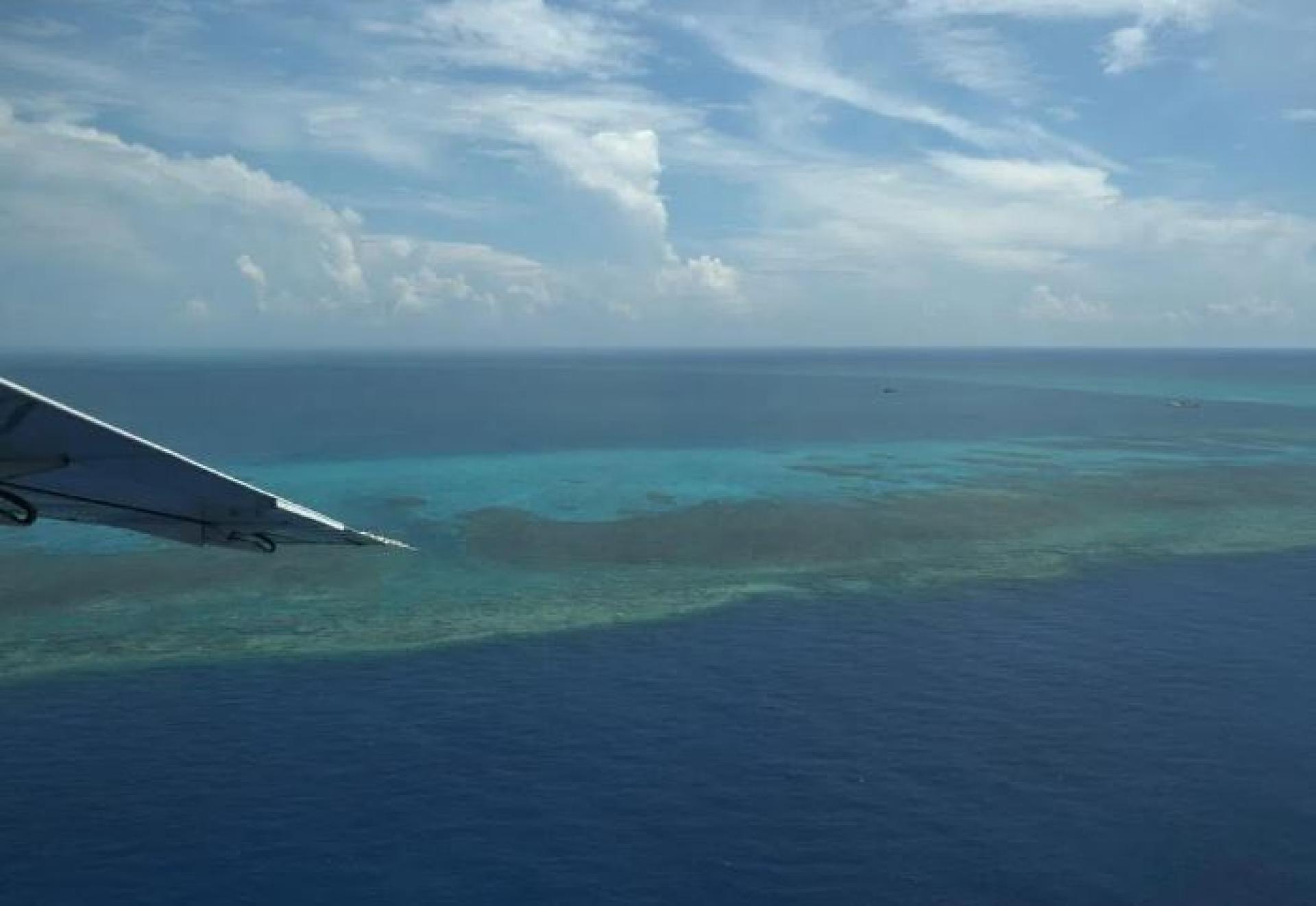
Recently, the Philippines protested China’s installation of floating structures at Scarborough Shoal (referred to as Huangyan Island by China), claiming that these facilities affected the regional situation. The structures were subsequently removed.
China's state media, Global Times, reported that the facility was a floating in-situ sampling and experimental platform deployed by the South China Sea Institute of Oceanology, Chinese Academy of Sciences, at Huangyan Island, primarily for core sampling, environmental observation, and in-situ experiments.
The Chinese Embassy in the Philippines also posted on social platform X on June 16, stating that the related scientific research mission has been successfully completed.
The statement emphasized that this delivery demonstrates the United States' firm commitment to its ally, the Philippines, and helps improve the Philippines’ capability to address a range of maritime challenges—including illegal fishing, “grey zone” activities, and threats to freedom of navigation.
The US Embassy indicated that the Indo-Pacific maritime region is vast and complex, and with the Philippines in a key strategic position, the enhancement of maritime surveillance capabilities is especially important.
It is understood that the Triton vehicles are solar-powered, each capable of operating continuously for up to 30 days, able to conduct extended surveillance, reconnaissance, and intelligence gathering missions, thereby improving tactical and operational decision-making efficiency.
The Philippines and China have had longstanding sovereignty disputes over certain islands and waters in the South China Sea, with tensions between the two sides escalating in recent years.
Recently, the Philippines protested China’s installation of floating structures at Scarborough Shoal (referred to as Huangyan Island by China), claiming that these facilities affected the regional situation. The structures were subsequently removed.
China's state media, Global Times, reported that the facility was a floating in-situ sampling and experimental platform deployed by the South China Sea Institute of Oceanology, Chinese Academy of Sciences, at Huangyan Island, primarily for core sampling, environmental observation, and in-situ experiments.
The Chinese Embassy in the Philippines also posted on social platform X on June 16, stating that the related scientific research mission has been successfully completed.