As the war continues to spread in the Middle East, international oil prices have surged in response. Thai Foreign Minister Srettha expressed deep concern over the situation and called for an urgent ASEAN Foreign Ministers' Special Meeting to collectively discuss the potential impacts of the escalating situation on regional energy security and possible response strategies.
On the 9th, Thailand's public television quoted sources as saying that Srettha has sent a letter to Philippine Foreign Minister Enrique Manalo, the current rotating chair of the Association of Southeast Asian Nations (ASEAN), recommending that an ASEAN Foreign Ministers' Special Meeting be convened as soon as possible.
According to the sources, the meeting would allow ASEAN member states to exchange views on short-term measures to deal with the Middle East conflict, including "consular cooperation to assist ASEAN citizens working in the affected region, as well as emergency measures relating to energy security."
In addition, the meeting will thoroughly discuss long-term contingency plans for regional emergencies, with a focus on possible disruptions to global energy supplies and the safety of hundreds of thousands of Southeast Asian workers employed in the Middle East.
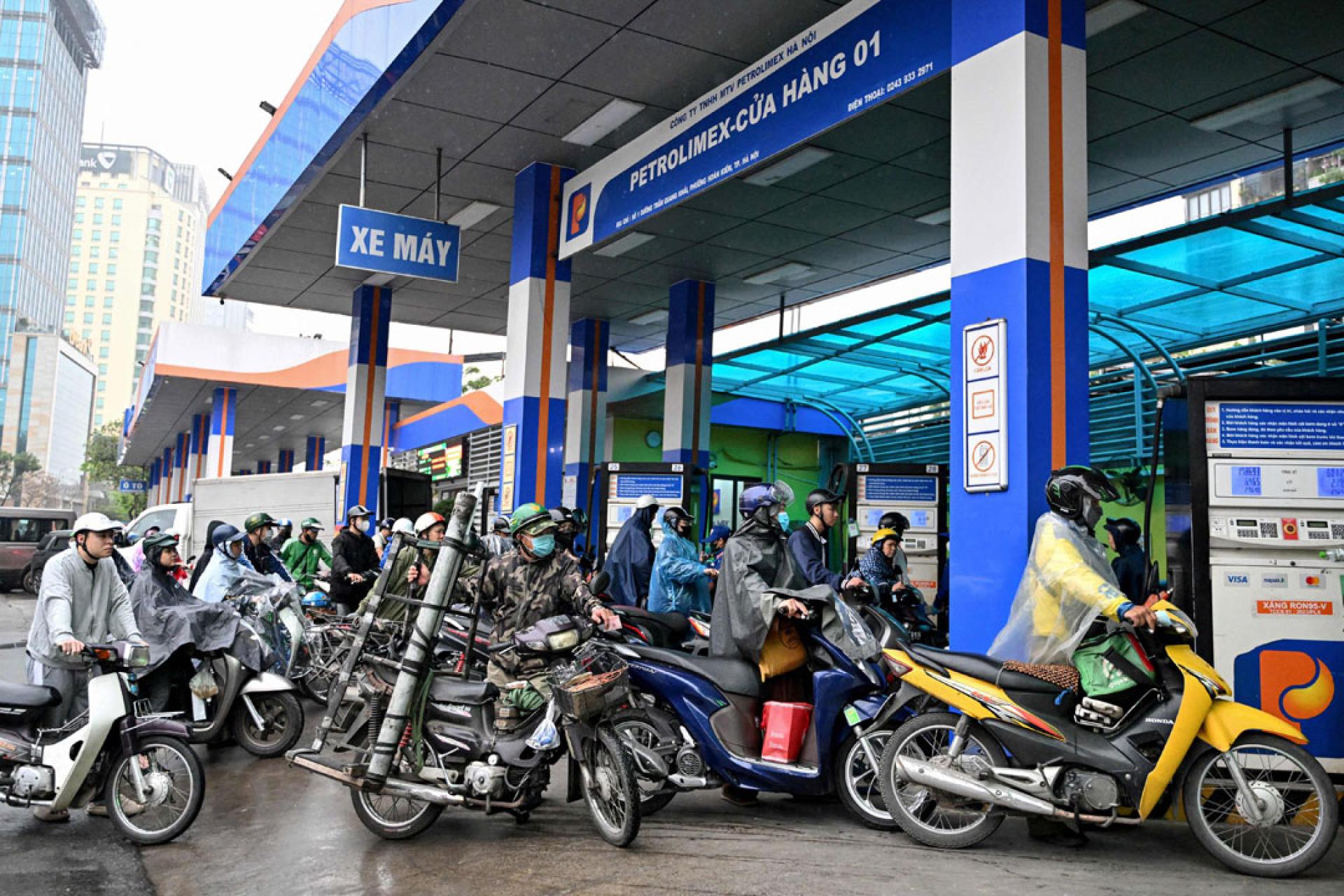
Like many ASEAN countries, Thailand is highly dependent on energy imports, especially crude oil and natural gas from the Middle East. Thai authorities have already ordered a suspension of most oil exports as of the 1st, and have frozen domestic diesel retail prices since the 3rd, setting the price at 29.94 baht per liter for a period of 15 days. Furthermore, as of the 5th, taxi and ride-hailing platforms have been prohibited from raising fares.