It is widely believed Singapore was 'kicked out' of Malaysia – Lee Hsien Loong: The causes of the two countries' separation were multiple and complex
Published atDec 08, 2025 04:13 pm
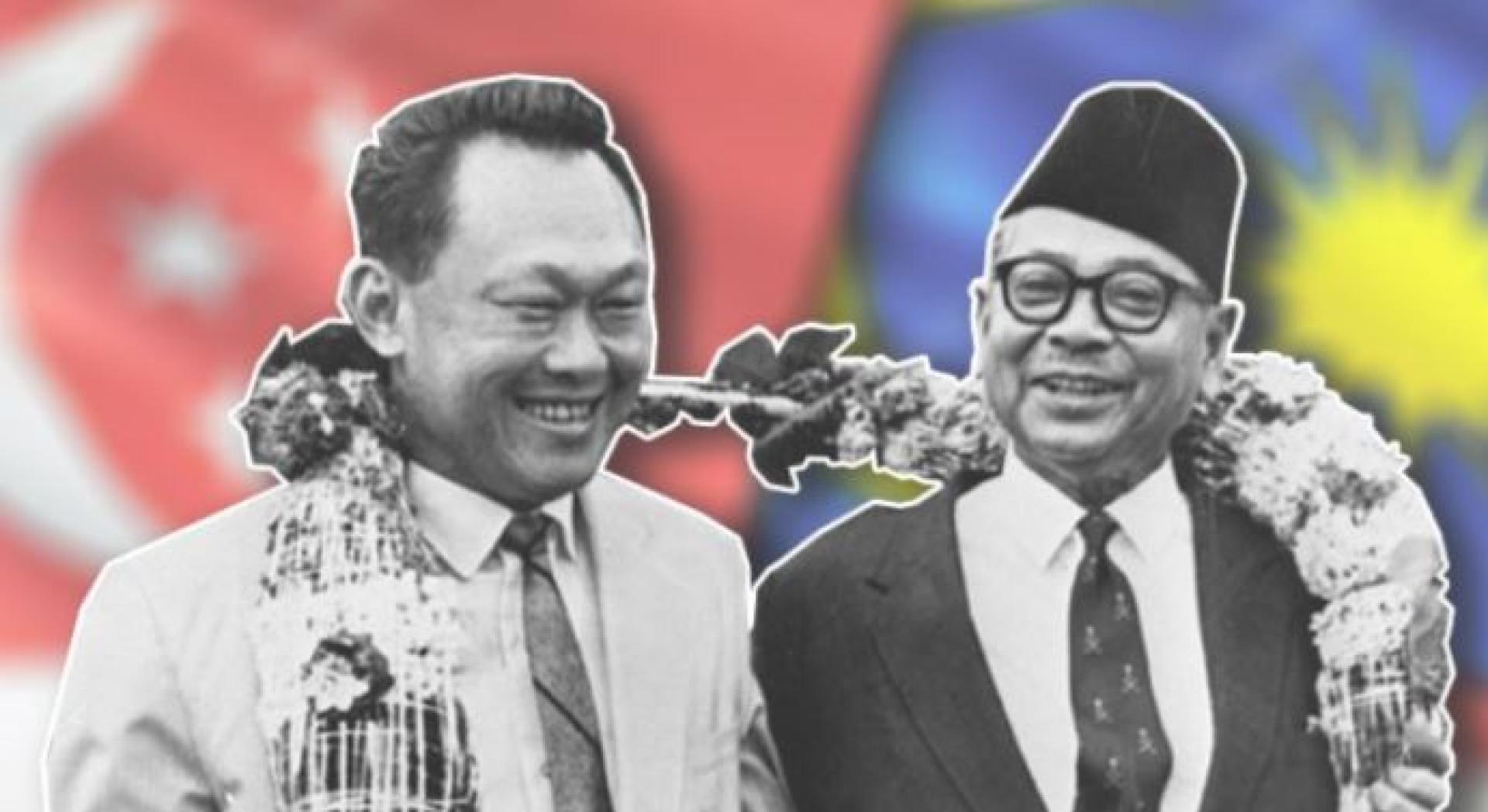
It is widely understood that the separation between Malaysia and Singapore was a decision made by then Malaysian Prime Minister Tunku Abdul Rahman, effectively 'kicking out' Singapore from Malaysia. However, the 'Albatross Files' reveal that the decision behind the separation involved multiple and complex factors, and was ultimately a joint decision reached through negotiations between the leaders of both countries.
The 'Albatross Files', compiled by Singapore founding father Goh Keng Swee, collect key documents from the process of separation and are an essential resource for understanding this chapter of history.
According to reports by Lianhe Zaobao, Singapore Senior Minister Lee Hsien Loong noted that the 'Albatross Files' comprehensively depict the entire separation process, including cabinet documents, analyses of key issues, strategic considerations of all parties, and the political struggles that emerged after the merger.
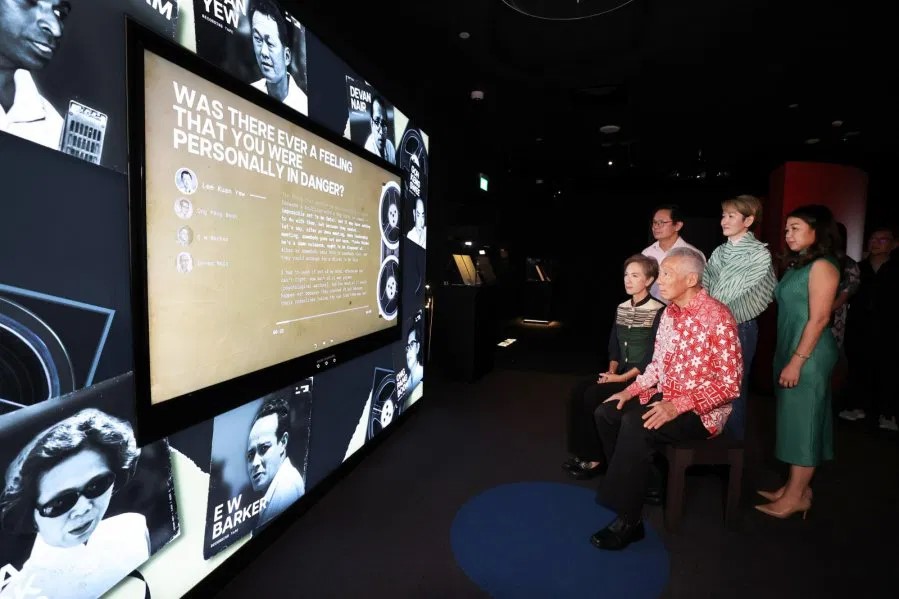
At the opening ceremony of the permanent exhibition 'The Albatross Files: Decoding Independence' yesterday, he delivered a keynote address detailing the historical context of the time and the roles of key figures.
The archives document in detail that Singapore and Malaysia explored the possibility of establishing a looser federation at the time, and also include records of communications between Malaysian leaders and British and Australian envoys.
Notably, they include handwritten meeting notes by Goh Keng Swee and then Malaysian Deputy Prime Minister Tun Razak, as well as a number of Malaysian leaders, showing that the separation was not a unilateral decision, but rather the result of negotiations by both sides.
Lee Hsien Loong mentioned in his speech that, as the son of founding Prime Minister Lee Kuan Yew, he witnessed the separation as a child, and was once overcome with emotion. He revealed that when he became Prime Minister, he decided to make public the 'Albatross Files' and related oral histories so that this pivotal history, which shaped Singapore's destiny, would be fully presented. 李显龙(坐者右)在《信天翁档案:解密独立史》展览厅上,聆听新马分家口述历史。(取自李显龙面子书)出席。Goh Keng Swee as the 'architect of separation'
The files show that Goh Keng Swee believed that the merger between Singapore and Malaysia was not sustainable either politically or economically, and thus, during several key negotiations between July 15 and August 7, 1965, consistently aimed for 'separation'. While Lee Kuan Yew instructed initially to try to reach a looser constitutional arrangement with Malaysia, Tun Razak eventually expressed his hope that Singapore would completely leave. Lee Kuan Yew then accepted the decision and resolutely implemented a 'bloodless coup', bringing about the split.
It was not until 1994, when Lee Kuan Yew reviewed Goh Keng Swee's oral history, that he discovered it was actually Goh Keng Swee, not Tun Razak, who originally proposed the separation. For this reason, Lee Hsien Loong called Goh Keng Swee the 'architect of Singapore-Malaysia separation.'
The separation: The best thing Singapore has ever experienced
Lee Hsien Loong said that although the process was arduous and extremely risky, the founding leaders ultimately believed it was Singapore's best way forward. After 60 years of development, Singapore's achievements today are even stronger proof of the wisdom of their historical decision.
He emphasized that the separation was not a predestined outcome, but a difficult decision full of uncertainty. The founding leaders at the time could not even be sure if an independent island nation would survive, let alone achieve its current success.
He therefore urges the public to read 'The Albatross Files: Revealing the Inside Story of Singapore-Malaysia Separation' and visit the exhibition, to gain a deeper understanding of how Singapore became a sovereign, democratic, and independent nation on August 9, 1965.
"When you have read these documents, you will understand: none of this was inevitable, but a miracle."
This article has been translated using our AI technology. While we strive for accuracy,
AI translations
may contain errors. For the most precise information, please refer to the original article.