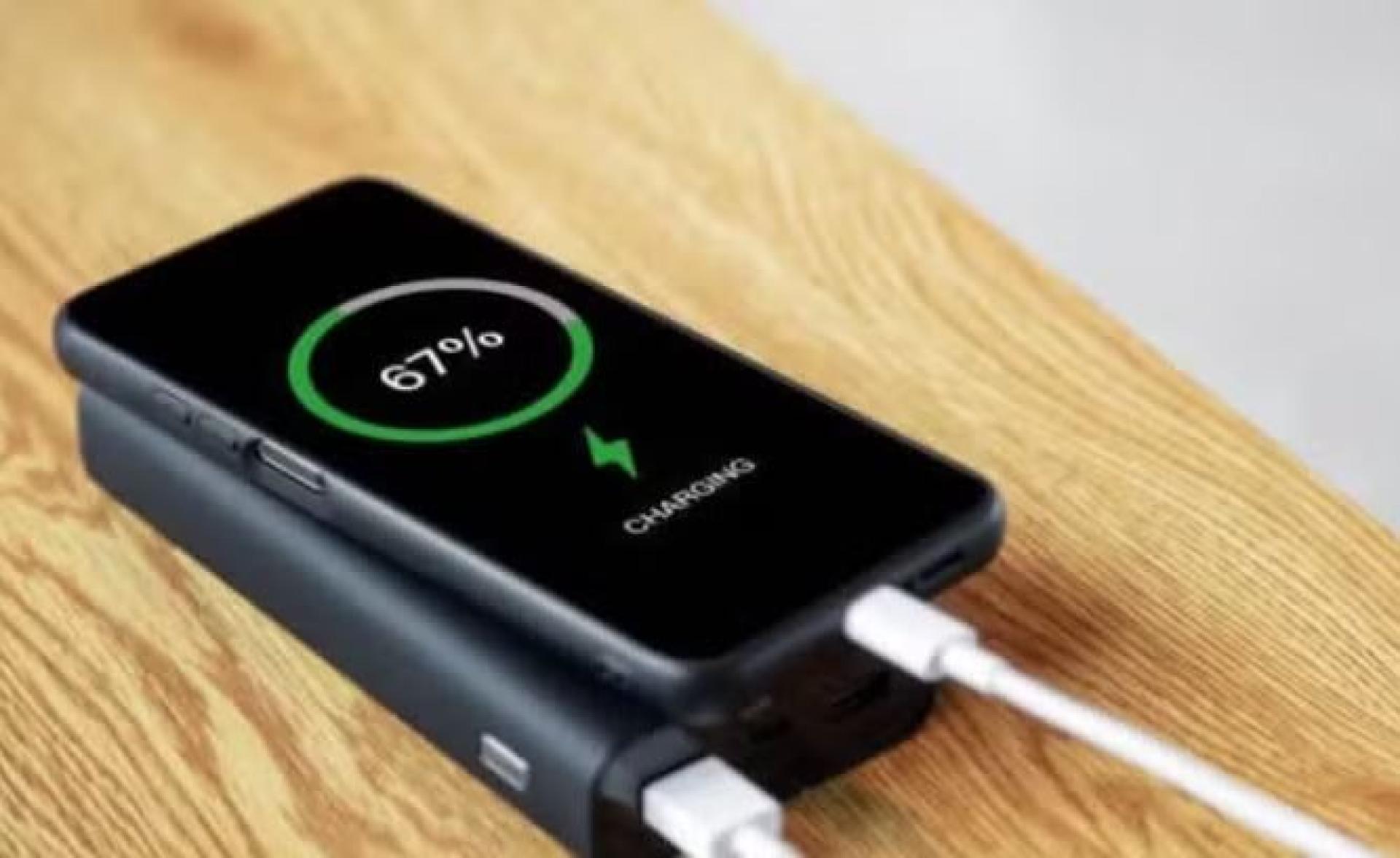
(Hanoi, 25th) – The Civil Aviation Authority of Vietnam has announced that starting July 1, 2026, stricter regulations regarding the carrying and use of power banks will be enforced, in accordance with the International Civil Aviation Organization (ICAO) technical standards, to further strengthen aviation safety management.
According to the latest regulations, each passenger may bring a maximum of two power banks on board, and these must be placed in carry-on luggage; checked baggage is not permitted.
The new rule stipulates that for power banks containing lithium metal batteries, the lithium content must not exceed 2 grams; for those using lithium-ion batteries, the rated energy must not exceed 100 watt-hours (Wh). For power banks with rated energy between 100 Wh and 160 Wh, prior approval from the airline is required before bringing them on board.
The Civil Aviation Authority of Vietnam also explicitly states that during the flight, passengers are not permitted to charge their power banks, nor use the power banks to supply power to mobile phones, tablets, or other electronic devices.
In addition, all power banks must be placed in locations easily observed by the cabin crew, and appropriate protective measures must be taken to prevent short-circuit incidents.
Authorities recommend that passengers store power banks separately in their original packaging, insulating protective bags, or dedicated storage pouches to avoid contact with metal objects.
The Civil Aviation Authority of Vietnam has also required airlines and airport operators to intensify publicity and reminders to ensure passengers are fully aware of the new regulations, to jointly maintain flight safety and reduce the risk of fires or safety incidents caused by lithium batteries.
Authorities emphasize that, as portable electronic devices become increasingly popular, strengthening the management of lithium batteries and power banks has become an important aspect of international aviation safety.
The new rule stipulates that for power banks containing lithium metal batteries, the lithium content must not exceed 2 grams; for those using lithium-ion batteries, the rated energy must not exceed 100 watt-hours (Wh). For power banks with rated energy between 100 Wh and 160 Wh, prior approval from the airline is required before bringing them on board.
The Civil Aviation Authority of Vietnam also explicitly states that during the flight, passengers are not permitted to charge their power banks, nor use the power banks to supply power to mobile phones, tablets, or other electronic devices.
In addition, all power banks must be placed in locations easily observed by the cabin crew, and appropriate protective measures must be taken to prevent short-circuit incidents.
Authorities recommend that passengers store power banks separately in their original packaging, insulating protective bags, or dedicated storage pouches to avoid contact with metal objects.
The Civil Aviation Authority of Vietnam has also required airlines and airport operators to intensify publicity and reminders to ensure passengers are fully aware of the new regulations, to jointly maintain flight safety and reduce the risk of fires or safety incidents caused by lithium batteries.
Authorities emphasize that, as portable electronic devices become increasingly popular, strengthening the management of lithium batteries and power banks has become an important aspect of international aviation safety.