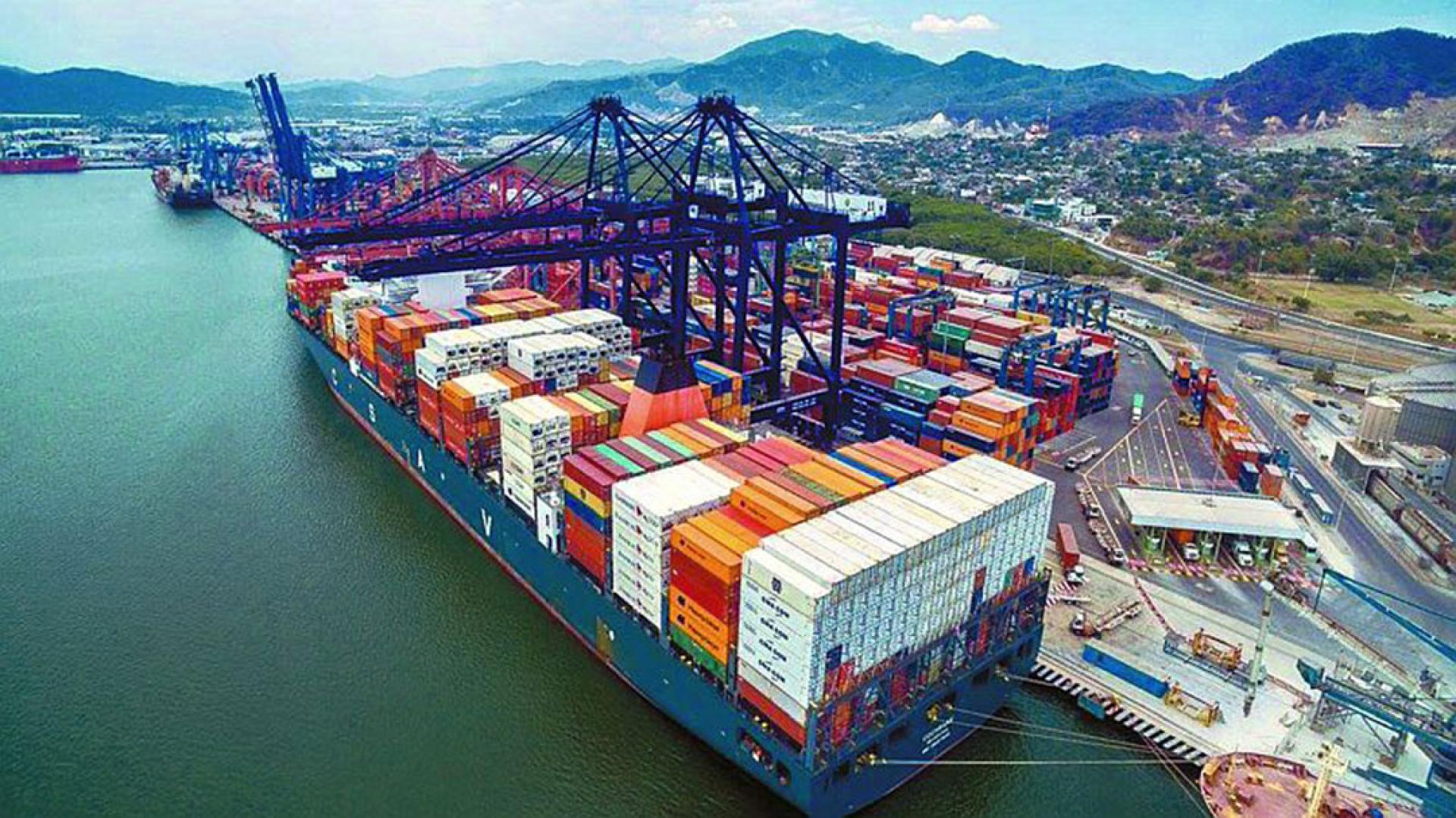
The Mexican Chamber of Deputies passed a controversial bill on the 10th, proposing to impose import tariffs of up to 50% starting next year on goods from China and other Asian countries that have not signed a free trade agreement with Mexico, including India, South Korea, Thailand, and Indonesia. Analysts view this move as Mexico's attempt to align with U.S. trade policies in preparation for the upcoming United States-Mexico-Canada Agreement (USMCA) review.
● Automotive and Textile Industries Hit First
According to foreign media reports, the bill passed in the Chamber of Deputies with 281 votes in favor, 24 against, and 149 abstentions. Aimed at strengthening domestic production and addressing Mexico's significant trade deficit, the bill will impose tariffs on products such as automobiles, auto parts, textiles, apparel, plastics, and steel. Among these, most tariff rates are set at 35%.
The bill was first proposed in September and will next be sent to the Senate for a vote. It must be approved by the Senate before it can be formally implemented.
● Analysts Say Move Aims to Appease the U.S. and Avoid Becoming an "Export Hub"
Analysts believe Mexico's move to impose tariffs on Asian countries is mainly aimed at meeting U.S. demands and paving the way for the pending USMCA review. U.S. Trade Representative Katherine Tai last Thursday publicly stated that Canada and Mexico should not be used as "export hubs" for China and other Asian countries, implying that these North American trade partners must take measures to restrict Asian goods from entering the U.S. market via their borders.
China has long been Mexico's largest source of trade deficit. After implementation of the new tariffs, the costs for Chinese and other named Asian countries' products entering the Mexican market will increase sharply, encouraging Mexican companies to shift their sourcing to domestic or North American suppliers.
● Strong Opposition from China and Mexican Business Community
Despite passing the Chamber of Deputies, the bill had already faced strong opposition from China and Mexican business groups before the vote.
China's Ministry of Commerce previously issued a statement saying that amid rampant U.S. tariff practices, all countries should jointly oppose all forms of unilateralism and protectionism. China stressed that "no country should sacrifice the interests of a third party under coercion from others." Mexican business groups fear the increased tariffs may lead to higher domestic production costs and harm Mexico's position in the global supply chain.