Malaysia Reaffirms Commitment to Promoting ASEAN Social Progress, Advocates for AI and Youth Innovation to Address Population Ageing
Published atMar 06, 2026 08:20 am
(Manila, 5th) Malaysia today reiterated its commitment to promoting regional socio-cultural development at the 35th ASEAN Socio-Cultural Community (ASCC) Council Meeting, by proposing forward-looking solutions to ensure that ASEAN cooperation delivers tangible benefits to the people of the region.
The Malaysian delegation was led by Deputy Minister of Tourism, Arts and Culture, Khairul Firdaus Akbar Khan, on behalf of Minister Dato Sri Tiong King Sing.
During the meeting, Khairul Firdaus praised the Council Chair for consistently hosting the ASEAN Socio-Cultural Community High-Level Forum. The forum, first launched during Malaysia’s chairmanship of the ASCC last year, provided an important platform for ministers from different countries to exchange views on emerging issues, moving beyond the limitation of only two closed-door meetings per year.
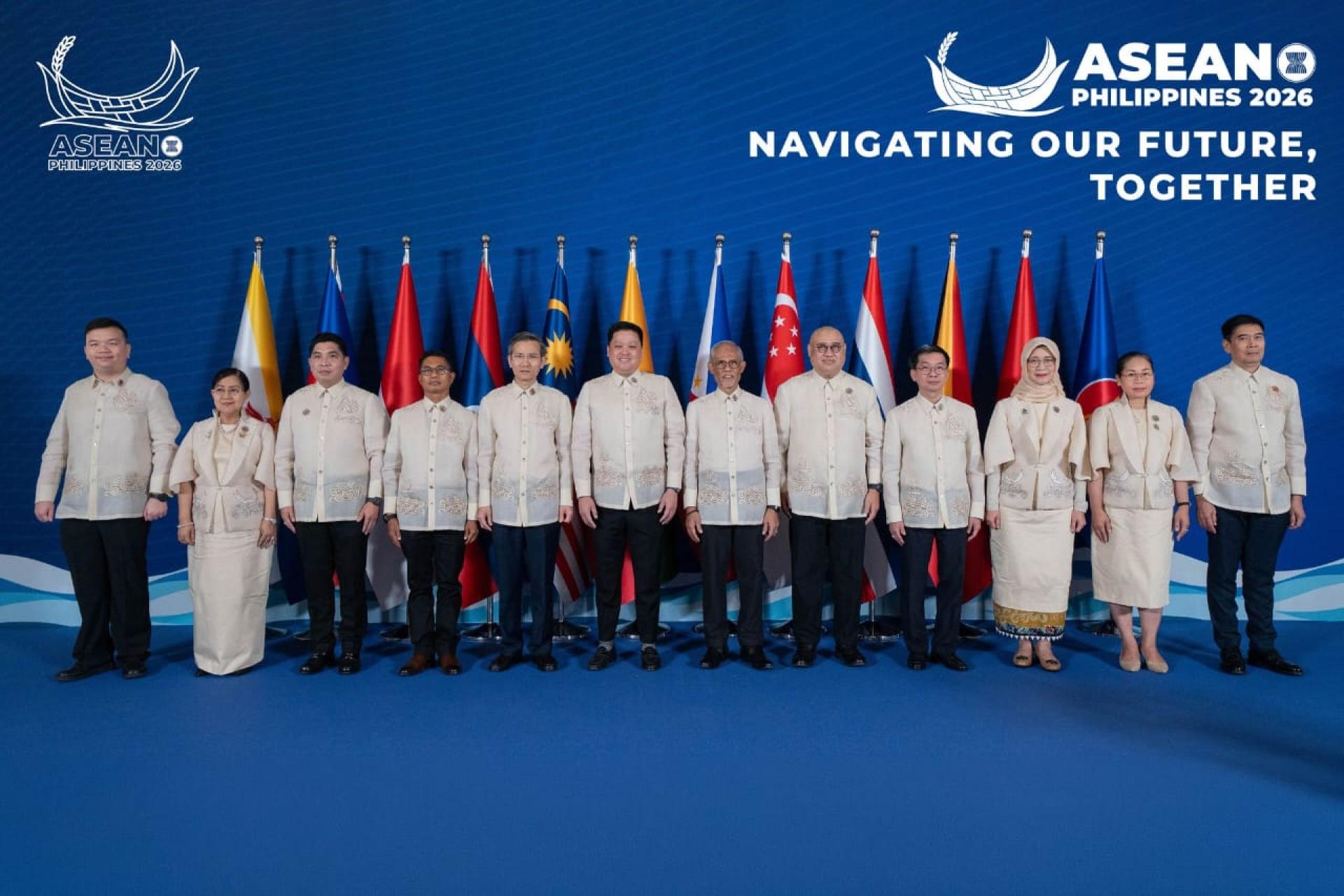
This meeting was chaired by Philippine Social Welfare and Development Secretary Rex Gatchalian, with participants including ministers of the ASEAN Socio-Cultural Community Council from member states, regional representatives, and ASEAN Secretariat officials.
During the meeting, Malaysia emphasized that regional commitments must be translated into measurable outcomes. While the Council set 44 deliverable targets this year, Malaysia pointed out that true success should be reflected in improving people's lives, strengthening social security systems, and enhancing the overall well-being of the ASEAN community.
Meanwhile, Malaysia also welcomed Timor-Leste's debut participation in the ASCC Council meeting as ASEAN’s 11th member state, describing it as a significant milestone for strengthening regional unity and inclusiveness.
To advance the regional socio-cultural agenda, Malaysia proposed four strategic directions in alignment with ASCC priorities for 2026 and the ASEAN Community Vision 2045. These include: promoting the application of artificial intelligence in education, healthcare, and social security; encouraging youth-led innovation; accelerating climate action and enhancing disaster resilience; and strengthening governance and transparency through data-driven policies.
In addition, Malaysia expressed concern over the declining population growth rate and increasing population ageing trend in ASEAN. In its view, besides tackling the challenges of ageing, ASEAN should also create an enabling environment for senior citizens to continue actively participating in social development through lifelong learning, flexible employment, entrepreneurship, and volunteer services.
Malaysia reaffirmed its commitment to continue playing a constructive and principled partner role in building a united, resilient, and people-centered ASEAN community, guided by the values of ‘Malaysia MADANI’, working together towards regional unity and sustainable prosperity.
Group photo of representatives of ASEAN member states' ASCC Council.
This article has been translated using our AI technology. While we strive for accuracy,
AI translations
may contain errors. For the most precise information, please refer to the original article.
,-Arts-and-Culture-reaffirms-Malaysia's-commitment-to-workin-losely-with-all-ASEAN-Member-States-in-the-spirit-of-solidarity-and-shared-responsibility.--fhd.jpg)