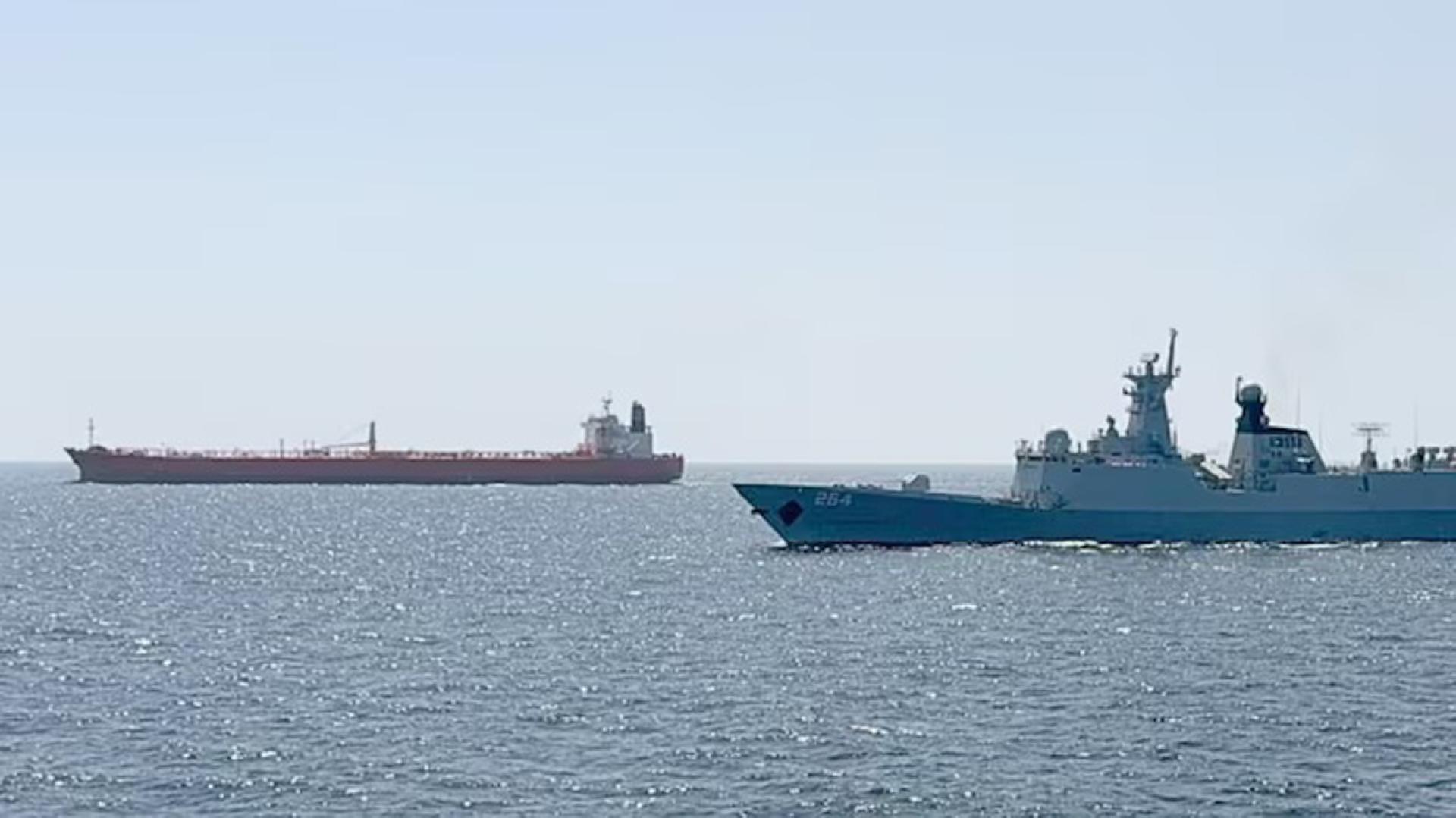
The United Nations Conference on Trade and Development (UNCTAD) stated that the escalating situation in the Middle East is disrupting transportation through the Strait of Hormuz, with an impact far beyond the region, affecting energy markets, maritime shipping, and global supply chains.
According to Xinhua News Agency, UNCTAD released a report on the 10th, pointing out that the Strait of Hormuz is a key global energy transport route, carrying about 25% of the world's seaborne oil trade as well as large volumes of liquefied natural gas and fertilizer shipments. Disruptions to shipping through the Strait of Hormuz have already pushed up energy and fertilizer prices, and shipping costs—including freight, marine fuel, and insurance—are also on the rise, leading to increased transportation costs across the entire supply chain. These factors may drive up food prices and affect the daily lives of people in some countries and regions, with the impact on the most vulnerable economies being particularly severe.
The report emphasized that developing economies are especially at risk. Some developing economies are burdened with heavy debt and have limited fiscal space, making them ill-equipped to absorb new price shocks.
The report noted that the overall impact of the escalating Middle East situation on the global economy will depend on the duration and scale of shipping disruptions in the Strait of Hormuz. The current situation should be continuously monitored, with particular attention to the impact on vulnerable economies.