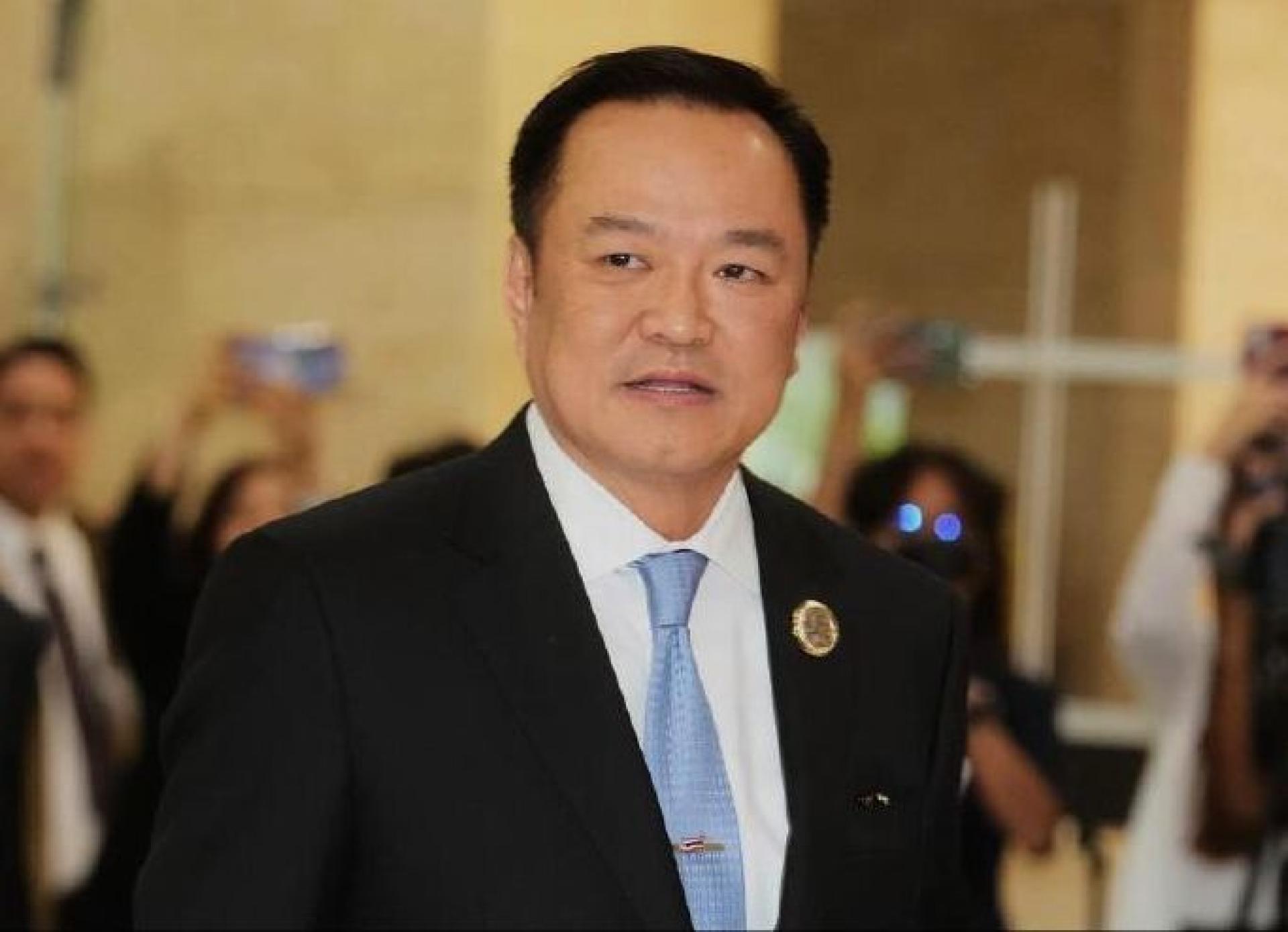
Thai Prime Minister and Interior Minister Anutin stated to the media on the 10th that U.S. President Trump has not yet contacted or coordinated with the Thai side through official channels regarding the Thai-Cambodian conflict.
On the 10th, U.S. President Trump told the media at the White House that he expects to have talks with the leaders of Thailand and Cambodia on the 11th and will call on the two countries to stop their border conflict.
Anutin emphasized that calls between leaders of the two countries normally require advance diplomatic arrangements. However, should the U.S. President take the initiative to call, Thailand, as a sovereign nation, will respond following diplomatic protocol and communicate accordingly, while also explaining the actual situation to the other side.
However, he also pointed out that Trump could not possibly know more about the specific situation at the Thai-Cambodian border than the Thai Prime Minister himself.
When asked whether a call from Trump could immediately end the conflict, Anutin made it clear that these are two different matters.
He said that affairs along the Thai-Cambodian border are, in essence, a bilateral issue between the two countries. Although it is commendable that Trump, as the head of a nation, expresses a desire to promote peace, the Thai side will also explain the background and reasons for the conflict to him. However, any high-level dialogue needs to be coordinated in advance and cannot be initiated at will by leaders. Both parties need to prepare for the discussion topics. If a call is held, the Thai side will arrange for the Foreign Minister to participate, and if necessary, will also invite the Chief of Defence Forces, Defense Minister, and other relevant officials to join. The entire process will remain open and transparent.
Regarding the question, "If Trump demands both sides return to the negotiating table, will the Thai side agree?" Anutin replied that the Thai side must first explain the current situation fully to the other party.
He reiterated that military action is within the jurisdiction of the armed forces, and he himself has not shifted the decision-making responsibility to the military. At present, it is a time for nationwide unity and mutual support.
As for the stance of China, Anutin pointed out that China has not yet contacted the Thai side on this issue. If there is an intention to make contact, it should also proceed through the Ministry of Foreign Affairs. After contact is made, the Thai Foreign Ministry will report back to the Prime Minister.
Anutin said that this conflict was first provoked by the Cambodian side, which first inflicted harm on the Thai military and failed to comply with the joint declaration between the two sides. As for whether military actions will continue until "one side achieves final victory," Anutin said he could not answer, as this falls within the responsibilities of the security agencies.
He also said he could not predict whether the conflict would end by the New Year.