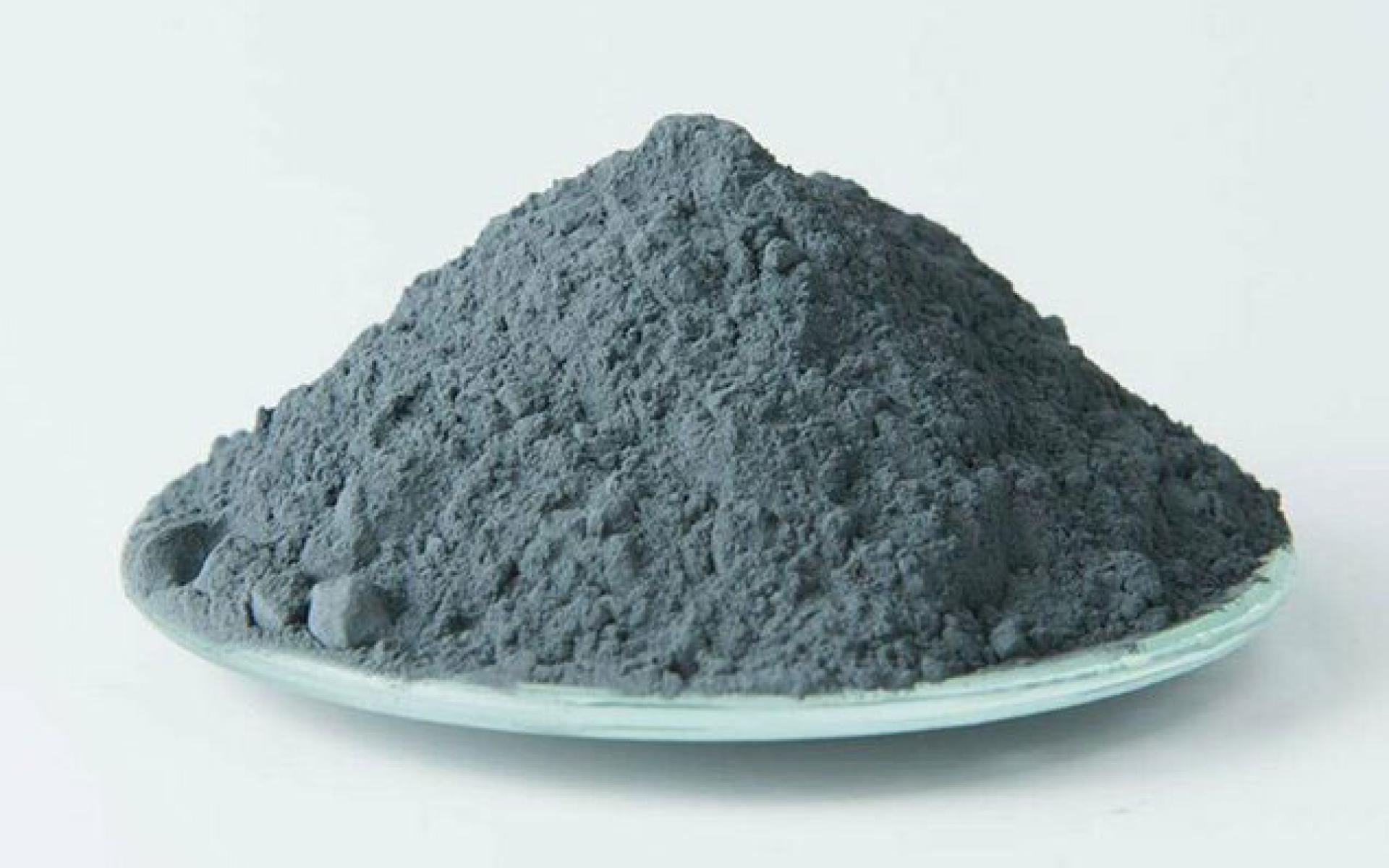
On Sunday, Taiwan’s Kyodo News Agency reported that under ongoing deterioration of Japan-China relations, China’s exports of tungsten metal products such as tungsten carbide and tungsten powder to Japan dropped to zero from February to April. Japanese companies have had no choice but to purchase such products from other countries at more than three times the price, and are working to strengthen recycling in response. Tungsten is one of the rare metals needed for manufacturing automobiles, cutting tools, and even weaponry.
The above data comes from China’s General Administration of Customs statistics. Meanwhile, Haru Inoue, President of Sumitomo Electric Industries, stated as early as May that “procurement of tungsten from China has completely stopped,” expressing a sense of crisis over the situation.
Tungsten, known for its high hardness, is often used to manufacture cutting metal drill bits and other tools. Sumitomo Electric produces such tools for processing automobiles and aircraft, with approximately 30% of its raw materials previously imported from China.
Although Sumitomo Electric Industries is promoting the procurement of tungsten metal products from the United States, with increased costs, the company has already raised the prices of related tools, with the largest price hikes reaching as much as 60%.
In addition to Sumitomo, for orders accepted from June, Mitsubishi Materials has raised the price of tungsten-containing cemented carbides to more than three times the previous level.
The report points out that, like rare earths needed for magnets, tungsten is one of the dual-use materials controlled by China and is an indispensable raw material for shells and missiles. China accounts for about 80% of global output.
Under these circumstances, Japanese companies are striving to recycle raw materials from used tools to promote material circularity. Sumitomo Electric, for example, is investing about 16 billion yen (around 400 million ringgit) to build a new plant in Toyama, Japan, to strengthen its recycling system. Mitsubishi Materials also plans to greatly enhance its recycling capacity at its Akita plant in Japan and its plant in Germany.