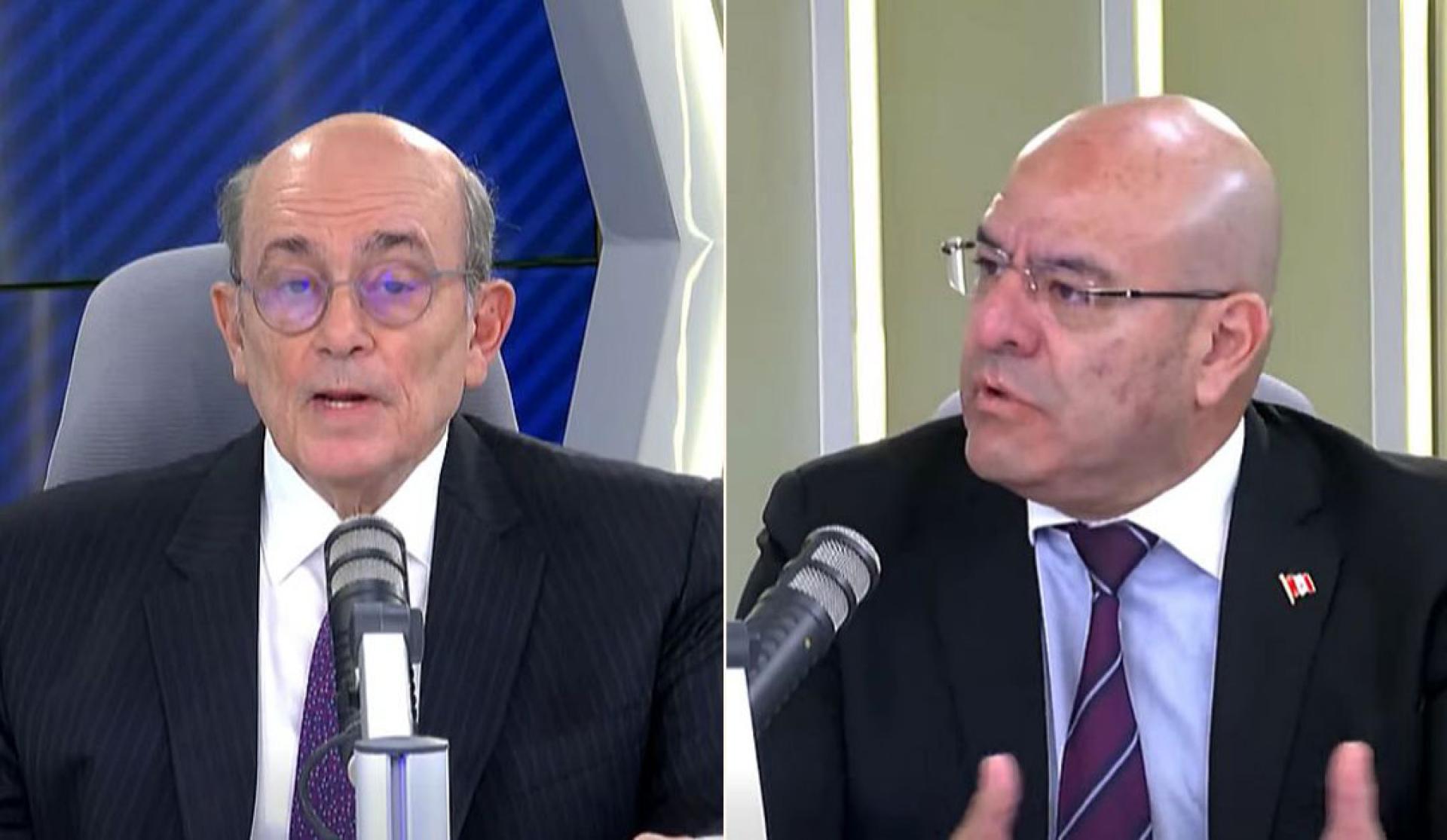
Peruvian President Balcarzar recently announced the postponement of the U.S. F-16 fighter jet purchase, prompting pressure from the U.S. side. Peru’s Defense Minister Diaz and Foreign Minister De Sella both resigned on the 22nd in protest of Balcarzar’s decision.
The two ministers stated that the F-16 fighter jet procurement contract had already been signed, but Balcarzar declared the deal would be delayed, leaving the final decision to the next government. Peru planned to spend US$3.5 billion (about RM13.828 billion) to purchase 24 F-16 fighters.
In an interview with the media, De Sella pointed out that postponing the purchase would damage the country’s credibility and make Peru an unreliable partner in negotiations.
Diaz stated that he resigned because he disagreed with the suspension of the fighter jet procurement, and that the purchase pertained to the strategic needs of national security and defense.
Balcarzar responded that the postponement of the U.S. jet purchase was meant to ensure public funds are used reasonably and appropriately, stressing that he had no intention of confronting the United States.
On the 17th, Balcarzar said that the arms deal was immense in scale and would impose a very heavy debt burden on the country, recommending it be handled by the new government. In response, U.S. Ambassador to Peru Navarro posted on social media, threatening that if the Peruvian government lacks sincerity in negotiations with the U.S. and harms U.S. interests, he—as a representative of the Trump administration—would use every available means to respond.
In February this year, then President Herry of Peru was impeached by Congress, and then Congress President Balcarzar assumed the presidency to lead the transitional government until the new president takes office in July this year.