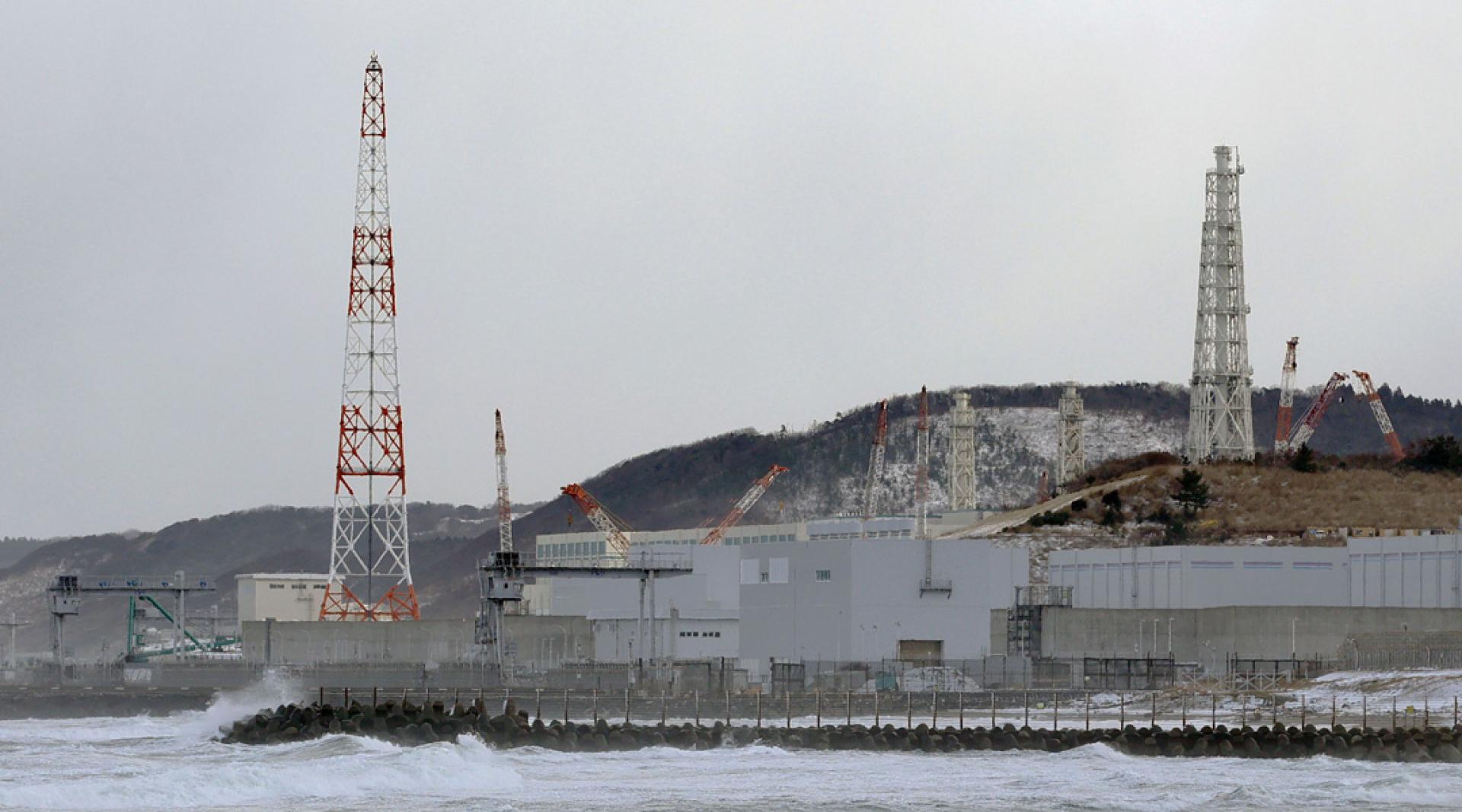
Tokyo Electric Power Company (TEPCO) announced on the 9th that the temporarily shut down No. 6 reactor at the Kashiwazaki-Kariwa Nuclear Power Plant, closed for investigation into a malfunction, was restarted on the 9th.
The company, which operates the nuclear plant, released a press statement noting that at 2 PM local time on the 9th (1 PM Malaysian time), it began withdrawing the reactor's control rods to start up the reactor.
According to the plan, the reactor will reach a critical state within the day on the 9th, with test power generation and transmission beginning on the 15th. Afterwards, TEPCO will shut down the reactor again to inspect various equipment; if no issues are found, a “comprehensive load performance check” will be carried out on March 18th, followed by the start of commercial operations.
The Kashiwazaki-Kariwa No. 6 unit was restarted on January 21st. This marks the first restart of a TEPCO-operated nuclear plant since the Fukushima Daiichi nuclear disaster triggered by the March 11, 2011 East Japan Great Earthquake. However, in the early morning on January 22nd, during the withdrawal operation of the reactor’s control rods, an alarm was sounded. To investigate the cause of the fault, TEPCO decided on the 22nd to temporarily shut down the No. 6 unit.
In a press conference on the 6th, TEPCO stated that the cause of the recent fault was an overly sensitive frequency converter setting, which caused normal current fluctuations to be mistakenly identified as abnormal, thus triggering the alarm. This frequency converter is used to adjust the motor speed that drives the control rods. As there is another alarm system for the control rods, TEPCO determined that the frequency converter’s alarm is not essential for ensuring safety, so it was disabled.