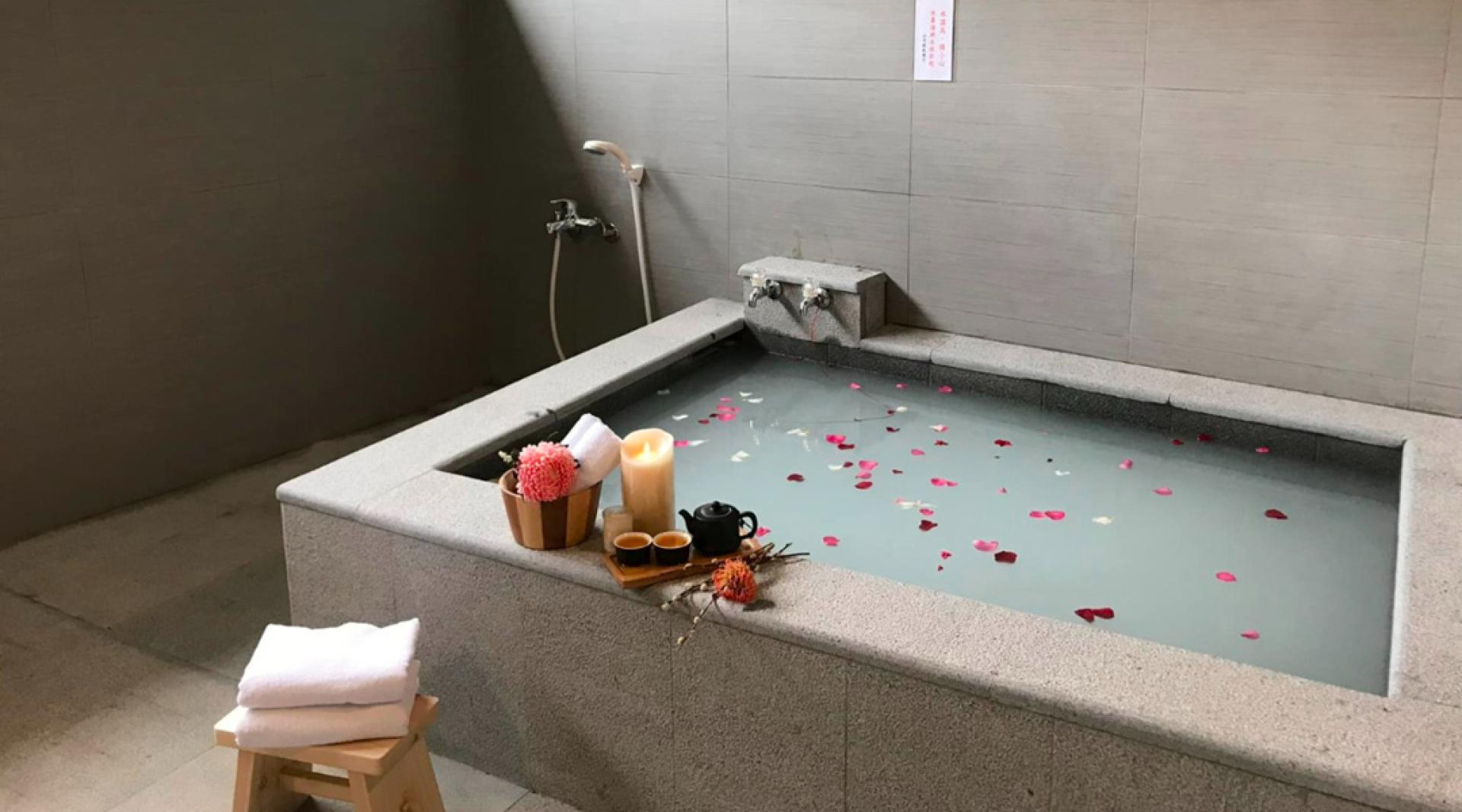
A couple in Taiwan died unexpectedly while soaking in a hot spring. A preliminary forensic investigation has ruled out external force. Forensic expert Kao Ta-cheng surmises that the likely cause was inhalation of excessive hydrogen sulfide released from the hot spring. He explained that stirring the hot spring water can release a high concentration of sulfide, and if the room is poorly ventilated, a concentration of 700 PPM can be fatal within just four seconds. He cautioned that anyone who detects a 'rotten egg odor' while soaking should immediately flee outdoors.
On the afternoon of the 8th, a tragic incident occurred at a hot spring bathhouse in Beitou District, Taipei City. A couple was found unresponsive, collapsed respectively inside and outside the bath. When rescue personnel arrived, they confirmed that the 46-year-old woman surnamed Kuo inside the bath had already died, and the 46-year-old man surnamed Lee outside the bath was pronounced dead after emergency treatment at the hospital. Police have sealed off the scene and notified prosecutors to conduct an autopsy to determine the precise cause of death.
Kao Ta-cheng stated that sulfides dissolve in water, and if no one has used the hot spring initially, later bathers entering and stirring the water—combined with poor ventilation—make poisoning more likely. If indoor sulfide concentration reaches 700 PPM, a person can die within just four seconds; at concentrations of 100 to 500 PPM, a smell like rotten eggs will appear. If you smell rotten eggs, you need to run away immediately. Therefore, it is critical to pay attention to ventilation when bathing in hot springs.
He added that carbon monoxide poisoning causes the skin to appear pink, while sulfide poisoning causes the cadaveric lividity to appear brown or dark purplish-red, making it easy to distinguish between the two.
Kao Ta-cheng also noted that Taiwanese people love hot spring bathing, but those over 50 or 60 years old should not try going from a hot pool straight into an ice bath, as the sudden temperature change can cause the heart and blood vessels to spasm, resulting in death. He also cautioned against bathing after drinking, as alcohol dilates blood vessels, and the rapid constriction or dilation of blood vessels can be fatal.