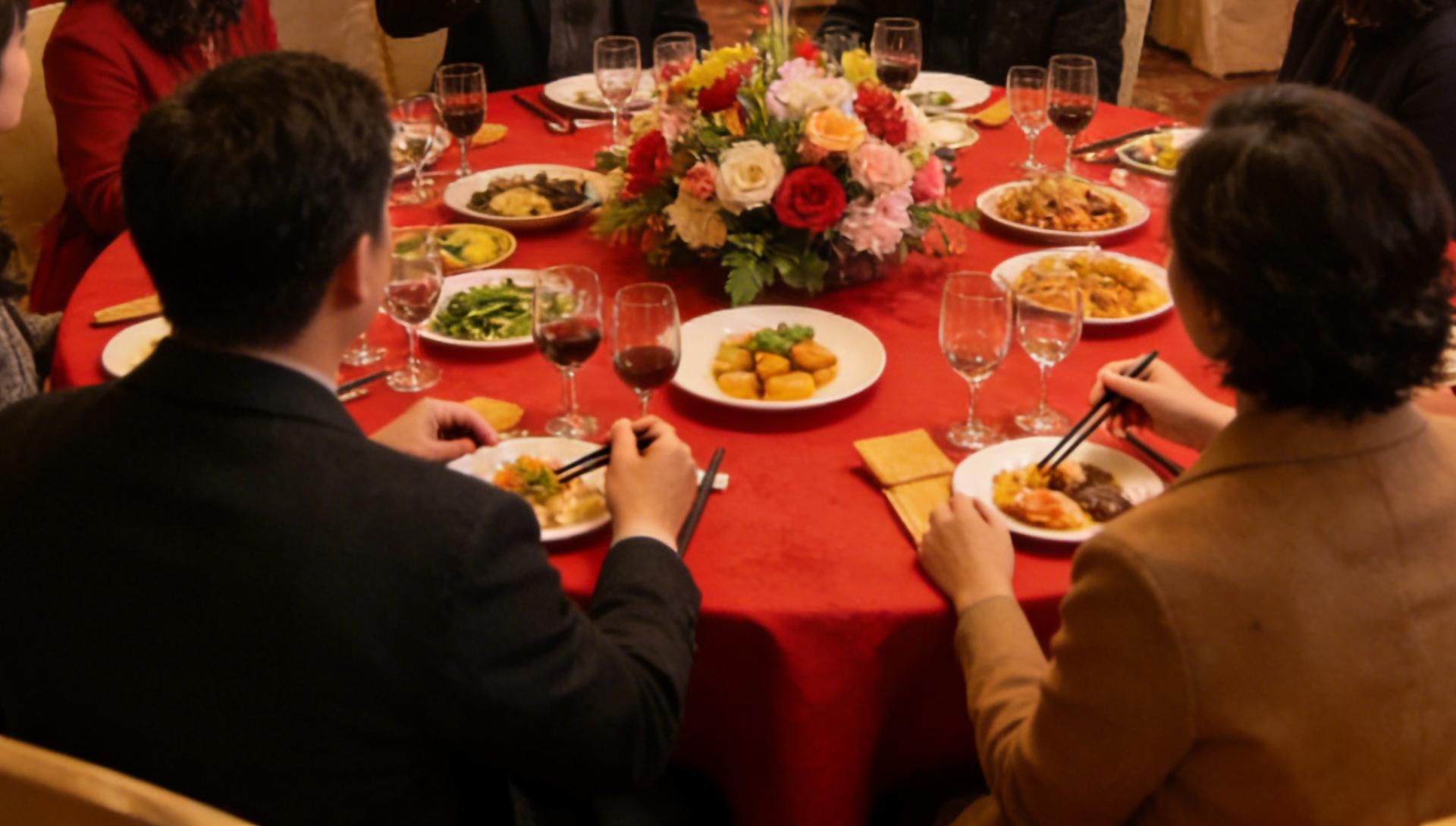
Recently, a Taiwanese netizen shared a workplace incident on the community forum Dcard: a newcomer who had been with the company for only three months was lucky enough to win the top prize of NT$100,000 (about RM12,000) at the company’s year-end party. During the event, the manager had said, “Whoever wins the top prize should treat the whole company to chicken cutlets.” Unexpectedly, when the newcomer returned to work on Monday, he made it clear, “I don’t want to treat,” which left the poster stunned and criticizing: “Don’t you know how to behave in society?”
According to the post, the company isn’t big, with fewer than 50 employees in total. The manager’s suggestion about “treating chicken cutlets if you win the top prize” at the banquet seemed to be an unspoken consensus at the scene. However, the newcomer explicitly refused to treat the following week, which immediately sparked discussion within the company.
The post quickly ignited fierce debate among netizens after it was exposed.
Those supporting the “treat” side believe that while it’s not an obligation, it is a common social practice in the workplace that helps maintain relationships: “Certainly doesn’t know how to get along; spending a little for goodwill is a bargain,” “People like this won’t have friends at the company in the future.”
Meanwhile, those siding with the newcomer emphasized ownership of the prize money and personal autonomy: “Why should he have to spend it on you? If he won, it’s his money—why force someone to treat?” “Maybe he’ll leave soon and doesn’t want to deliberately foster relationships.”
Some netizens also turned their criticism towards the manager and workplace culture: “If the manager can’t even part with such a small amount, who would want to work under him?” “These outdated customs should be changed; senior employees shouldn’t act like they’re begging for food.”
Some even joked that the poster could show their own generosity and emotional intelligence—it’s also okay for those who didn’t win to treat everyone.