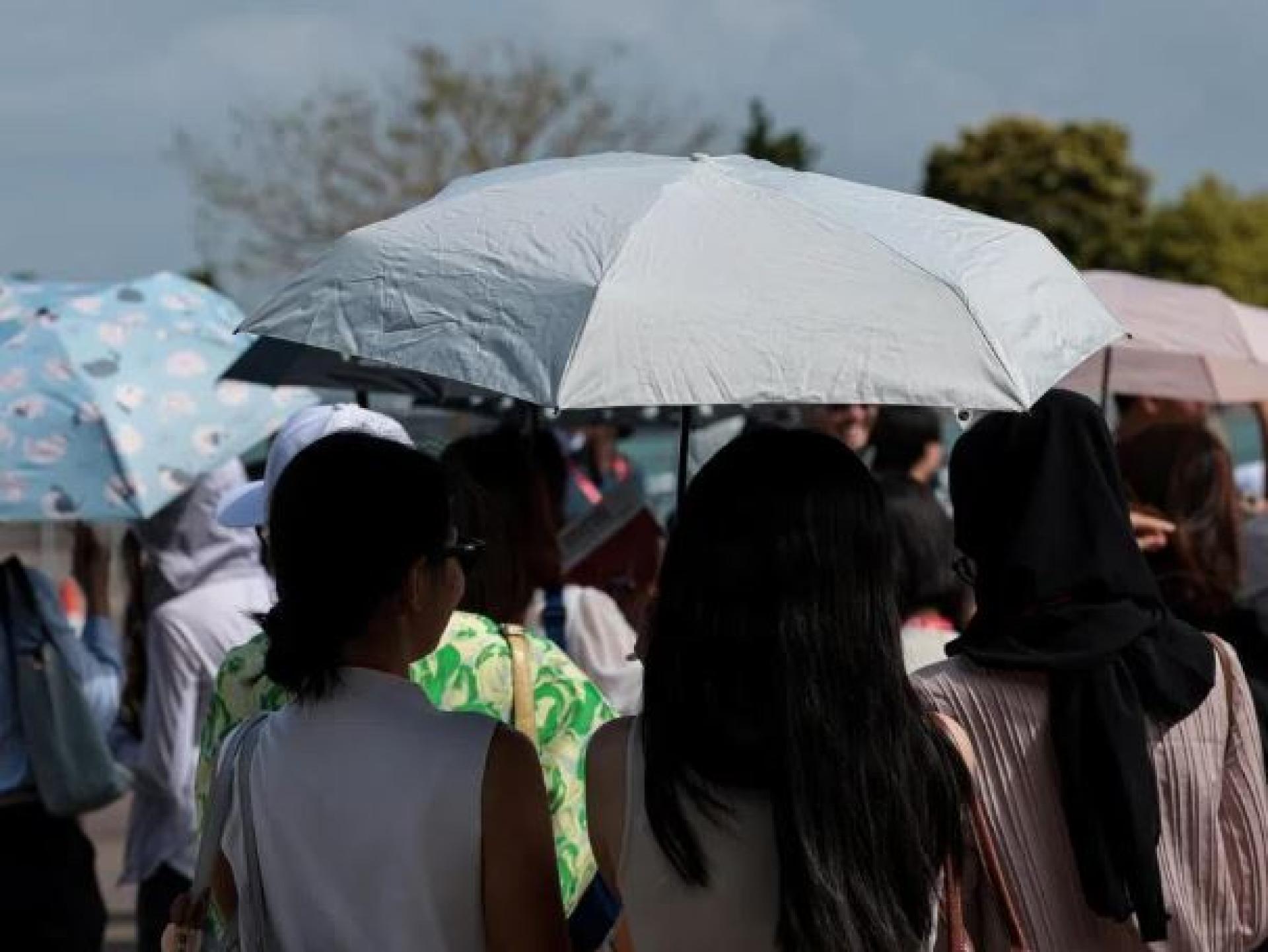
The US-Iran conflict is tightening the global energy supply chain, while Southeast Asia is about to enter a period of hotter-than-average weather, which may further drive up fuel-fired power generation demand.
According to Bloomberg, the ASEAN Specialized Meteorological Centre (ASMC) issued a seasonal forecast on March 6th indicating that, from March to May this year, most island and inland areas of Southeast Asia will see temperatures above historical averages.
In particular, the probability of abnormal high temperatures in Indonesia and Malaysia is as high as 80% to 100%.
This forecast comes as the situation in the Middle East deteriorates. Due to the war, energy production and transport in the Middle East are being disrupted, and international oil prices have surpassed $100 per barrel.
For Southeast Asian countries that are heavily reliant on fossil fuel power generation, the peak electricity usage periods of April and May could pose severe challenges to power grid loads.
Singapore's Energy Market Authority (EMA) has warned that in 2025, more than 40% of Singapore’s liquefied natural gas imports will come from Qatar. Last week, the country’s largest export facility shut down due to the conflict, which could lead to higher electricity rates in Singapore in the second quarter.
Additionally, international oil prices jumped over 25% last week, meaning that local consumers and businesses may soon face a new round of gasoline price hikes.
With Asian spot prices for natural gas doubling last week, Vietnam and Thailand have made emergency purchases of liquefied natural gas shipments on the spot market for March and April. Thailand has also adjusted its procurement plans, buying three more spot batches to handle the upcoming surge in electricity demand.
Meteorological forecasts show that, apart from Singapore, Malaysia, Indonesia, Thailand, and Vietnam, only Vietnam’s southeast region, Cambodia, and parts of the Philippines are expected to see temperatures near normal levels.
In particular, the probability of abnormal high temperatures in Indonesia and Malaysia is as high as 80% to 100%.
This forecast comes as the situation in the Middle East deteriorates. Due to the war, energy production and transport in the Middle East are being disrupted, and international oil prices have surpassed $100 per barrel.
For Southeast Asian countries that are heavily reliant on fossil fuel power generation, the peak electricity usage periods of April and May could pose severe challenges to power grid loads.
Singapore's Energy Market Authority (EMA) has warned that in 2025, more than 40% of Singapore’s liquefied natural gas imports will come from Qatar. Last week, the country’s largest export facility shut down due to the conflict, which could lead to higher electricity rates in Singapore in the second quarter.
Additionally, international oil prices jumped over 25% last week, meaning that local consumers and businesses may soon face a new round of gasoline price hikes.
With Asian spot prices for natural gas doubling last week, Vietnam and Thailand have made emergency purchases of liquefied natural gas shipments on the spot market for March and April. Thailand has also adjusted its procurement plans, buying three more spot batches to handle the upcoming surge in electricity demand.
Meteorological forecasts show that, apart from Singapore, Malaysia, Indonesia, Thailand, and Vietnam, only Vietnam’s southeast region, Cambodia, and parts of the Philippines are expected to see temperatures near normal levels.