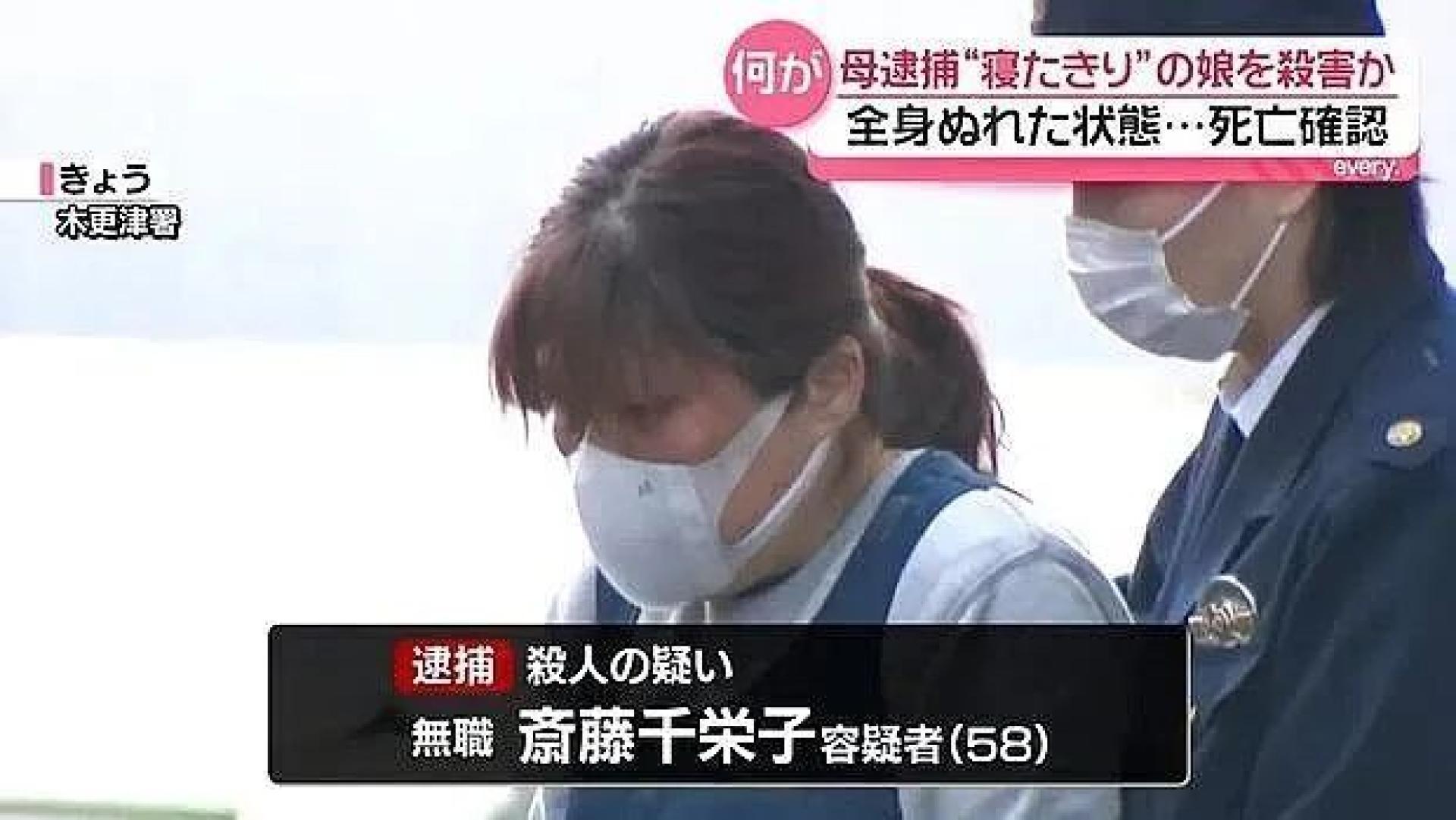
On the morning of March 8th, police in Mobara City, Chiba Prefecture, Japan, received a report from residents stating a murder had occurred at a neighbor’s house. 58-year-old mother Chieko Saito killed her 29-year-old daughter Kana Saito.
The case itself was not complicated—it's a type commonly seen in Japan known as “caregiver fatigue killings.” The daughter, Kana Saito, suffered from severe physical disabilities, had been bedridden for years, and was unable to take care of herself. Her mother, Chieko Saito, cared for her year after year, day after day. In the end, she killed her with her own hands.
The Saito mother and daughter were from a single-parent household. According to people familiar with the matter, Kana was born with severe disabilities, and the husband chose to abandon his wife and daughter. Chieko assumed full responsibility for caring for her daughter, a task that lasted 29 years.
The mother and daughter relied on each other in this old house. No one truly knows how they managed to get through each of those 29 years.
In the early hours of March 8th, the exhausted mother made a decision: she would take her daughter’s life and die together with her.
She emptied out a plastic storage bin used for clothes, filled it with warm water, and brought it to Kana’s bedside. Then, she pressed Kana’s face into the warm water until she drowned.
Even at this point, this mother couldn’t bear to use ice-cold tap water but instead used warm water—trying to make her daughter’s last moments as painless as possible.
But Chieko did not have the courage to commit suicide herself. In a daze, she went to the neighbor and told them what had just happened. The neighbor called the police for her.
Facing police investigation, Chieko admitted to the murder. What followed was endless self-blame: I had planned to kill myself too—I didn’t want Kana to die alone.
This murder case has shocked Japan, not only because of the mother’s helplessness but also because it touches on a number of major social issues.