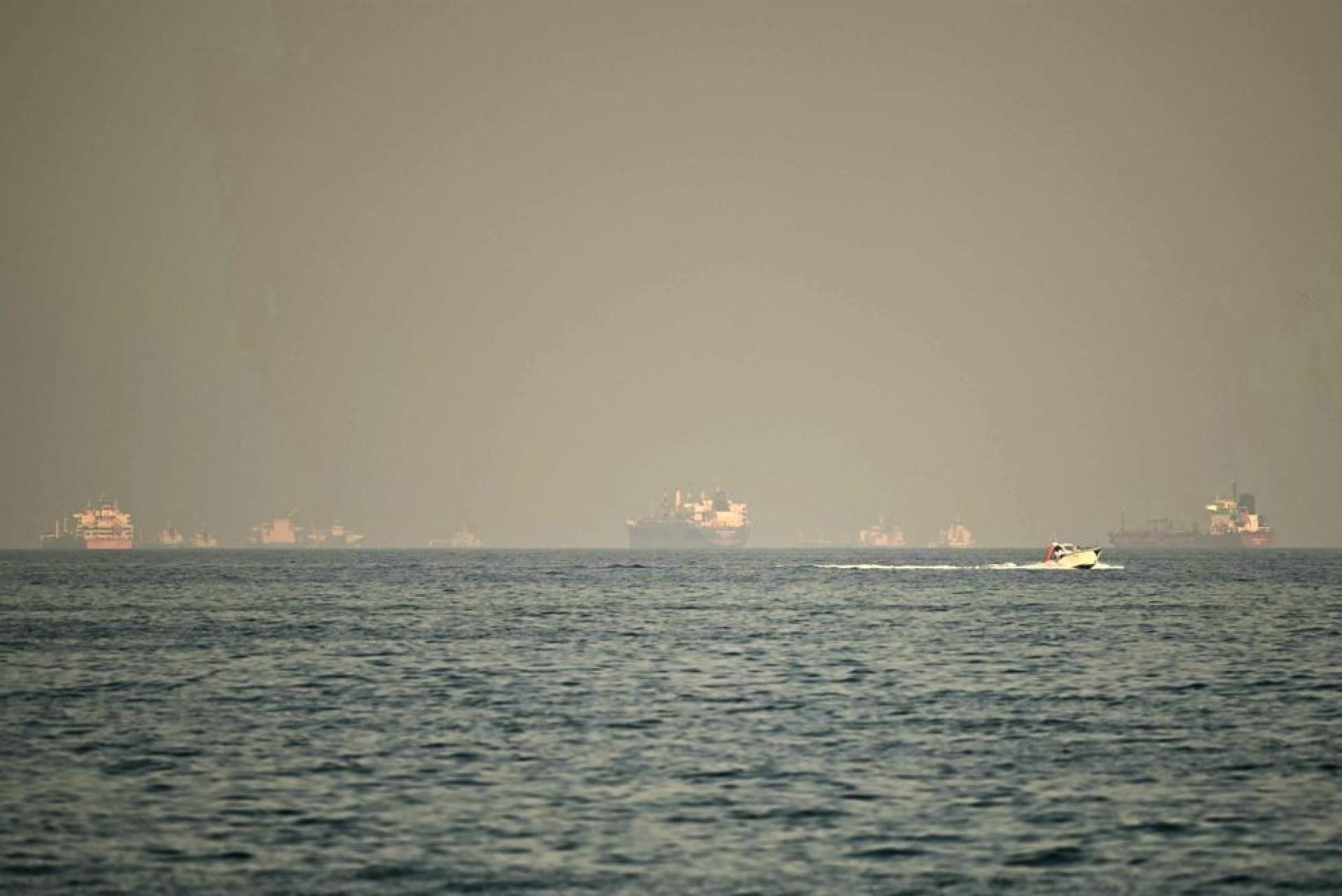
Data from the ship tracking website MarineTraffic shows that around 20 vessels began heading toward the Strait of Hormuz on the evening of the 17th, but soon stopped, with some even turning back.
This marks the largest group of ships attempting to pass through the strait since Iran imposed the blockade.
As of 21:00 GMT, most vessels had already turned back, though several newly arrived ships, mainly oil tankers, were still heading toward the Strait of Hormuz.
Shipping companies cautiously welcomed Iran’s announcement about reopening the Strait of Hormuz, but indicated that further clarification is needed before the resumption of passage, especially regarding safety risks such as the possible presence of mines.
International Maritime Organization Secretary-General Dominguez said: "We are currently verifying recent announcements regarding the reopening of the Strait of Hormuz to confirm whether the principles of freedom of navigation and safe passage for all merchant vessels are being met."
The Norwegian Shipowners’ Association pointed out that key issues remain unsolved, including the presence of mines, Iran’s conditions, and how these measures would actually be implemented in practice.
The association’s CEO Harald said: "If this marks a step toward reopening, it would be a welcome development."
The Baltic and International Maritime Council (BIMCO) cautioned its member states not to rush back to the route, citing uncertainty over the threat of mines.