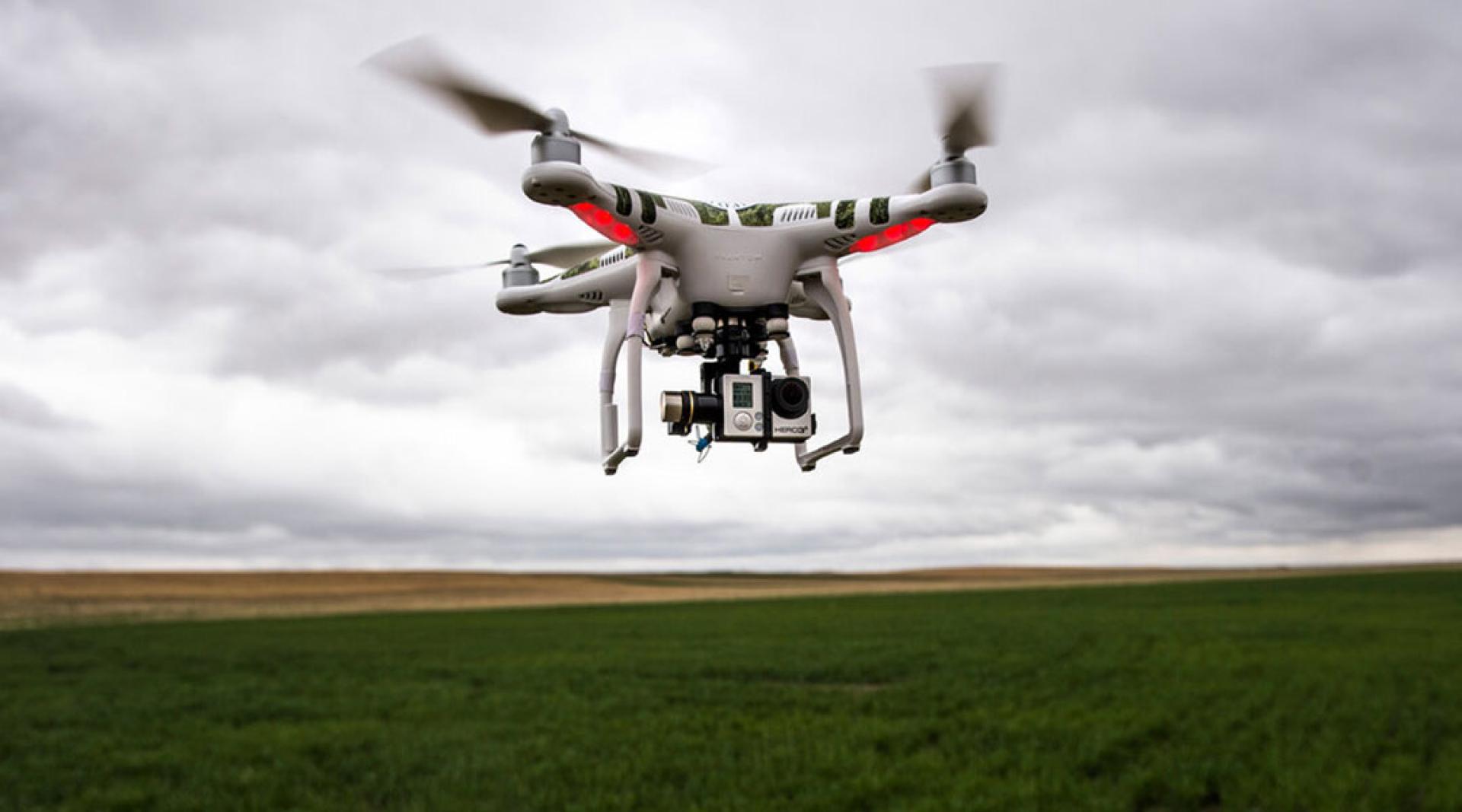
Just as US President Trump plans to meet Chinese President Xi Jinping in April this year, the US Department of Commerce stated on the 9th that, following previous suppressive measures against passenger cars and trucks, it has withdrawn the plan to restrict imports of Chinese drones. This move comes as Washington freezes some military actions targeting China. A government official familiar with the matter indicated that the decision to lift the drone ban seems to be related to this.
According to foreign media reports, out of concerns for US national security, the Federal Communications Commission (FCC) will ban the import of new foreign-manufactured drones and key components—including DJI and Autel Robotics—from December 2025. The FCC stated this week that certain drones not produced in China will be excluded from these restrictions.
In September 2025, the US Department of Commerce announced that it would restrict or even ban the import of Chinese drones to address issues in the information and communications technology supply chain. According to a government website update on the 9th, the department submitted the proposal for White House review on October 8, 2025, but subsequently withdrew it on the 8th.
According to publicly available records, up until December 19, 2025, the White House and the Department of Commerce held multiple meetings regarding the drone proposal, and on December 11, 2025, met with representatives from DJI. DJI told US officials that imposing a comprehensive restriction on Chinese-manufactured drones was “unnecessary and would cause extremely serious damage to US stakeholders.”
Chinese drones dominate the US commercial drone market, with more than half coming from DJI.
On December 23, 2025, a spokesperson from China's Ministry of Commerce responded to the US's addition of drone entities to the “Unreliable Entity List,” saying that in recent years, the US has disregarded the normal commercial activities and trade between Chinese and US companies, ignored the strong calls from the industries of both countries, persistently generalized the concept of national security, and used state power to suppress foreign companies, including Chinese firms. This is a typical act of market distortion and unilateral bullying. The Chinese side urges the US to stop its erroneous practices and immediately revoke the relevant measures.