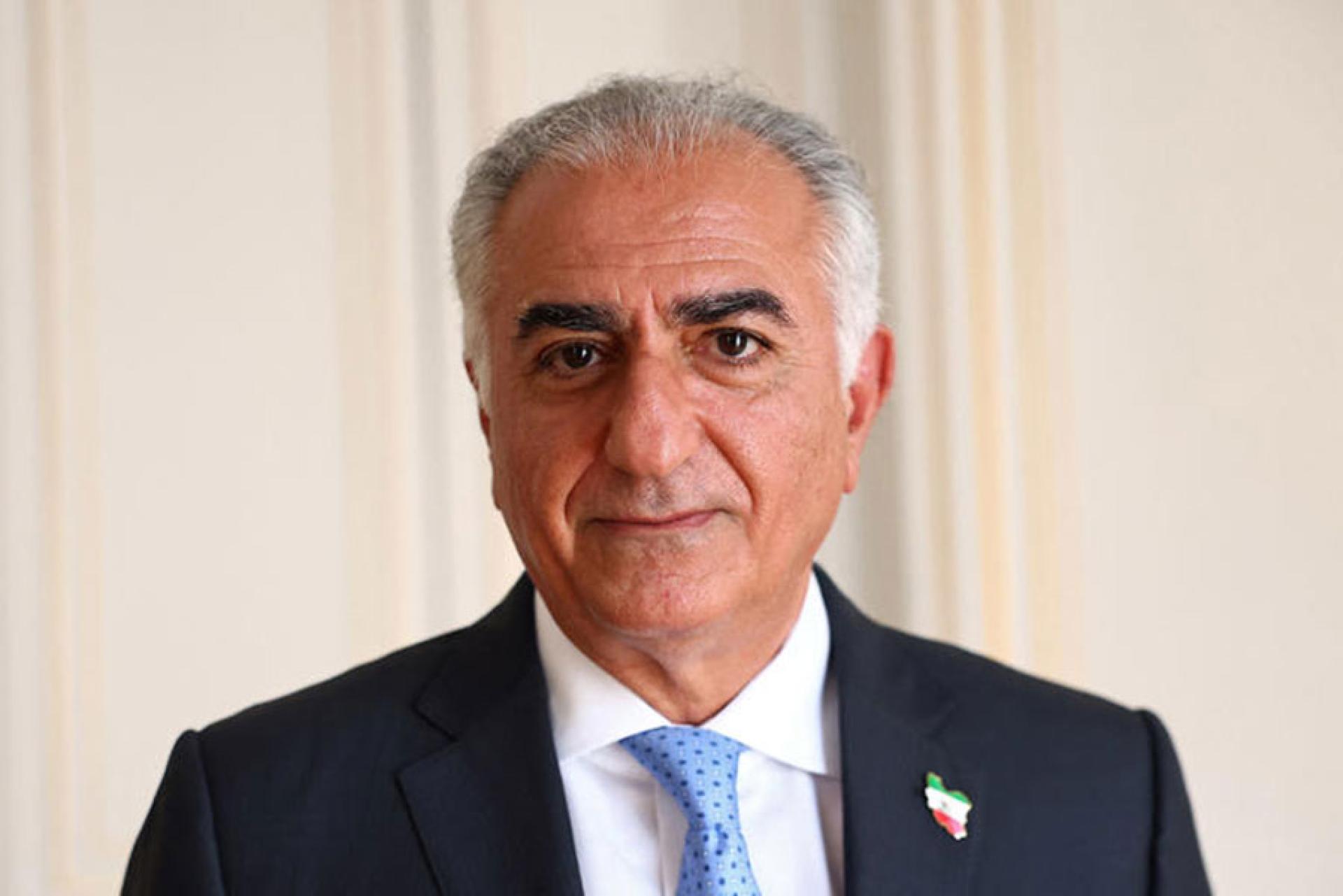
As protests triggered by Iran’s worsening economy escalate, exiled former crown prince Reza Pahlavi has called on local citizens to take to the streets again on the night of the 9th. Foreign media analyses suggest that his influence will be put to the test, while Iran’s Supreme Leader Khamenei faces a grave predicament. However, Trump has refused to support the restoration of the Pahlavi monarchy.
According to U.S. media analysis, this wave of protests in Iran also represents the first real test of whether local citizens will be influenced by key opposition figures abroad such as Reza (son of the late former king Mohammad Reza Pahlavi). Calls supporting the Iranian monarchy have emerged during this protest wave; in the past, such acts could have been punishable by death, but now they highlight public outrage over Iran’s economic plight.
Reza had earlier called on the Iranian people to take to the streets on Thursday night, and has again urged people to protest at 8pm on the evening of the 9th. He also called on European leaders to join the ranks of U.S. President Trump and commit to “holding the Iranian regime accountable.”
David Degraw, a senior fellow at the Washington Institute for Near East Policy, stated: “What’s changing the dynamics of the protests is the former crown prince Reza’s appeal.” “Judging from social media posts, it’s clear that Iranians have already taken action and are seriously responding to the call to protest in order to overthrow this Islamic Republic.”
However, Trump has refused to express support for Reza Pahlavi, the son of the Shah who was overthrown in the 1979 Islamic Revolution, returning to Iran.
Trump said, “I think everyone should be brought to the stage and then we’ll see who rises to the top in the end.” He also said that, for him, publicly supporting Reza “may not be appropriate.”