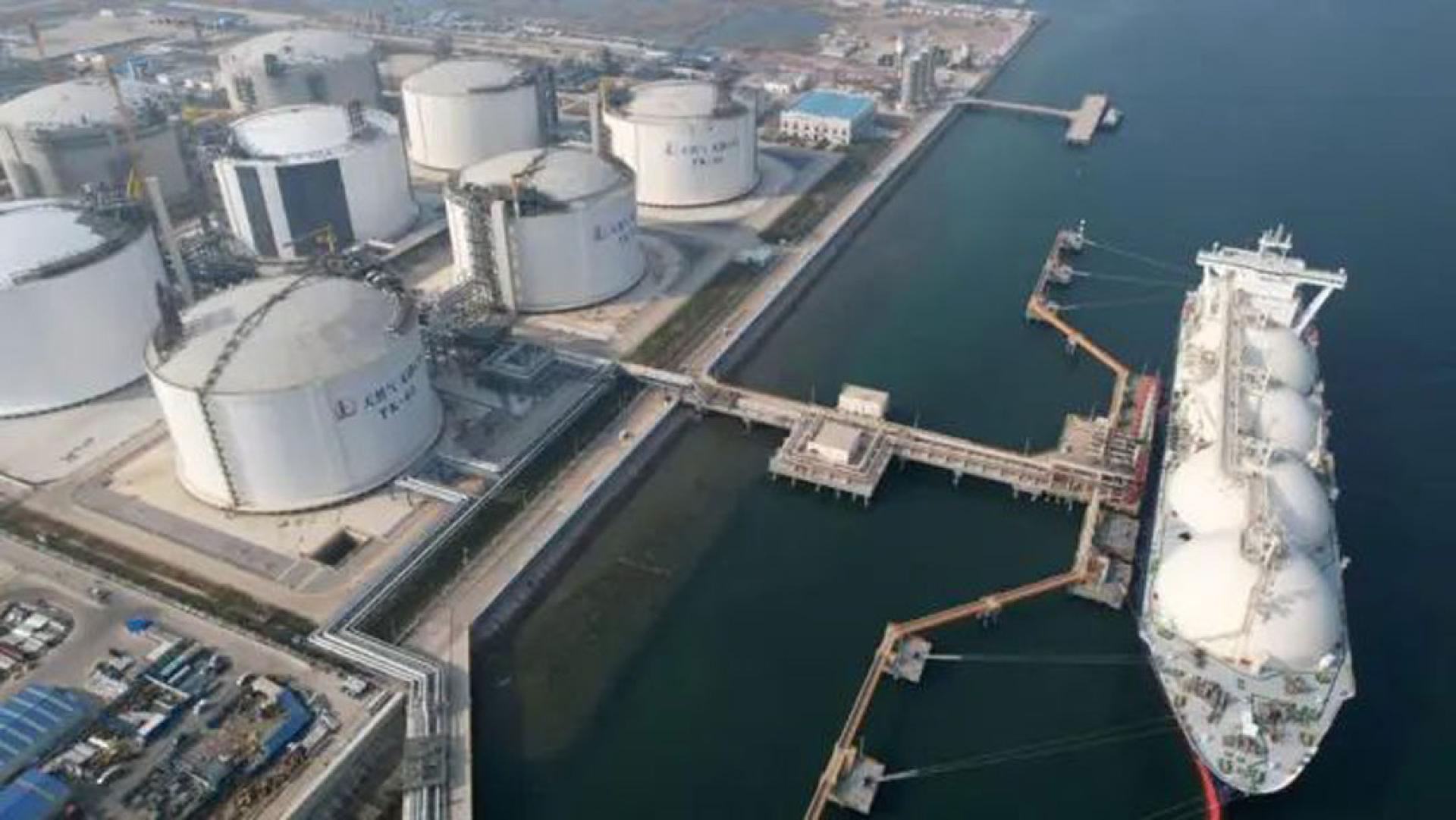
The International Energy Agency stated on the 24th that, due to supply chain disruptions and infrastructure damage caused by conflicts among the US, Israel, and Iran, the global liquefied natural gas (LNG) supply tightness may persist until the end of 2027.
The International Energy Agency said in its latest report: "Short-term supply losses combined with slower capacity growth could result in a cumulative LNG supply loss of about 120 billion cubic meters between 2026 and 2030."
The report pointed out that the US-Israel-Iran conflict has caused a loss of nearly 20% of LNG supply, and new investments aiming to increase production may also be forced to be postponed.
The report said: "Although new LNG projects in other regions are expected to gradually fill these gaps over time, the market's supply tightness will still run through the entire 2026 and 2027."
Qatari Minister of Energy Saad Al Kaabi stated in March that, affected by the ongoing conflict, 17% of Qatar's LNG export capacity has been impacted, with related repair work leading to an annual loss of 12.8 million tonnes of LNG output, which is expected to last 3 to 5 years.
Economists warn that if natural gas prices remain high for a prolonged period, it could trigger widespread global inflation; if consumer spending then contracts as a result, it could drag down global economic growth.