On the 24th, the World Meteorological Organization (WMO) released a news bulletin stating that changes in sea surface temperatures in the equatorial Pacific indicate the El Niño phenomenon could begin as early as mid-2026, which will impact global temperatures and rainfall patterns.
The bulletin points out that WMO's latest monthly global seasonal climate update shows significant changes in the climate of the equatorial Pacific, with sea surface temperatures rising rapidly, suggesting that the El Niño phenomenon may occur as early as May to July 2026. Forecasts indicate that, in the next three months, land surface temperatures globally will generally be above normal levels, while rainfall patterns will show regional differences.
Okiya, head of WMO’s climate prediction division, said in the bulletin: “After experiencing a neutral state earlier this year, all climate models are now in strong agreement, and there is sufficient confidence to believe that El Niño is imminent and will further intensify in the coming months.”
The bulletin states that El Niño is characterized by rising sea surface temperatures in the central and eastern equatorial Pacific. It usually occurs every 2 to 7 years and lasts about 9 to 12 months.
The El Niño phenomenon affects temperatures and rainfall patterns in different regions around the world, and it generally produces a warming effect on the global climate. Due to the combined effect of a strong El Niño from 2023 to 2024 and human-caused greenhouse gas emissions, 2024 has become the hottest year on record.
Currently, there is no evidence that climate change is increasing the frequency or intensity of El Niño events, but ocean and atmospheric warming will intensify the impact of extreme weather events such as heatwaves and heavy rainfall.
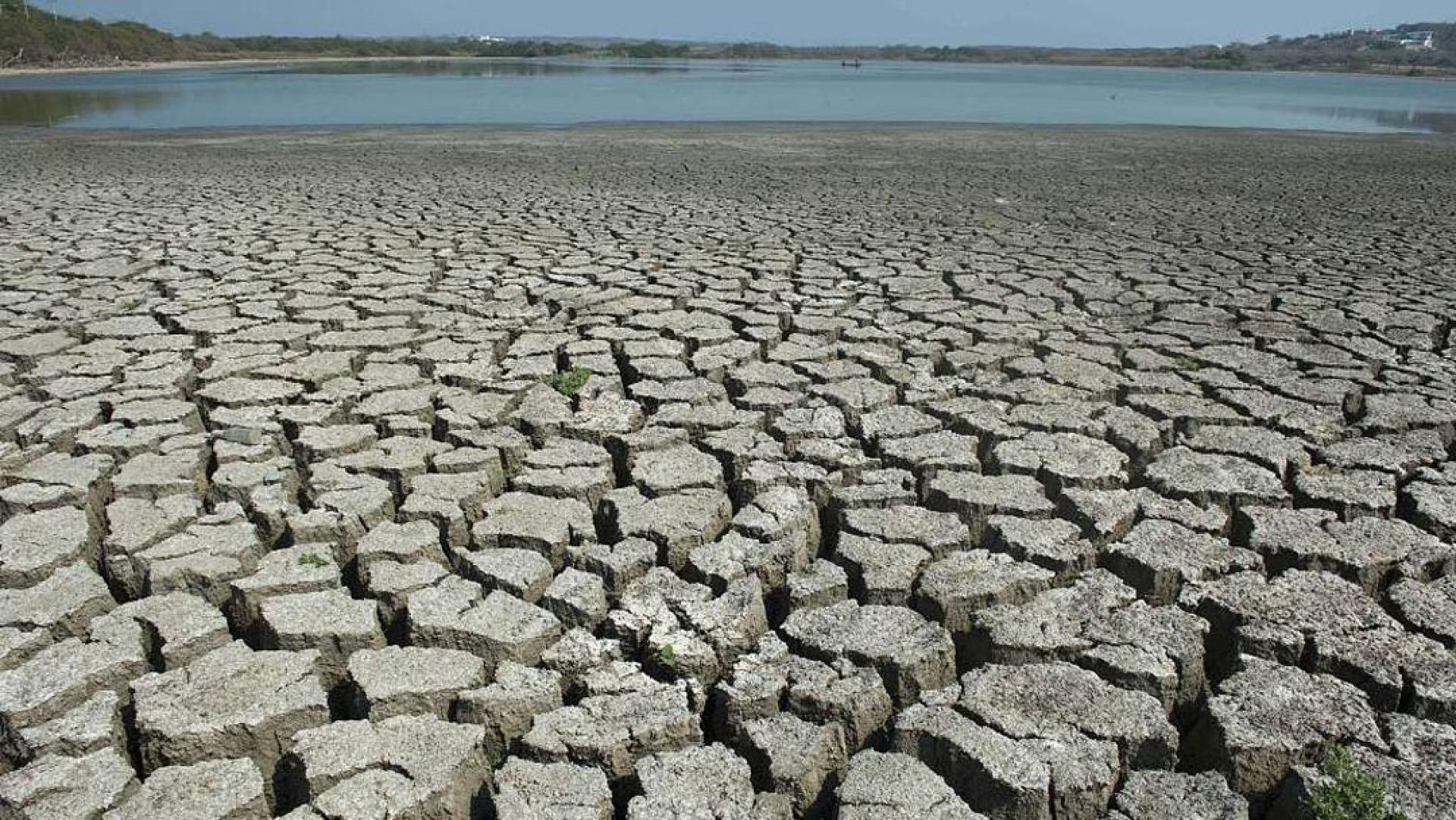
It is noted that each El Niño is unique in its evolution, spatial patterns, and impacts. However, it is commonly associated with the following: increased rainfall in southern South America, southern United States, the Horn of Africa, and some areas of Central Asia, while Australia, Indonesia, and parts of South Asia often experience drought; during the Northern Hemisphere summer, warms sea temperatures caused by El Niño can intensify hurricanes in the central and eastern Pacific, while suppressing hurricane formation in the Atlantic basin.