KUCHING: Nearly 80 per cent of teachers and Sarawak Teachers’ Union (STU) members surveyed supported the reinstatement of the Ujian Pencapaian Sekolah Rendah (UPSR) and Pentaksiran Tingkatan Tiga (PT3) assessment tests.
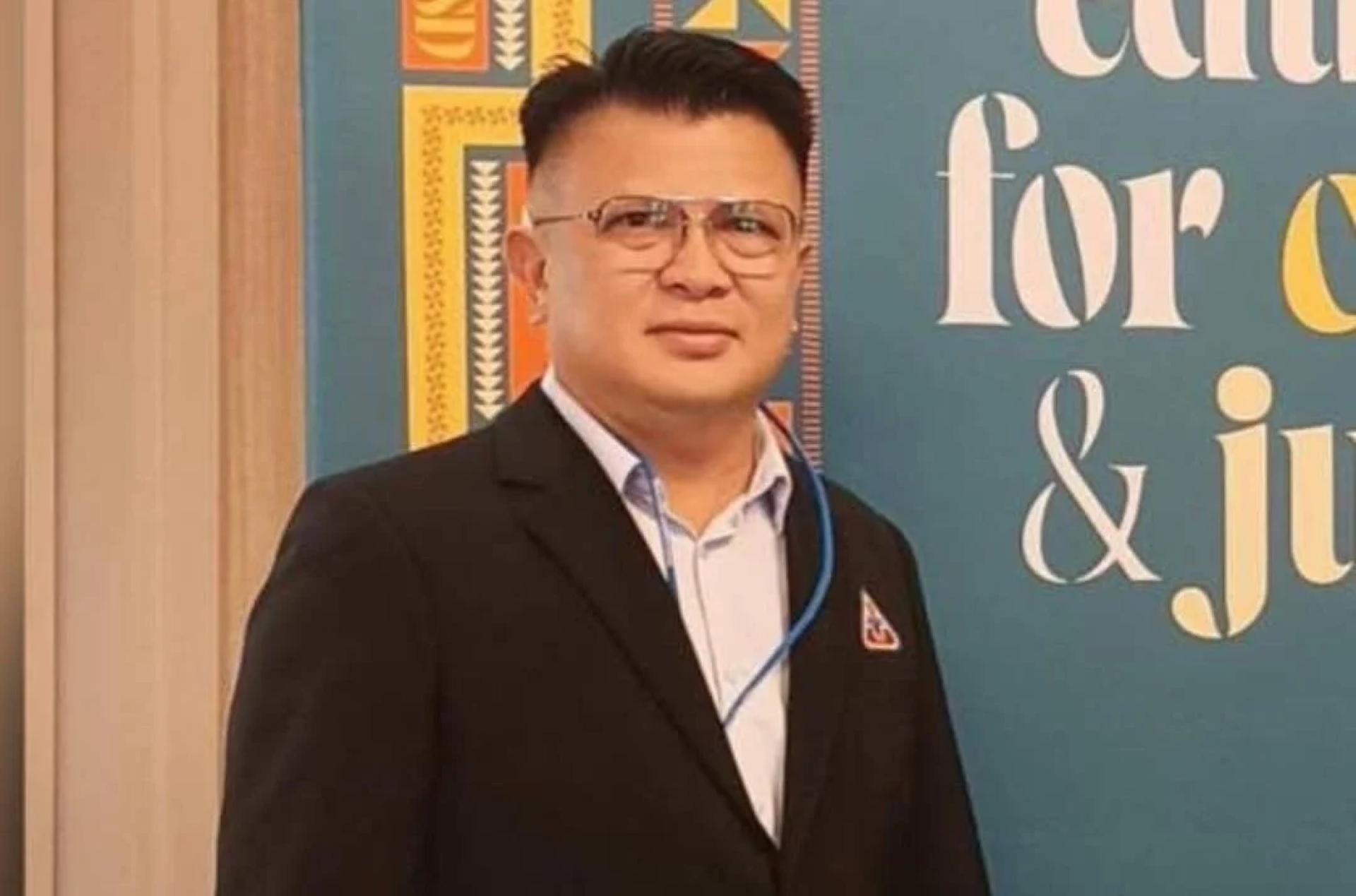
STU president Kullin Djayang said the survey, conducted in October 2024, involved 2,060 respondents drawn from teachers and STU members, with 1,643 respondents, or 79.8 per cent, expressing support for the return of the public examinations.
Only 20.2 per cent disagreed.
He said the findings showed that examinations remained relevant to educators and continued to play an important role in students’ academic development.
“The reintroduction of examinations into the national education system is neither unusual nor inappropriate.
“The majority of teachers in schools have long been waiting for the government to bring back examinations, as they have a positive impact on students’ development.
“The Education Ministry (MoE) should take serious consideration of the views and recommendations of teachers, who are the key implementers of national education policies.
“All teachers’ unions and education staff unions are ready to engage in discussions to formulate a more robust approach,” he said in a statement.
Kullin said examination results served as a clear indicator to help schools place students into suitable classes and academic streams, particularly during transitions to Form One and Form Four.
He added that a certain level of examination pressure helped students stay focused and disciplined in the teaching and learning process, while encouraging greater commitment to their studies.
“We should not focus only on negative experiences from the past, such as comparisons between schools or students that created pressure.
“What is more important is the overall impact on the quality of students who complete their schooling,” he stressed.
Kullin said issues associated with examination culture could be addressed if the MoE, state education departments, district education offices and schools took appropriate measures, noting that the government had access to educational experts and psychologists to guide implementation.
While supporting the reinstatement of the examinations, he said STU did not dismiss the importance of the current school-based assessment system, which aimed to measure students more holistically.
“Examinations can also assess students holistically if the assessment methods and measurement standards are aligned with students’ abilities, interests and learning strengths,” he said.
However, Kullin stressed that teachers must be given more time to focus on teaching and learning if UPSR and PT3 were reinstated.
“Teachers should spend more time with students in the classroom, not be burdened with excessive administrative work,” he said, adding that non-essential activities and extensive online clerical tasks should be reduced.
For the record, UPSR was abolished in 2021, followed by PT3 in 2022, with both replaced by school-based assessments.
On Friday, Education Minister Fadhlina Sidek said the ministry had activated the National Education Advisory Council to study the possible revival of the two public examinations, with its findings to be presented to the Cabinet.
Meanwhile, Education, Innovation and Talent Development Deputy Minister Dr Annuar Rapaee said the UPSR and PT3 assessment tests should be urgently reinstated, citing positive outcomes from Sarawak’s standardised assessment under the Dual Language Programme.
He said improvements had been observed in students’ performance, parental involvement and school accountability following the introduction of Sarawak’s assessment system, adding that the results demonstrated the continued relevance of public examinations.
Only 20.2 per cent disagreed.
He said the findings showed that examinations remained relevant to educators and continued to play an important role in students’ academic development.
“The reintroduction of examinations into the national education system is neither unusual nor inappropriate.
“The majority of teachers in schools have long been waiting for the government to bring back examinations, as they have a positive impact on students’ development.
“The Education Ministry (MoE) should take serious consideration of the views and recommendations of teachers, who are the key implementers of national education policies.
“All teachers’ unions and education staff unions are ready to engage in discussions to formulate a more robust approach,” he said in a statement.
Kullin said examination results served as a clear indicator to help schools place students into suitable classes and academic streams, particularly during transitions to Form One and Form Four.
He added that a certain level of examination pressure helped students stay focused and disciplined in the teaching and learning process, while encouraging greater commitment to their studies.
“We should not focus only on negative experiences from the past, such as comparisons between schools or students that created pressure.
“What is more important is the overall impact on the quality of students who complete their schooling,” he stressed.
Kullin said issues associated with examination culture could be addressed if the MoE, state education departments, district education offices and schools took appropriate measures, noting that the government had access to educational experts and psychologists to guide implementation.
While supporting the reinstatement of the examinations, he said STU did not dismiss the importance of the current school-based assessment system, which aimed to measure students more holistically.
“Examinations can also assess students holistically if the assessment methods and measurement standards are aligned with students’ abilities, interests and learning strengths,” he said.
However, Kullin stressed that teachers must be given more time to focus on teaching and learning if UPSR and PT3 were reinstated.
“Teachers should spend more time with students in the classroom, not be burdened with excessive administrative work,” he said, adding that non-essential activities and extensive online clerical tasks should be reduced.
For the record, UPSR was abolished in 2021, followed by PT3 in 2022, with both replaced by school-based assessments.
On Friday, Education Minister Fadhlina Sidek said the ministry had activated the National Education Advisory Council to study the possible revival of the two public examinations, with its findings to be presented to the Cabinet.
Meanwhile, Education, Innovation and Talent Development Deputy Minister Dr Annuar Rapaee said the UPSR and PT3 assessment tests should be urgently reinstated, citing positive outcomes from Sarawak’s standardised assessment under the Dual Language Programme.
He said improvements had been observed in students’ performance, parental involvement and school accountability following the introduction of Sarawak’s assessment system, adding that the results demonstrated the continued relevance of public examinations.