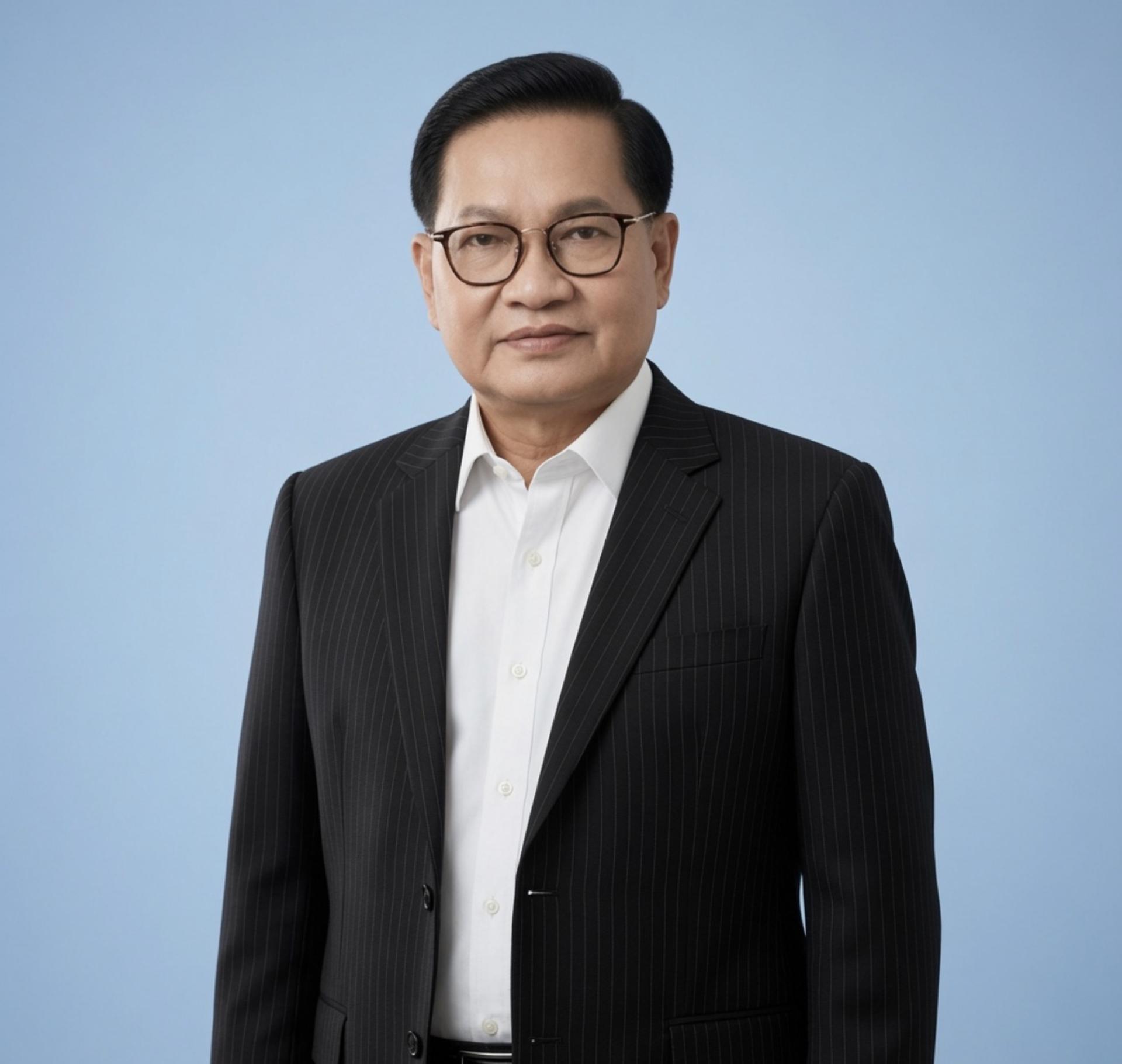
(Sungai Siput, 28th) Dr. Dato’ Ng Peck Seng, President of the Sungkai Chinese Chamber of Commerce and Chairman of the Sungai Siput Chinese General Chamber of Commerce, believes that the cooperation between Barisan Nasional (BN) and Perikatan Nasional (PN) in the Negeri Sembilan state election can be regarded as a “test the waters” move by both parties for future political arrangements. By observing the election results, they can gauge the public’s acceptance of this collaborative model. Therefore, voters must carefully consider the impact of each vote from the perspective of the country’s long-term development.
Ng Peck Seng revealed that he himself has many relatives and friends living in Negeri Sembilan, and has thus been closely following the local election developments and social atmosphere. Through exchanges with local friends and family, he deeply feels that many voters are highly concerned about the direction of the current political situation, and worry about potential changes in the country’s future political landscape. This further strengthens his stance in urging voters to seriously consider the importance of every vote cast.
He said that PAS President Tan Sri Hadi Awang recently described the cooperation between BN and PN as “an alliance that will never break apart”, emphasizing that their partnership in this state election is not just political theater, but a genuine effort to foster cooperation between the two coalitions.
"Such remarks indicate that PN, especially PAS, is actively pushing for closer political cooperation and paving the way for a larger-scale political arrangement in the future."
Ng Peck Seng pointed out that based on Malaysia’s recent political developments, PAS has always had clear and long-term political ambitions. Their aspirations are not limited to governing individual states, but also to eventually rule at the federal level and steer the country’s future direction.
He said that PAS has long stressed the importance of Islamic principles as the cornerstone of national governance, and has repeatedly reaffirmed in its party constitution and at various general assemblies its political philosophy of driving national development based on Islamic teachings and Syariah principles.
However, he noted that for this very reason, many non-Muslim communities and advocates of secular democracy have expressed concern about this political direction. They worry that further promotion of broader religious laws or regulations could have a profound impact on Malaysia’s longstanding system of multi-ethnic, multi-religious, and democratic traditions.
"Malaysia is a country composed of Malays, Chinese, Indians, and various ethnic groups from East Malaysia, and is a society rich in religious and cultural diversity. The country's future development must be built on inclusiveness, respect, and mutual understanding, rather than division."
He emphasized that any political alliance wishing to gain the support of all Malaysians should clearly articulate its future governing philosophy and direction, and assure the public that, regardless of religious, ethnic, or cultural background, the rights of all citizens will be equally protected.
Ng Peck Seng believes that although the Negeri Sembilan election is a state-level contest, its political significance far exceeds that of a single area.
"This does not only concern the ownership of the state government, but may also serve as an important indicator of future cooperation models between BN and PN, which in turn may influence the direction of Malaysia’s future political development."
He said that political alliances should not be formed solely for the purpose of winning elections, but should address the issues that people truly care about, including economic development, cost of living, education, healthcare, job opportunities, investment climate, and the country's future competitiveness.
"People are looking for a government that can solve problems, improve livelihoods, and drive national progress—not one that continually exploits ethnic or religious issues to divide society and distract from vital livelihood concerns."
Ng Peck Seng stated that, in fact, Sarawak Premier and President of Parti Pesaka Bumiputera Bersatu (PBB), Tan Sri Abang Johari, also recently pointed out publicly that in the new digital age, race- and religion-based politics are no longer suitable for current times. He stressed that national leadership should be founded on knowledge, capability, and fair treatment for all, not on race or religion as a tool for political mobilization.
He said that Abang Johari emphasized that what most people truly hope to see is the country's continued progress, economic growth, and better living standards—not endless ethnic politics.
"In today’s digital age, what truly matters are wisdom, knowledge, and capability—not race or religion."
Ng Peck Seng expressed strong agreement with Abang Johari’s views, believing they truly reflect people’s expectations for politics in a new era.
"What our nation needs for the future is a political environment that values effective governance, respects a pluralistic society, and drives economic development, not one where ethnic and religious issues are perpetually used as tools in political struggles."
He emphasized that in a democracy, every voter has the right to choose based on their own values, but at the same time, must also carefully consider the long-term impact that different political philosophies and alliances may have on the country's future.
Therefore, he reiterated that this Negeri Sembilan state election places important responsibility on non-Muslim voters, especially Chinese and Indian communities, who should more carefully consider their sacred vote, because each ballot could impact the nation’s future direction.
He said voters should not focus only on short-term political interests, but should make a comprehensive, rational, and responsible judgment from the height of the country’s long-term stability, multi-ethnic coexistence, economic development, and the next generation’s future.
"Political choice must be founded on rational thinking. Voters should make informed and wise decisions based on each political party’s policy philosophy, governing capability, and whether they truly uphold the core values of Malaysia’s pluralistic society."
Finally, Ng Peck Seng urged all Negeri Sembilan voters to cherish the rights that democracy bestows, to participate in voting with a peaceful, rational, and responsible attitude, to jointly decide the country's direction, and to ensure Malaysia continues steadily on a path of unity, diversity, inclusivity, prosperity, and progress.
Ng Peck Seng revealed that he himself has many relatives and friends living in Negeri Sembilan, and has thus been closely following the local election developments and social atmosphere. Through exchanges with local friends and family, he deeply feels that many voters are highly concerned about the direction of the current political situation, and worry about potential changes in the country’s future political landscape. This further strengthens his stance in urging voters to seriously consider the importance of every vote cast.
He said that PAS President Tan Sri Hadi Awang recently described the cooperation between BN and PN as “an alliance that will never break apart”, emphasizing that their partnership in this state election is not just political theater, but a genuine effort to foster cooperation between the two coalitions.
"Such remarks indicate that PN, especially PAS, is actively pushing for closer political cooperation and paving the way for a larger-scale political arrangement in the future."
Ng Peck Seng pointed out that based on Malaysia’s recent political developments, PAS has always had clear and long-term political ambitions. Their aspirations are not limited to governing individual states, but also to eventually rule at the federal level and steer the country’s future direction.
He said that PAS has long stressed the importance of Islamic principles as the cornerstone of national governance, and has repeatedly reaffirmed in its party constitution and at various general assemblies its political philosophy of driving national development based on Islamic teachings and Syariah principles.
However, he noted that for this very reason, many non-Muslim communities and advocates of secular democracy have expressed concern about this political direction. They worry that further promotion of broader religious laws or regulations could have a profound impact on Malaysia’s longstanding system of multi-ethnic, multi-religious, and democratic traditions.
"Malaysia is a country composed of Malays, Chinese, Indians, and various ethnic groups from East Malaysia, and is a society rich in religious and cultural diversity. The country's future development must be built on inclusiveness, respect, and mutual understanding, rather than division."
He emphasized that any political alliance wishing to gain the support of all Malaysians should clearly articulate its future governing philosophy and direction, and assure the public that, regardless of religious, ethnic, or cultural background, the rights of all citizens will be equally protected.
Ng Peck Seng believes that although the Negeri Sembilan election is a state-level contest, its political significance far exceeds that of a single area.
"This does not only concern the ownership of the state government, but may also serve as an important indicator of future cooperation models between BN and PN, which in turn may influence the direction of Malaysia’s future political development."
He said that political alliances should not be formed solely for the purpose of winning elections, but should address the issues that people truly care about, including economic development, cost of living, education, healthcare, job opportunities, investment climate, and the country's future competitiveness.
"People are looking for a government that can solve problems, improve livelihoods, and drive national progress—not one that continually exploits ethnic or religious issues to divide society and distract from vital livelihood concerns."
Ng Peck Seng stated that, in fact, Sarawak Premier and President of Parti Pesaka Bumiputera Bersatu (PBB), Tan Sri Abang Johari, also recently pointed out publicly that in the new digital age, race- and religion-based politics are no longer suitable for current times. He stressed that national leadership should be founded on knowledge, capability, and fair treatment for all, not on race or religion as a tool for political mobilization.
He said that Abang Johari emphasized that what most people truly hope to see is the country's continued progress, economic growth, and better living standards—not endless ethnic politics.
"In today’s digital age, what truly matters are wisdom, knowledge, and capability—not race or religion."
Ng Peck Seng expressed strong agreement with Abang Johari’s views, believing they truly reflect people’s expectations for politics in a new era.
"What our nation needs for the future is a political environment that values effective governance, respects a pluralistic society, and drives economic development, not one where ethnic and religious issues are perpetually used as tools in political struggles."
He emphasized that in a democracy, every voter has the right to choose based on their own values, but at the same time, must also carefully consider the long-term impact that different political philosophies and alliances may have on the country's future.
Therefore, he reiterated that this Negeri Sembilan state election places important responsibility on non-Muslim voters, especially Chinese and Indian communities, who should more carefully consider their sacred vote, because each ballot could impact the nation’s future direction.
He said voters should not focus only on short-term political interests, but should make a comprehensive, rational, and responsible judgment from the height of the country’s long-term stability, multi-ethnic coexistence, economic development, and the next generation’s future.
"Political choice must be founded on rational thinking. Voters should make informed and wise decisions based on each political party’s policy philosophy, governing capability, and whether they truly uphold the core values of Malaysia’s pluralistic society."
Finally, Ng Peck Seng urged all Negeri Sembilan voters to cherish the rights that democracy bestows, to participate in voting with a peaceful, rational, and responsible attitude, to jointly decide the country's direction, and to ensure Malaysia continues steadily on a path of unity, diversity, inclusivity, prosperity, and progress.