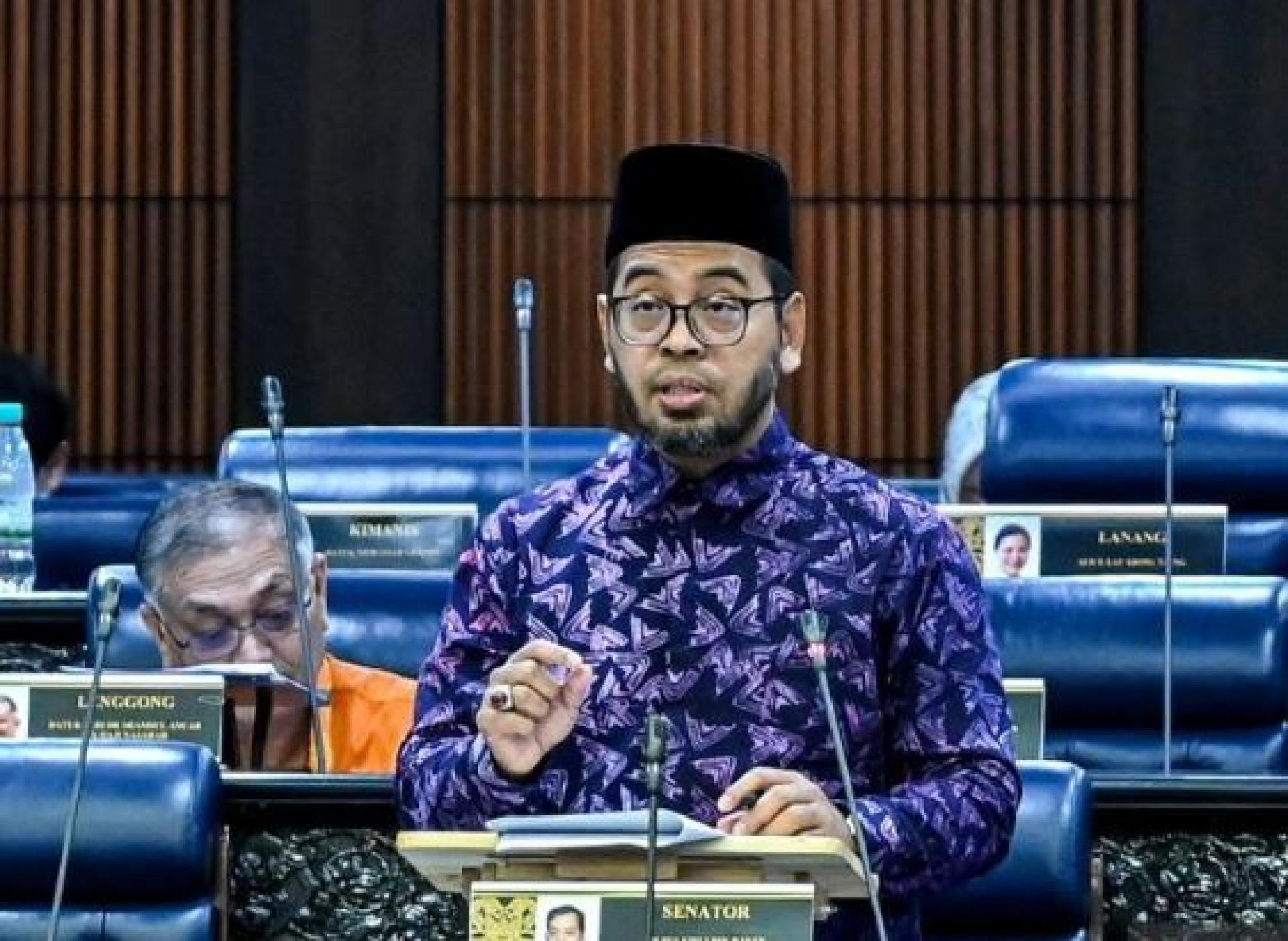
KUALA LUMPUR, July 16 (Bernama) -- The government is adopting a whole-of-government approach to strengthen cooperation among agencies in efforts to contain the spread of deviant teachings, which are increasingly circulating on digital platforms and across borders.
Minister in the Prime Minister’s Department (Religious Affairs), Dr Zulkifli Hasan, said the government, together with the Department of Islamic Development Malaysia (JAKIM) and state Islamic religious authorities, remains vigilant in monitoring and addressing any deviant doctrines that go against the Ahli Sunnah Wal Jamaah school of thought.
He said the enforcement landscape has grown more challenging, with deviant teachings evolving from clandestine face-to-face meetings to digital platforms and messaging apps, while being presented under the guise of personal development programmes, charitable initiatives, alternative therapies and informal religious learning.
"Some groups were using motivational and spiritual narratives, psychological approaches, conspiracy theories and the influence of prominent figures to spread ideas that could mislead the public," he told the Dewan Rakyat during a question-and-answer session today.
He was replying to Sabri Azit's (PN-Jerai) question on the government's approach to curbing the spread of deviant teachings in Malaysia, the number of arrests carried out and interventions aimed at strengthening the beliefs of groups that had moved far away from mainstream teachings.
Zulkifli said the coordinated efforts of multiple agencies, including JAKIM, state Islamic religious departments, police, the Malaysian Communications and Multimedia Commission, the National Security Council, local authorities, the Immigration Department and the National Registration Department, had enabled several enforcement actions.
"The enforcement actions included the detention of 288 Ahmadiyya Qadiani followers in Sabah on May 31 and a raid on a Syiah centre in Petaling Jaya, where 226 foreign nationals were detained," he said.
He said the government was also carrying out a range of intervention efforts, including targeted counselling for affected members and leaders, Syariah court-ordered placement at faith rehabilitation centres, and rehabilitation programmes to strengthen religious understanding under the supervision of Islamic authorities.
Zulkifli said the government had formed the National Steering Committee to Address Threats to Faith as part of efforts to strengthen young people's religious understanding, adding that the committee includes representatives from the Ministry of Education, the Ministry of Higher Education, the Ministry of Home Affairs, JAKIM, and other agencies.
He said the initiatives include programmes organised by Institut Pemantapan dan Perkaderan Akidah Malaysia (IPHAM), the My Insaniah Programme and the Rakan Masjid Programme, carried out in collaboration with the Ministry of Youth and Sports, as well as strengthening the KAFA 2.0 (Quran and Fardu Ain) curriculum to foster stronger identity and religious resilience among youths.
He said the enforcement landscape has grown more challenging, with deviant teachings evolving from clandestine face-to-face meetings to digital platforms and messaging apps, while being presented under the guise of personal development programmes, charitable initiatives, alternative therapies and informal religious learning.
"Some groups were using motivational and spiritual narratives, psychological approaches, conspiracy theories and the influence of prominent figures to spread ideas that could mislead the public," he told the Dewan Rakyat during a question-and-answer session today.
He was replying to Sabri Azit's (PN-Jerai) question on the government's approach to curbing the spread of deviant teachings in Malaysia, the number of arrests carried out and interventions aimed at strengthening the beliefs of groups that had moved far away from mainstream teachings.
Zulkifli said the coordinated efforts of multiple agencies, including JAKIM, state Islamic religious departments, police, the Malaysian Communications and Multimedia Commission, the National Security Council, local authorities, the Immigration Department and the National Registration Department, had enabled several enforcement actions.
"The enforcement actions included the detention of 288 Ahmadiyya Qadiani followers in Sabah on May 31 and a raid on a Syiah centre in Petaling Jaya, where 226 foreign nationals were detained," he said.
He said the government was also carrying out a range of intervention efforts, including targeted counselling for affected members and leaders, Syariah court-ordered placement at faith rehabilitation centres, and rehabilitation programmes to strengthen religious understanding under the supervision of Islamic authorities.
Zulkifli said the government had formed the National Steering Committee to Address Threats to Faith as part of efforts to strengthen young people's religious understanding, adding that the committee includes representatives from the Ministry of Education, the Ministry of Higher Education, the Ministry of Home Affairs, JAKIM, and other agencies.
He said the initiatives include programmes organised by Institut Pemantapan dan Perkaderan Akidah Malaysia (IPHAM), the My Insaniah Programme and the Rakan Masjid Programme, carried out in collaboration with the Ministry of Youth and Sports, as well as strengthening the KAFA 2.0 (Quran and Fardu Ain) curriculum to foster stronger identity and religious resilience among youths.