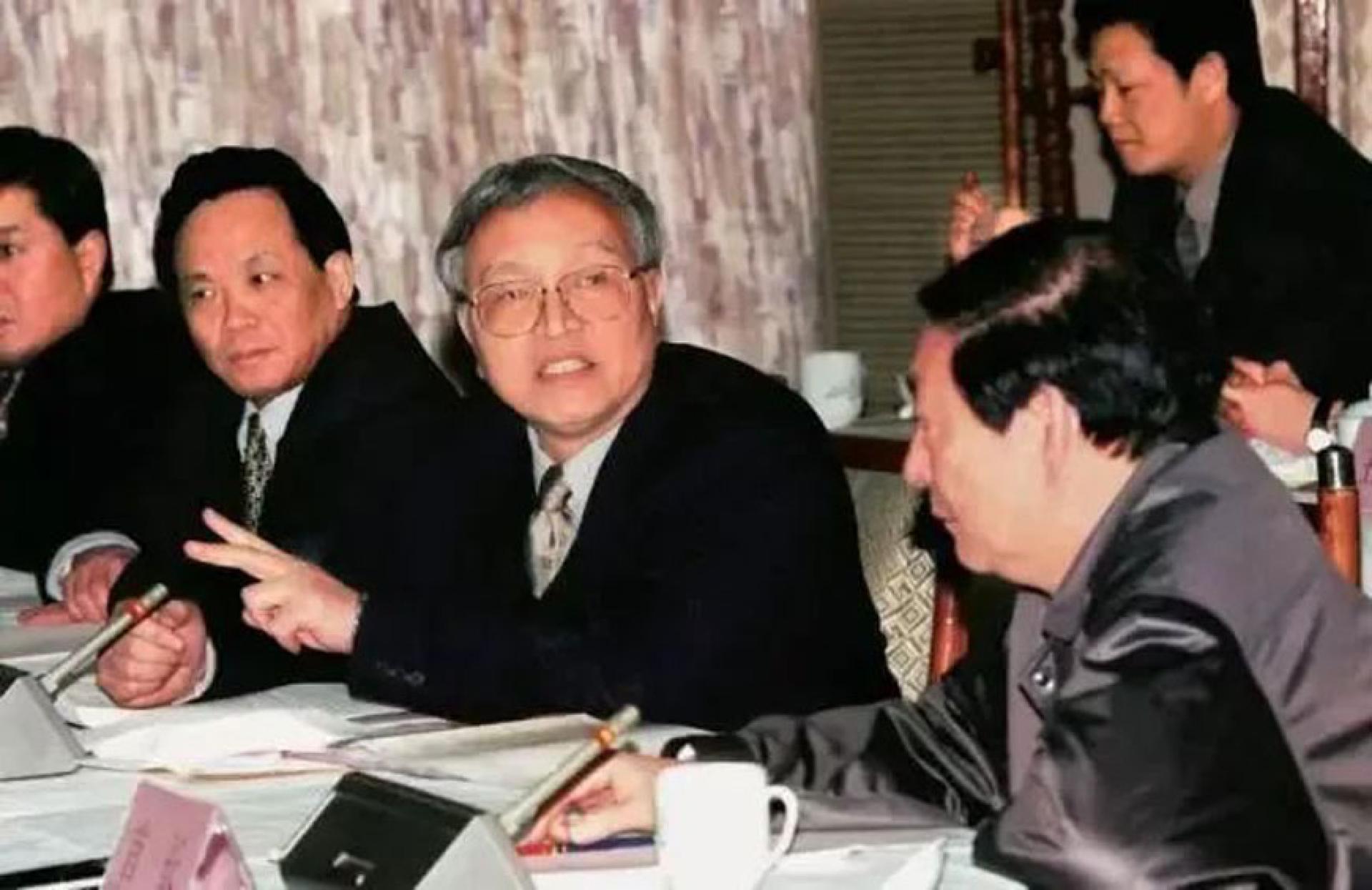
Do you know how long holidays started in China? In fact, this was sparked by a family-style New Year's Eve dinner hosted by Zhu Rongji. The person who proposed the idea of long holidays was named Zhang Guobao.
Zhang Guobao once served as Deputy Director of the National Development and Reform Commission. In his book "Bilu Lanlü—A Record of Decisions and Constructions of Century Projects," there is an article titled "The Whole Story of the Long Holiday Decision," which details the decision-making process behind China's long holidays.
In 1998, severe flooding struck southern China, with the hardest-hit areas being the provinces of Hunan, Hubei, Jiangxi, and Anhui along the middle reaches of the Yangtze River.
During the 1999 Spring Festival, then-Premier Zhu Rongji visited the disaster area in Hubei to comfort and support the victims. Accompanying him were his wife Lao An, then Deputy Secretary-General of the State Council Ma Kai, and then Deputy Secretary-General of the State Planning Commission (which later became the NDRC) Zhang Guobao, among others.
On New Year's Eve, the Hubei Provincial Party Committee and Provincial Government arranged a New Year's Eve dinner for Premier Zhu Rongji. Noticing the relaxed atmosphere, Zhang Guobao boldly raised the issue of instituting long holidays.
Zhang Guobao wrote in his account: “I said to Premier Zhu Rongji, given the current situation, it is probably unrealistic to raise salaries, but perhaps we could increase the number of public holidays. Giving people more rest is also a way to improve welfare.”
At that time, China had only 7 days of statutory holidays: 3 days for Spring Festival, 1 day for Labor Day, 2 days for National Day, and 1 day for New Year's Day.
From the 50th anniversary of the founding of the People's Republic of China in 1999, the whole nation enjoyed the first 7-day-long holiday (3 days for National Day plus adjusted weekends on either side).
During the first National Day long holiday in 1999, the number of domestic tourists reached 28 million. The long holiday system spurred the development of the "holiday economy," radically changing Chinese people's consumption and leisure habits.
Later in 2008, holidays for Tomb-Sweeping Day (Qingming), Dragon Boat Festival (Duanwu), and Mid-Autumn Festival were added, increasing China's public holidays from four to seven: New Year's Day, Spring Festival, Qingming Festival, Labor Day, Dragon Boat Festival, Mid-Autumn Festival, and National Day.